Reviewed · GUIDED
Guided tour of the Monastery of San Isidoro del Campo
San Isidoro del Campo is not a quick photo stop. Its rooms make much more sense when someone explains who founded the monastery, how each space was used, and what happened to the complex during the 19th-century depreciations. This guided visit gives you that missing context in a focused 90 minutes.
I like two things here: the guide is an art historian and official local tourism guide, and the group is limited to 30 people. The main drawback is timing. The tour begins at 12:30 pm, so you need to plan your visit to Santiponce around a fixed midday start.
Key points
- See every interior room included in the visit, with the purpose of each space explained.
- Learn the monastery’s story from Guzman the Good through the 19th century, rather than viewing the building without context.
- Spend 90 minutes with an art historian and official local guide, a useful format for understanding the artistic details.
- Pay about $13.83 per person, a modest price for a guided heritage visit.
- Join a group of up to 30 people, small enough to keep the explanation manageable.
- Meet and finish at the monastery, with mobile ticketing and free cancellation up to 24 hours before the start.
Why San Isidoro del Campo deserves your time
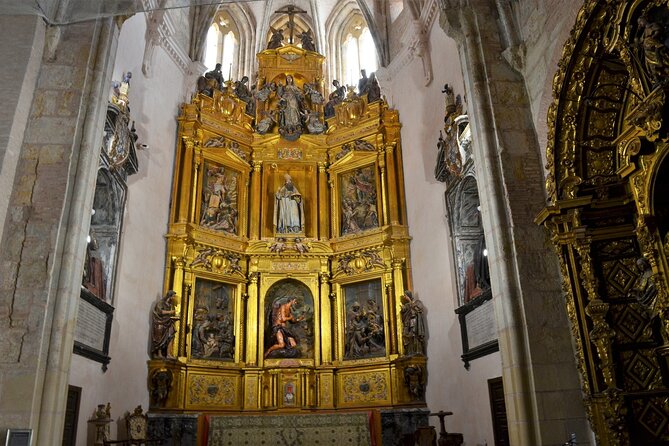
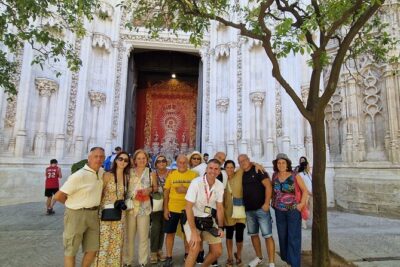
San Isidoro del Campo sits in Santiponce, at Avenida de San Isidoro 18, outside central Seville. The experience is built around the monastery itself, not a long list of stops or added activities. You arrive, meet the guide, and spend the full visit inside the historic complex.
That focused approach suits me. Monasteries can be difficult to read on your own. A chapel, cloister, refectory, or service room may look impressive, but without an explanation, it is easy to miss why the space exists and how it fitted into monastic life. Here, the guide explains the function of each interior room as you move through the building.
The story also has a useful time span. You begin with the monastery’s founder, Guzman the Good, and continue into the 19th century, when the complex was affected by the depreciations. That gives you more than a single snapshot of religious architecture. You see a place shaped by foundation, use, change, and decline.
More Guided in Seville:
- Seville: Cathedral, Giralda, and Royal Alcázar Guided Tour
★ 4.7 · 9,165 reviews - Seville: Cathedral, Giralda & Alcazar Entry With Guided Tour
★ 4.6 · 8,560 reviews - Seville: Alcázar and Cathedral Entry Ticket and Guided Tour
★ 4.6 · 5,056 reviews
The 90-minute route through the interior
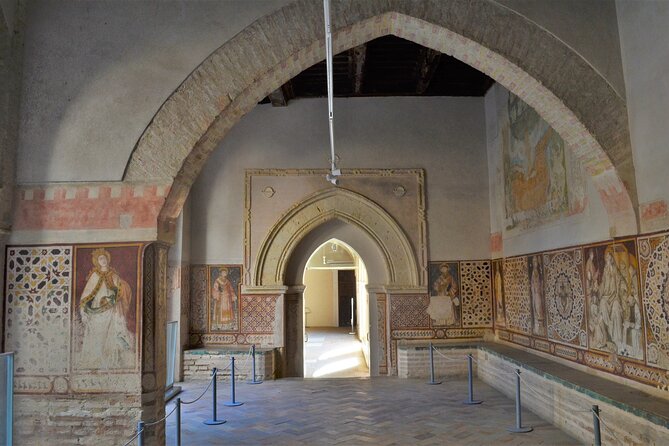
The entire visit takes place at Monasterio de San Isidoro del Campo. There is one main stop, but that does not mean there is little to see. The plan is to visit all the interior rooms included in the monastery and explain the role of each one.
I appreciate this kind of route because it keeps the visit clear. You are not rushed from one attraction to another, and you do not spend time waiting for transport between stops. The guide can build a connected story from room to room.
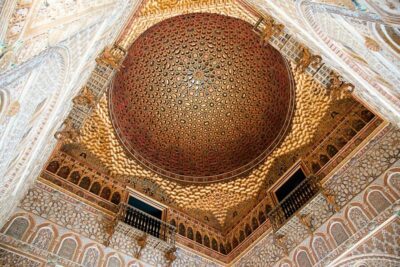
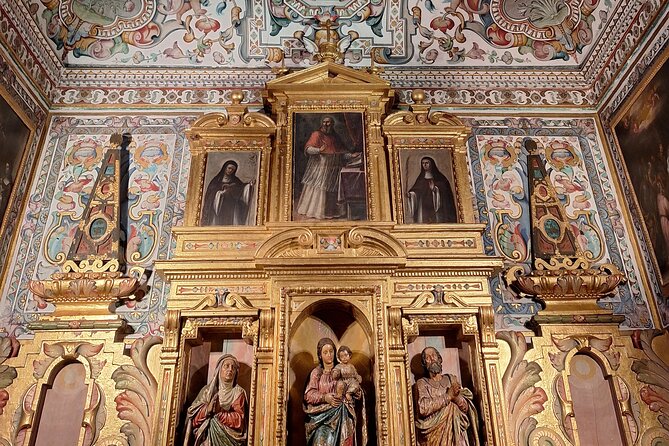
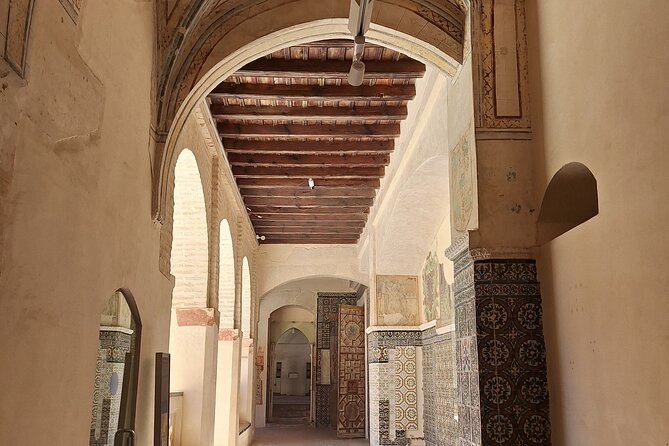
Expect the visit to combine history and art. The guide does not simply identify dates or names. The stated focus is the history of the monastery, the use of its rooms, and the artistic character of the whole complex. That matters if you want to understand how the building worked, not just admire its appearance.
The tour lasts about one hour and 30 minutes. That is long enough for a proper explanation, but short enough to fit into a larger day in Santiponce or Seville. You should still allow extra time before the start to reach the meeting point and get ready for the 12:30 pm departure.
Following the story from Guzman the Good to the 19th century
Guzman the Good is the starting point for the monastery’s story. His role as founder gives the guide a clear way to explain why the site was created and how its original purpose shaped the building.
From there, the visit moves through the monastery’s later use. The history does not stop with the foundation. The complex also passed through the changes and disruptions connected with the 19th-century depreciations. This part is particularly useful because it explains why historic religious buildings often have a more complicated past than their architecture suggests.
I would pay close attention when the guide connects the historical events to the rooms you are standing in. A date on its own is easy to forget. A date connected to a particular space, function, or change in the building is easier to understand.
The available information does not promise a full account of every period or every object inside. It does promise a guided explanation of the monastery’s history and the use of its rooms. That is the right expectation to bring.
What the art historian adds
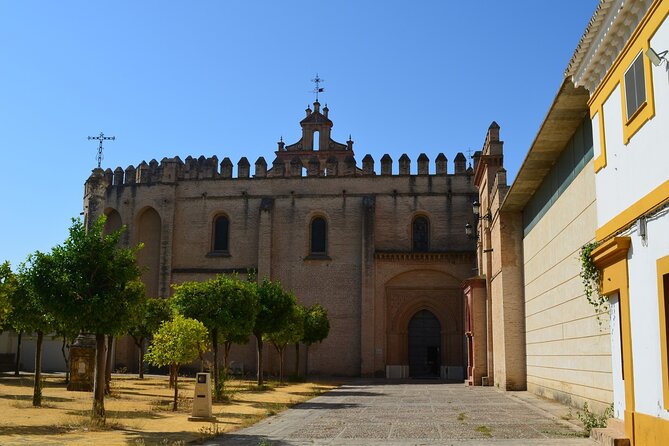
The guide is described as both an art historian and an official guide for local tourism. That combination is one of the strongest reasons to book rather than walk through the monastery without assistance.
An art historian can help you look at the building as more than an old religious site. You may notice how rooms relate to one another, how the artistic elements support the purpose of the space, and how the whole complex reflects its religious setting. The guide is also expected to explain the building in a way that connects it to local history.
The official local guide qualification adds a practical benefit. You are not only getting an academic explanation of art. You are also receiving a tour shaped for people visiting the area, with a clear route and local context.
No individual guide’s name is provided, so you should not expect to request a particular person when booking. What is clear is the guide’s professional role and the subject expertise attached to the visit.
A different sort of afternoon in Seville:
- Seville: Royal Alcázar Entry Ticket
★ 4.6 · 28,378 reviews - Seville: Cathedral and La Giralda Entry Ticket
★ 4.5 · 24,592 reviews - Seville: Live Flamenco Dancing Show Ticket at the Theater
★ 4.7 · 16,396 reviews - Seville: 1-Hour Guadalquivir River Sightseeing Eco Cruise
★ 4.2 · 10,281 reviews
A small group, but not a private tour
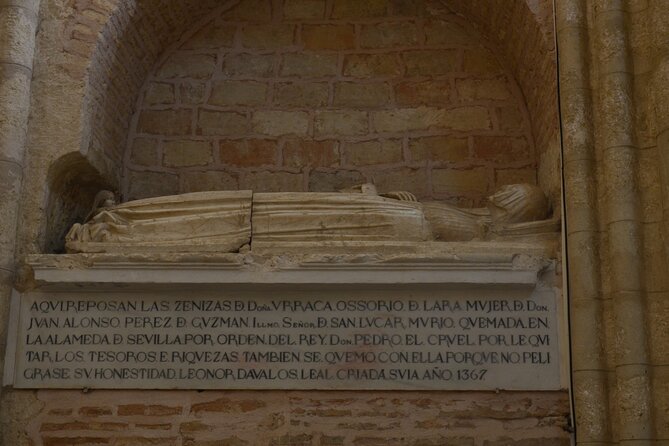
The maximum group size is 30 people. That is not a private experience, and the guide will still be speaking to a group rather than tailoring every minute to one family or couple.
Still, 30 is a reasonable limit for a historic interior. It should be easier to hear the explanation and follow the route than in a much larger group. The group size also helps keep the 90-minute schedule on track.
If you prefer very quiet visits or long one-on-one discussions, this may feel more public than a private guide. If you want structure, a clear explanation, and the chance to ask an occasional question, the format should work well.
The tour has received a five-star rating from 12 published reviews, with 100 percent recommending it. That is a small sample, so I would treat it as encouraging rather than final proof. The praise centers on the value of having a guide explain the artistic whole, not merely provide visual access.
Is $13.83 a fair price?
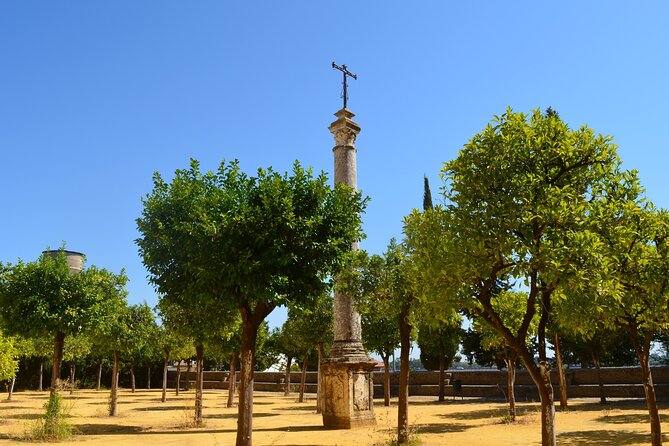
At about $13.83 per person, this is priced as an affordable guided cultural visit. The cost covers the visit with the art historian and official local tourism guide. The information provided also lists admission as free, so the price appears to be for the guided service rather than a separate entrance charge.
That distinction matters. You are paying for interpretation, organization, and access to a structured route through the interior rooms. If you already have a strong background in Spanish religious architecture and prefer to read at your own pace, you may not need the added service.
For most people, though, the price is sensible. The visit lasts 90 minutes, takes place entirely at the monastery, and covers the building’s history and room functions. You are not paying for a short introduction followed by unsupervised wandering.
The strongest value comes from the setting. San Isidoro del Campo is the sort of place where the building’s meaning is tied closely to its past. A guide who explains the founder, the artistic elements, and the later changes helps turn a quiet monument into a readable place.
Planning around the 12:30 pm start
The meeting point is Monasterio San Isidoro del Campo, Avenida de San Isidoro 18, 41970 Santiponce, Sevilla, Spain. The tour starts at 12:30 pm and ends back at the same point.
That fixed start is easy to understand, but it limits flexibility. You cannot simply arrive whenever you like and join the explanation. Build your day around the departure time, and give yourself enough margin to reach Santiponce.
The site is near public transportation, according to the supplied details. No specific route, bus number, or travel time is given, so check your own transport connection before the day of the visit. The meeting and ending point being the same makes the tour easier to combine with other plans in the area.
A mobile ticket is provided. Keep the confirmation available on your phone, and remember that booking confirmation arrives at the time of booking. The experience is limited to 30 people, so booking ahead is sensible, especially since it is commonly reserved about 15 days before the visit.
Who will enjoy this monastery visit
I would recommend this tour to anyone who wants more than a quick look at a historic building. It is especially useful if you enjoy art, religious architecture, or local history but do not want to spend hours researching the site before arriving.
It also suits you if you prefer a compact experience. The 90-minute length gives you a substantial visit without taking over an entire day. The one-location format is simple, and the guide keeps the focus on the monastery rather than adding unrelated sights.
Families and mixed-interest groups may also find the format practical. The guide explains the use of the rooms, which gives the visit a clear structure for people who are less familiar with art history. Most people can participate, and service animals are allowed.
You may want to skip it if your main goal is complete independence. The fixed start, guided route, and group limit mean this is not a drop-in visit or a private exploration. It is also not presented as a broad tour of Seville, so do not book it expecting a city walk or several attractions.
What to notice as you move through the rooms
Try to listen for the connection between a room’s appearance and its purpose. The guide’s job is not simply to tell you that a room is old. It is to explain how the room functioned within the monastery.
Pay attention when the guide links individual spaces to the larger story. The founder’s role, the monastery’s changing use, and the events of the 19th century should make more sense when you can place them inside the building itself.
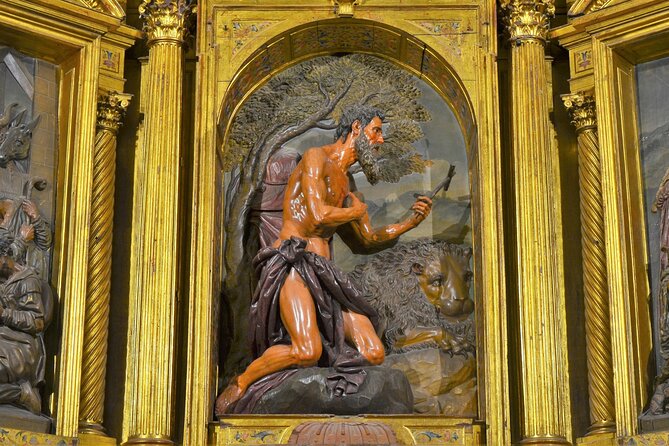
The artistic explanation is also worth your attention. One published comment praised the value of having a guide so the visitor could understand the artistic whole rather than enjoy the setting only visually. That is the central promise of this visit, and it is where the experience earns its modest price.
You should not expect every possible detail to be covered in 90 minutes. A guided visit has to make choices. The advantage is that the choices are organized around the monastery’s history, interiors, and art, rather than a rushed list of unrelated facts.
Cancellation and practical flexibility
Free cancellation is available if you cancel at least 24 hours before the experience begins. If you cancel less than 24 hours before the start time, the amount paid is not refunded, and changes made within that period are not accepted.
The cut-off follows local time. That is worth noting if you are booking from another time zone or changing a longer Seville schedule.
The experience ends at the meeting point, which removes the need to arrange a separate pickup. Since the tour uses a mobile ticket, you can keep the booking on your phone instead of collecting paper documents.
Should you book the San Isidoro del Campo tour?
Book it if you want a short, affordable, guided visit that makes the monastery easier to understand. The strongest reasons are the art historian guide, the explanation of every interior room, the clear story from Guzman the Good through the 19th century, and the reasonable $13.83 price.
I would be more cautious if you dislike fixed schedules or prefer to explore alone. The 12:30 pm start requires planning, and a group of up to 30 people will not offer the quiet of a private tour.
For a visitor interested in Seville’s nearby historic sites, though, this is a sensible choice. You get a focused 90-minute look at San Isidoro del Campo, with the historical and artistic context that a silent walk through the building may not provide.
FAQ
Where does the tour begin?
The tour begins at Monasterio San Isidoro del Campo, Avenida de San Isidoro 18, 41970 Santiponce, Sevilla, Spain.
What time does the tour start?
The tour starts at 12:30 pm.
How long does the visit last?
The visit lasts approximately one hour and 30 minutes.
Where does the tour end?
The activity ends back at the monastery meeting point.
What does the tour include?
It includes a visit with an art historian and official guide of local tourism.
How much does the tour cost?
The listed price is $13.83 per person.
How many people can join the tour?
The maximum group size is 30 people.
Can I cancel for a full refund?
Yes. You can cancel for a full refund up to 24 hours before the experience start time. Cancellations or changes made less than 24 hours before the start are not refunded or accepted.
Just added around Seville
- The Villages of Andalusia: Full-Day Trip from Seville★ 4.8 · 19 reviews
- From Seville: White Villages Tour★ 5.0 · 9 reviews
- White Villages & Ronda 2-Days Trip & Overnight Stay★ 4.6 · 5 reviews
- Your Photo Story in Seville★ 5.0 · 16 reviews
- Triana Market Tapas Tour★ 4.9 · 12 reviews
- Seville: Guided visit of the Casa de Pilatos with entrance tickets★ 4.3 · 18 reviews
- From Seville: Wine Tourism Half Day Tour★ 4.0 · 17 reviews
- Wine tourism, visit to a traditional winery and wine tasting★ 5.0 · 3 reviews
Guided, compared.
Cathedral, Giralda, and Royal Alcázar Guided Tour
Read our review →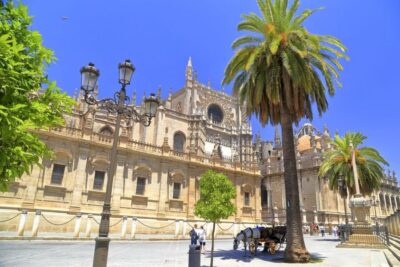
Cathedral, Giralda & Alcazar Entry With Guided Tour
Read our review →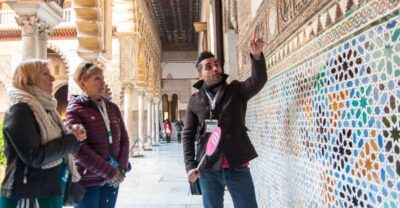
Alcázar and Cathedral Entry Ticket and Guided Tour
Read our review →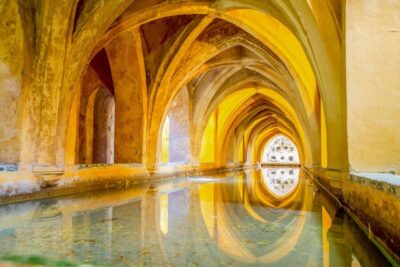
Alcázar of Seville Skip-the-Line Tickets and Guided Tour
Read our review →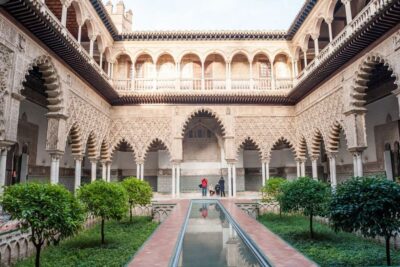
Seville Cathedral and Giralda Tower Guided Tour and Tickets
Read our review →