
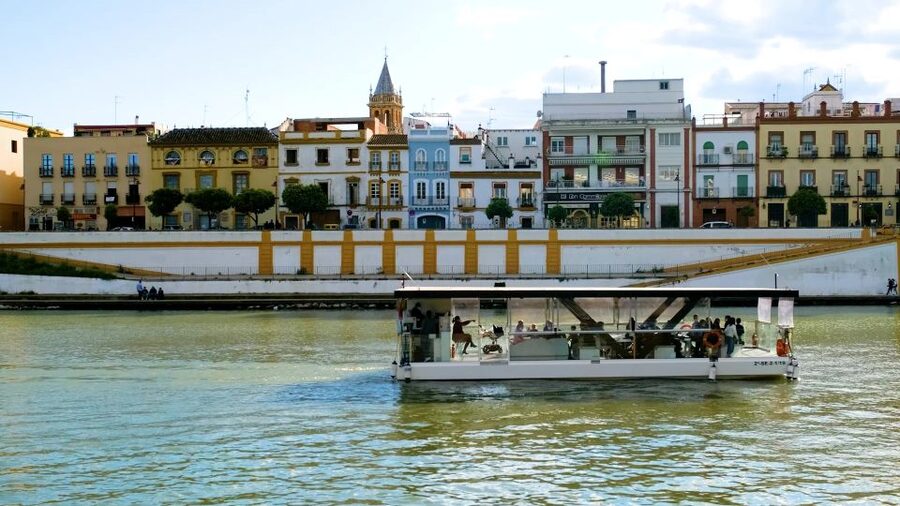
Reviewed · SEVILLE GUADALQUIVIR RIVER CRUISES
Seville: Guadalquivir & Secrets of Triana Small Group Tour
Seville’s story makes more sense once you follow the Guadalquivir River into Triana. This 1.5-hour walk links the old harbor, the city’s trade with the Americas, flamenco, ceramics, sailors, and the first church built after the Christian conquest.
I like the small group size, limited to 10 people, and the way the route connects famous sights with ordinary trades such as tile making and ironwork. I also like the local perspective offered by guides such as Carmen, who grew up in Triana, and Valentín, who knows the area from personal experience. The main consideration is pace: you cover a lot of ground in a short time, and the tour runs rain or shine.
Key points to know before you book
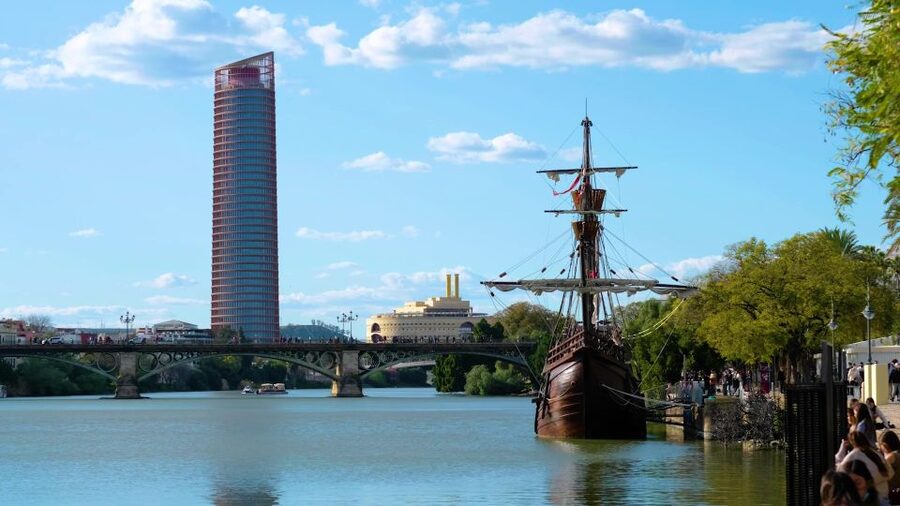
- Start beside Torre del Oro: Meet at the riverbank near the tourist cruise ticket office, not inside the tower.
- Cross Isabel II Bridge: This is the natural gateway from central Seville into Triana.
- See working traditions: The route covers Triana Market, ceramics, ironwork, craft guilds, and local food culture.
- Connect Triana with flamenco: You learn why this quarter is closely linked with flamenco artists, bullfighters, sailors, and Andalusian gypsy culture.
- Hear the darker chapters: The Callejón de la Inquisición brings in the story of Seville’s Inquisition period.
- Expect a personal guide: Carmen, Marta, Miguel, and Valentín have all led highly praised walks, with some guides offering local restaurant tips afterward.
Why the Guadalquivir is the right place to begin
Meet at the base of Torre del Oro, on the riverbank beside the tourist cruise ticket office. Look for a guide wearing a white lanyard and carrying a white bag marked Seville Unique Experiences.
This opening point matters. The Guadalquivir was not just a pleasant strip of water beside Seville. It helped make the city a major trading center, linking inland Andalusia with Atlantic routes and the Americas. Starting here gives you a useful frame for everything that follows.
The guide first sets out the river’s role and Seville’s former harbor. You then walk along the water, stopping at places that explain how goods, people, and ideas moved through the city. The subject is bigger than ships and cargo. It also helps explain why Seville grew wealthy, why different trades took root in Triana, and why the river shaped the identity of both sides.
I like this order. A walk through Triana can otherwise feel like a pleasant wander through tiled buildings and narrow streets. By beginning with trade and transport, you understand why this suburb became so important.
More Seville Guadalquivir River Cruises:
- Seville: 1-Hour Guadalquivir River Sightseeing Eco Cruise
★ 4.2 · 10,281 reviews - Seville: Guadalquivir River Cruise
★ 3.9 · 6,921 reviews - Seville: Guadalquivir Boat Tour with Optional Lunch/Dinner
★ 4.4 · 2,193 reviews
A short stop at Fundación Nao Victoria
The route includes about 15 minutes at Fundación Nao Victoria and the Espacio Exploraterra. This stop adds a seafaring angle to the river story and helps place Seville in the wider age of Atlantic exploration and trade.
You should think of this as a guided sightseeing stop rather than a full museum visit. Tickets to monuments and attractions are not included, so confirm with your guide what can be seen from the route and what requires a separate admission.
A brief additional stop follows, lasting about five minutes. The exact point is not specified, so expect a short explanation rather than a major visit. These smaller pauses are useful in a walking tour because they give the group time to connect the larger story with the streets around you.
Crossing Isabel II Bridge into Triana
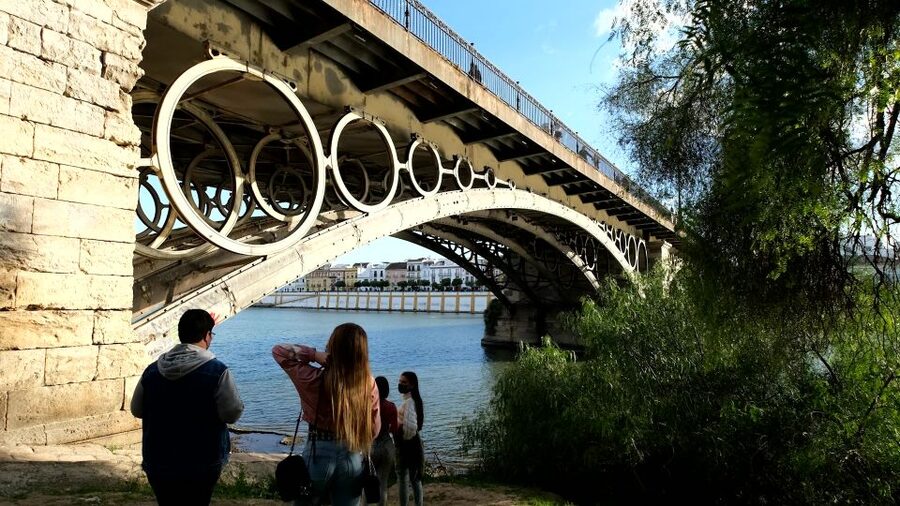
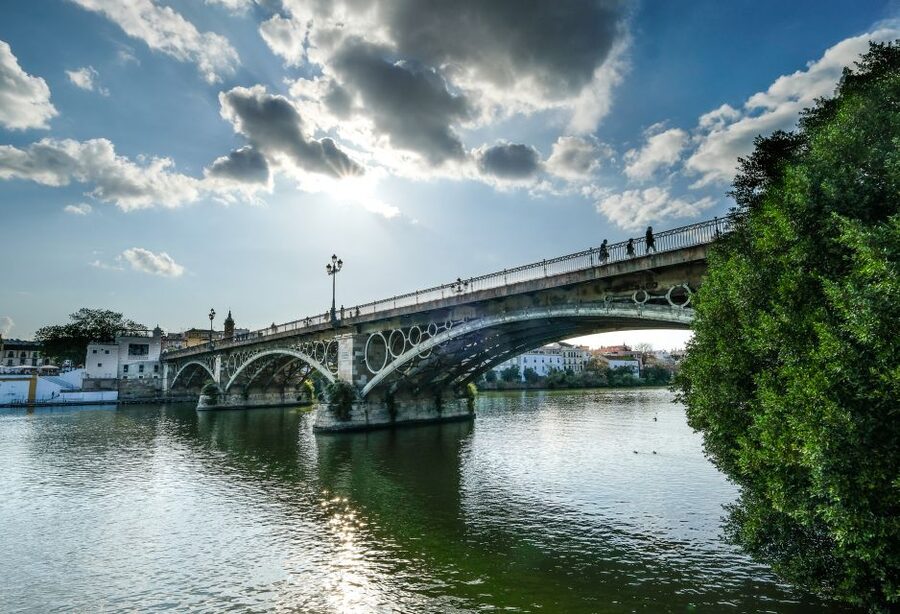
The walk then reaches Puente de Isabel II, better known as Triana Bridge. Allow about 15 minutes here for the guide’s explanation and views.
This is the key change in mood. Behind you is central Seville, with its grand monuments and formal tourist routes. Ahead is Triana, a historic suburb with its own identity and a long connection to the river.
The bridge is also a practical photo stop. You can look back toward the river and the city while hearing why Triana developed as a separate community across the water. The bridge itself is one of the most recognizable crossings in Seville, but the value of stopping here is not only visual. It marks the social and cultural shift that the tour explores in the second half.
The walk does not treat Triana as a decorative side trip. You hear about its residents, work, religion, folklore, and changing character. That gives the district more meaning than a quick visit for photos and tapas.
Triana Market and the food of the district
Triana Market receives about 15 minutes. This is a useful stop for understanding local food culture and the everyday life of the neighborhood.
A market visit on a short walking tour will not give you time to sample everything or browse at length. Instead, the guide helps you read the place as part of Triana’s identity. Food, trade, and neighborhood life come together here.
The market is also a good place to ask for lunch advice. Carmen recommended places to eat at the end of one walk, helping a visitor find restaurants beyond the most obvious choices. Since restaurant suggestions depend on the day and your preferences, ask your guide for current advice rather than treating the tour as a meal outing.
If you want a full market visit, return later with more time. On the tour, use this stop to get your bearings and connect modern Triana with its older craft and trading traditions.
More Triana Tours:
- Seville: Live Flamenco Show at “Teatro Flamenco Triana”
★ 4.6 · 3,290 reviews - Seville: Baraka Sala Flamenca Show with Drink in Triana
★ 4.8 · 1,761 reviews - Spanish Cooking Class & Triana Market Tour in Sevilla
★ 5.0 · 760 reviews - Seville: 3.5-Hour Spanish Cooking Class & Triana Market Tour
★ 4.9 · 751 reviews
Ceramics, guilds, and the look of Triana
The Centro Cerámica Triana is another 15-minute stop. Ceramics are central to the visual character of Triana, and this part of the walk explains why tile and pottery matter here.
The district has long been home to craft guilds, and some traditional trades continue today. Tile work and ironwork are especially noticeable. You might otherwise walk past decorated facades, workshops, or metal details without understanding what you are seeing. The guide gives those details a local context.
This is one of the strongest parts of the experience for me because it is easy to notice the beauty of Seville without understanding the work behind it. Triana’s tiles are not just colorful decoration. They point to a local trade, a skilled workforce, and a neighborhood shaped by making things.
The stop is guided sightseeing, not a promise of a long workshop visit. You should not book this expecting to make pottery or shop for a full hour. Book it if you want the cultural background that helps you see Triana with sharper eyes.
The Callejón de la Inquisición
The route continues to Callejón de la Inquisición for about 15 minutes. This narrow passage introduces one of the darker chapters in Seville’s past.
The Inquisition can be an uncomfortable subject, but it belongs in a serious account of the city. Here, the guide brings Triana’s streets into a wider story of religious control, fear, and punishment. The setting makes the history feel close because the subject is tied to a real place rather than presented as a detached date in a museum.
This stop also keeps the tour from becoming too polished. Triana is celebrated for flamenco, food, tile, and local pride, but its past includes hardship and conflict. I appreciate that the route includes both the appealing and difficult parts of the district.
Flamenco, folklore, and Triana’s local character
Flamenco is one of the tour’s main themes. Triana is closely connected with flamenco’s origins and with Andalusian gypsy culture. The guide explains the relationship between the district and the art form, along with the roles of singers, dancers, and musicians in local life.
The tour also covers Triana’s links with bullfighters, sailors, and craftspeople. That mix helps explain why the quarter has such a strong identity. It is not presented only as a place to see a flamenco show. You learn why the neighborhood became part of flamenco’s story in the first place.
This is where a local guide can make a real difference. Carmen is from Triana and describes herself as a Trianeira, giving her a personal connection to the area. Other guides, including Valentín and Miguel, have been praised for their engaging explanations and their ability to make solo visitors feel comfortable asking questions.
Keep your expectations in check. The tour explains flamenco’s connection to Triana, but it does not include a performance. It ends near the river, where many flamenco venues are located, so you can use the final location to plan an evening show afterward.
The riverfront and Chapel of the Sailors
After the neighborhood stops, the route returns to the Guadalquivir for another 15-minute guided section. This brings the walk back to the river that started the story.
The riverfront is a useful place to think about the changes Triana has gone through. The guide discusses the district’s past as well as changes taking place now. You get a sense of how the old suburb looks across at Seville while still keeping its own outlook.
The route also includes the Chapel of the Sailors, or Capilla de los Marineros, for about 15 minutes. Its name fits the quarter’s long connection with sailors and the river. The chapel adds a religious and maritime note after the sections on trade, crafts, and flamenco.
Monument entry tickets are not included, so treat the stop as guided sightseeing unless your guide confirms that admission is part of the visit. The tour finishes at Real Parroquia de Señora Santa Ana, an important endpoint in Triana.
What the 1.5-hour format means for you
At $29 per person, this is a reasonable price for a small-group city walk, especially when the group stays at no more than 10 participants. You are paying for a guide who links several subjects that would be hard to connect on your own: river commerce, the old port, Triana’s trades, ceramics, the Inquisition, religion, and flamenco.
The value is strongest if you want orientation and local context rather than entrance-heavy sightseeing. You will not receive monument tickets, hotel pickup, or a long museum visit. The tour is about streets, viewpoints, explanations, and the guide’s ability to make sense of the area.
Ninety minutes is enough to introduce Triana, but not enough for a slow, detailed exploration. You will make several stops, yet the schedule keeps moving. Wear comfortable shoes and arrive early. Latecomers cannot join once the group leaves the meeting point.
The walk is wheelchair accessible, according to the activity details. It takes place rain or shine, so check the forecast and dress accordingly. The meeting details are sent by WhatsApp, text, or email, so check those messages before setting out.
Which guide style may suit you best
The guide can shape this experience. Carmen has a strong connection to Triana and is able to discuss the area from the perspective of someone born and raised there. Marta has been praised for clear explanations of Seville and for continuing the walk even when only one person attended.
Valentín is described as engaging and enthusiastic, with knowledge of parts of Triana that you might otherwise miss. Miguel has been especially welcoming to solo visitors and open to questions. Carlos has also led the walk with an informative style.
Guide assignments can change, so you should not book on the assumption that one specific person will lead your date. Still, the pattern is clear: the experience depends heavily on guides who can tell stories, answer questions, and point out places you might pass without noticing.
Who should book this Triana walk
I would choose this tour during a first visit to Seville, especially if you have already seen the central sights and want to understand another side of the city. It is also useful at the start of a longer stay because the guide can help you decide where to return for food, ceramics, flamenco, or further exploration.
It suits solo visitors well because the group is small and the guide can make it easier to ask questions. Couples and families who want a short cultural walk should also find the format manageable.
You may want a different experience if your main goal is a full flamenco show, a long market visit, a pottery workshop, or entry to several monuments. Those are not included. You will also need to accept a fixed pace and an outdoor route in all weather.
Should you book Seville’s Guadalquivir and Triana tour?
Book it if you want Seville explained through one neighborhood and one river. The strongest features are the small group, the local guide perspective, and the clear connection between Triana’s crafts, trade, religion, and flamenco.
At $29, it offers solid value for a focused introduction, particularly because guides such as Carmen, Marta, Miguel, and Valentín bring personal stories and practical advice to the walk. Just allow extra time afterward if you want to visit a monument, eat at the market, shop for ceramics, or attend a flamenco performance.
FAQ
Where does the tour start?
The meeting point is at the base of Torre del Oro, on the riverbank beside the tourist cruises ticket office.
How do I identify the guide?
The guide will wear a white lanyard and carry a white bag marked Seville Unique Experiences.
Where does the tour finish?
The walk finishes at Real Parroquia de Señora Santa Ana in Triana.
How long does the tour last?
The walking tour lasts about 1.5 hours.
What language is the tour conducted in?
The tour is conducted in English by a live English-speaking guide.
How large is the group?
The group is limited to 10 participants.
Are tickets to monuments included?
No. Tickets to monuments are not included in the tour price.
Is the tour wheelchair accessible?
Yes. The activity is listed as wheelchair accessible.
What happens if it rains?
The tour runs rain or shine. Arrive on time, since latecomers cannot join after the group leaves the meeting point.
Just added around Seville
- The Villages of Andalusia: Full-Day Trip from Seville★ 4.8 · 19 reviews
- From Seville: White Villages Tour★ 5.0 · 9 reviews
- White Villages & Ronda 2-Days Trip & Overnight Stay★ 4.6 · 5 reviews
- Your Photo Story in Seville★ 5.0 · 16 reviews
- Triana Market Tapas Tour★ 4.9 · 12 reviews
- Seville: Guided visit of the Casa de Pilatos with entrance tickets★ 4.3 · 18 reviews
- From Seville: Wine Tourism Half Day Tour★ 4.0 · 17 reviews
- Wine tourism, visit to a traditional winery and wine tasting★ 5.0 · 3 reviews
Seville Guadalquivir River Cruises, compared.
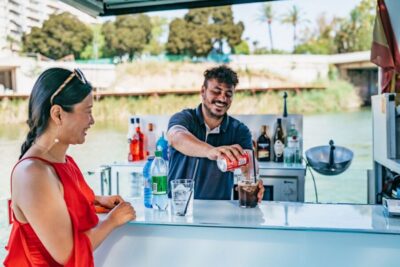
1-Hour Guadalquivir River Sightseeing Eco Cruise
Read our review →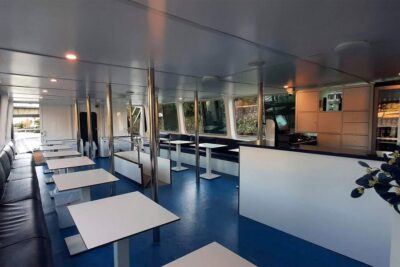
Guadalquivir Boat Tour with Optional Lunch/Dinner
Read our review →
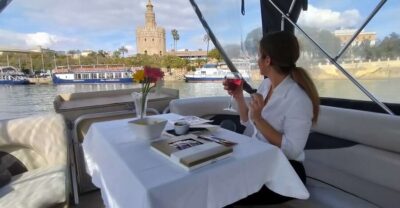

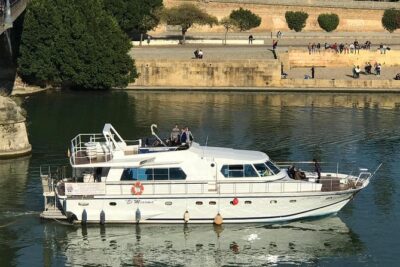
Cruise along the Guadalquivir River with appetizer
Read our review →
Browse the lists this tour appears in