
Reviewed · DOñANA NATIONAL PARK TOURS
Donana National Park and El Rocío: Guided Tour from Seville
Doñana is the kind of place that rewards patience rather than a checklist. From Seville, you move through rice fields, marshes, pine woods, sandy tracks, and Atlantic dunes, with a chance to see flamingos, storks, deer, wild horses, and, if luck is on your side, the elusive Iberian lynx. El Rocío, with its sandy streets and horse culture, adds a human story to the wild setting.
I especially like the variety: you are not parked beside one viewpoint all day, and the small-group 4×4 format gets you into areas that are awkward to reach without a car. Guides such as José, Sergio, Ramón, and Patricia have earned strong praise for explaining birds, plants, and animal tracks in an engaging way. The catch is equally clear: wildlife sightings are never guaranteed, some vehicles are cramped in back, and English explanations can suffer when the group is bilingual.
Key points to know before booking
- Rice fields near Puebla del Río: These hold water through much of the year and attract large numbers of birds.
- Dehesa de Abajo: A prime stop for white storks and other wetland species among old oaks and olive trees.
- El Rocío and its chapel: A striking village of sand roads, horses, and pilgrimage traditions.
- La Rocina walking route: An easy way to look for plant life, tracks, and smaller signs of wildlife.
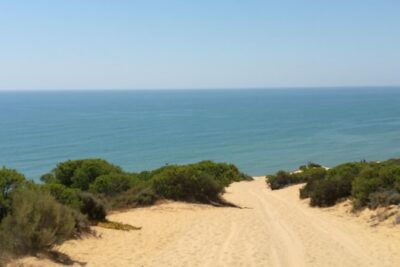
- Matalascañas and the dunes: You reach Doñana’s Atlantic coast and Spain’s largest dune system.
- A full ten-hour day: Hotel pickup or a nearby meeting point, shared transport, lunch at your own cost, and return to Seville.
Why Doñana makes a worthwhile day from Seville
Doñana National Park protects a remarkable mix of habitats at the Guadalquivir River’s mouth. In one day, you can pass from agricultural wetlands to oak pasture, pine forest, marsh, beach, and shifting dunes. That variety is the real reason to book this outing.
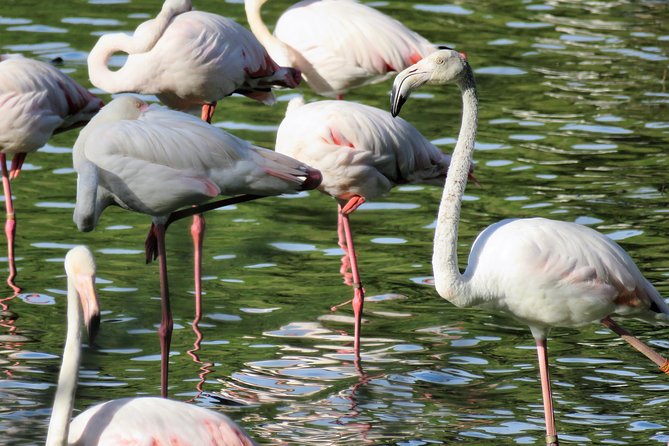
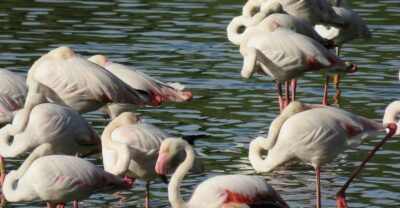
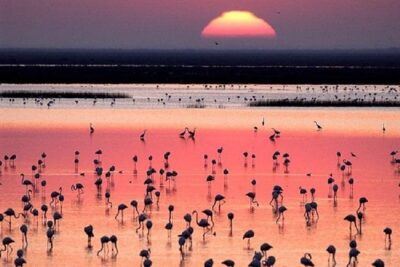
The park is also a major stop for migratory birds between Europe and Africa. Around 300 bird species have been recorded in the wider marshes, pine woods, and fields. You may see flamingos, spoonbills, grebes, geese, ducks, larks, swallows, stonechats, and white storks. The rice fields near Puebla del Río are especially useful because they retain water when other parts of the park become dry.
This is not a safari with guaranteed animal sightings. Seasons, rainfall, heat, wind, and recent weather all matter. One outing may produce flamingos, deer, wild horses, wild boar, and even a lynx. Another may bring only a few animals and better views of trees, dunes, and bird habitat. I would book it for the range of environments and the chance of wildlife, not for a guaranteed close-up photograph.
More Doñana National Park Tours:
- From Seville: Doñana National Park Day Trip
★ 4.3 · 380 reviews - Donana National Park: Guided Day Tour from Seville
★ 4.5 · 372 reviews - Horseback riding around Doñana National Park
★ 5.0 · 89 reviews
Starting early from Seville
The day begins early, with pickup at the closest available point to your accommodation. Listed meeting locations include Calle Rastro 12A, Calle Trajano 6, Hotel Don Paco, and Plaza Padre Jerónimo de Córdoba 4. The stated service includes pickup and drop-off at most downtown hotels, but the exact arrangement can mean walking to a nearby point rather than waiting outside your hotel.
Pay close attention to the pickup time. A few minutes matter on a small shared tour, and the operator may call if you have not arrived. I would reach the meeting point early, especially if you are unfamiliar with central Seville. The end point is back at the meeting area, even when pickup begins near your hotel.
The group limit is 15 people, although some departures are much smaller. A compact group helps the guide answer questions and makes stops less slow. It does not guarantee a comfortable seat for everyone. Some departures use a 4×4, while others have used a minivan. Rear seats may have small windows and limited room for camera equipment, and one central rear seat has been described as hard over bumps.
If photography matters to you, ask about a fair seat rotation at the start. The front offers better visibility, while the back can feel cramped during the longer drives.
Puebla del Río and the rice fields
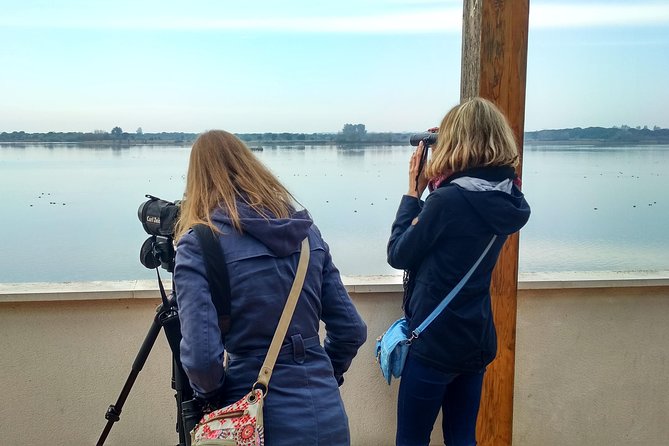
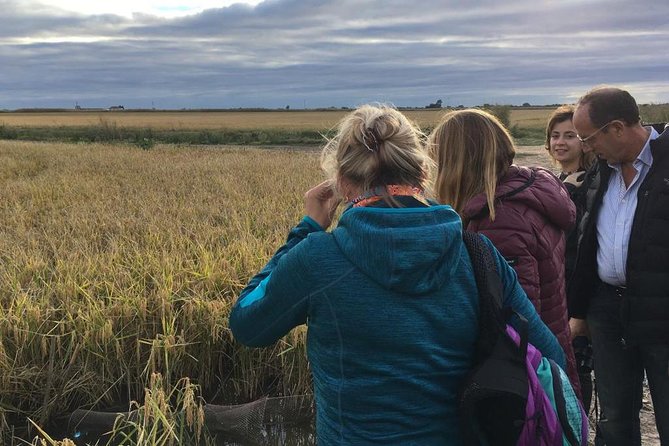
The first substantial stop is around Puebla del Río, on the northern side of the park near the Guadalquivir. This is a working agricultural zone, not untouched wilderness, and that is part of its value. Seasonal rice cultivation creates broad wet areas where birds can feed and rest.
You will spend roughly 40 minutes here. Your guide may point out species in the fields and explain why this water supply matters. Birders should bring binoculars if they have them, since many birds will be across open fields rather than right beside the vehicle.
The quality of this stop depends heavily on the guide and the language mix in the vehicle. José, Ramón, Sergio, and other guides have been praised for spotting birds and explaining animal behavior. But bilingual departures can become uneven, with long conversations in Spanish and shorter English summaries. If your English explanation is important, say so politely at the beginning and ask the guide to repeat key points in English.
Dehesa de Abajo and the white storks
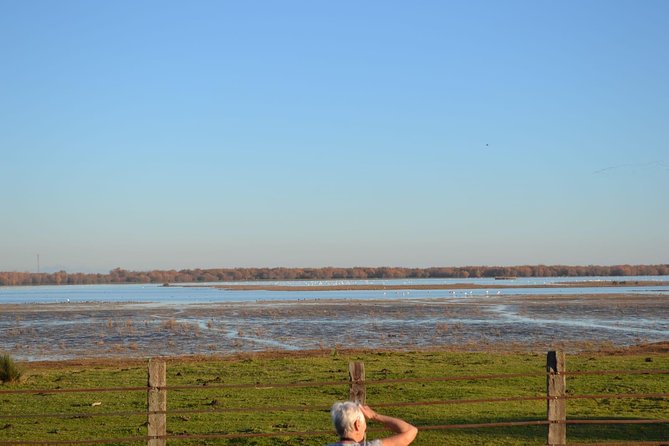
At Dehesa de Abajo, the setting changes to old olive trees, oaks, and open wetland. The area is known for a major white stork colony, described as Europe’s largest. This can be one of the best bird stops of the day, especially when nesting activity is visible.
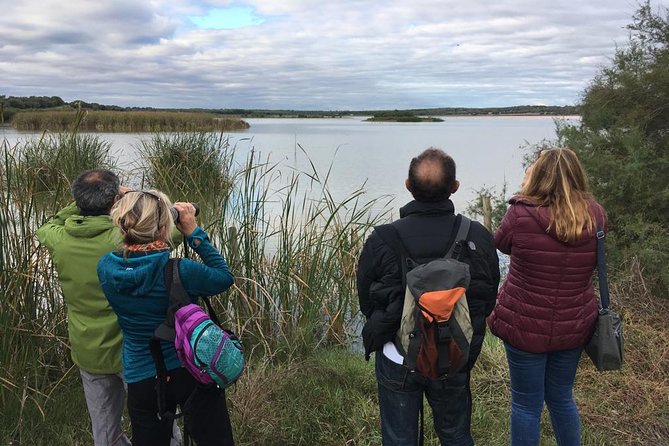
The visit lasts about an hour. You might see storks, flamingos, spoonbills, grebes, geese, ducks, and smaller field birds. The guide can also help you notice animal signs that you would otherwise walk past. A good guide makes the difference here because the most interesting activity may be far away or partly hidden among trees.
Bring sun protection and water. There is little point rushing this stop. Take a moment to scan the trees, marsh edge, and open fields instead of looking only for large mammals. Doñana’s birdlife is often the main event.
A different sort of afternoon in Seville:
- Seville: Royal Alcázar Entry Ticket
★ 4.6 · 28,378 reviews - Seville: Cathedral and La Giralda Entry Ticket
★ 4.5 · 24,592 reviews - Seville: Live Flamenco Dancing Show Ticket at the Theater
★ 4.7 · 16,396 reviews - Seville: 1-Hour Guadalquivir River Sightseeing Eco Cruise
★ 4.2 · 10,281 reviews
El Rocío, a village built for horses
El Rocío feels unlike almost anywhere else in Spain. Its streets are sandy, and horses are part of the local scene. The village grew around devotion to the Virgin of El Rocío, whose white hermitage draws pilgrims from across the region.
You have about an hour here, usually including a visit to the chapel. The village offers a useful break from the vehicle, and it gives the day a cultural side that a pure nature outing would miss. Near pilgrimage season, you may see groups returning from the countryside, horses, and people on foot in traditional surroundings.
The drawback is time. With several natural stops still ahead, an hour passes quickly. If El Rocío is your main interest, this tour will give you an introduction rather than a slow cultural visit. If you prefer more time in the park, you may see the village as a pleasant but slightly long interruption.
Palacio del Acebrón and La Rocina
The Palacio del Acebrón sits near the Arroyo de la Rocina, and the visit lasts about 30 minutes. The building adds a touch of architecture and local history to a day otherwise focused on open country. It also provides a useful starting point for understanding the nearby stream and wetland.
Afterward, you follow a circular walking route near La Rocina. The walk is less about covering distance and more about reading the ground. Guides explain native plants, animal trails, and the small clues that reveal what lives in the area.
Do not expect a hard hike. The schedule allows about an hour, including interpretation and a short break before lunch. Wear shoes that can handle sandy or uneven paths, and avoid bringing more gear than you want to carry. This is one of the most rewarding sections for anyone who likes plants, tracks, and quiet observation more than a fast succession of viewpoints.
Lunch and the practical cost of the day
Lunch is not included in the $107.68 price, so set money aside for food and drinks. The group normally stops for a meal featuring local cooking, but the quality of the restaurant can vary. Some diners have enjoyed the welcome and the setting, while others found the food or service disappointing. Vegetarian choices may also be limited.
That makes the tour’s value fairly easy to judge. You are paying for roughly ten hours of transport from Seville, a professional guide, a shared 4×4 or minivan, several nature stops, El Rocío, the beach, and the return drive. If you rented a car, you would still need to plan the route, understand access restrictions, find the right bird areas, and drive for a long day. For a first visit, the guided format is convenient and reasonably priced.
The value is weaker if you mainly want a long hike or a dedicated lynx search. The day includes a lot of driving and several short stops. You are buying access to a broad introduction to the region, not an intensive wildlife expedition.
Matalascañas and the Atlantic dunes
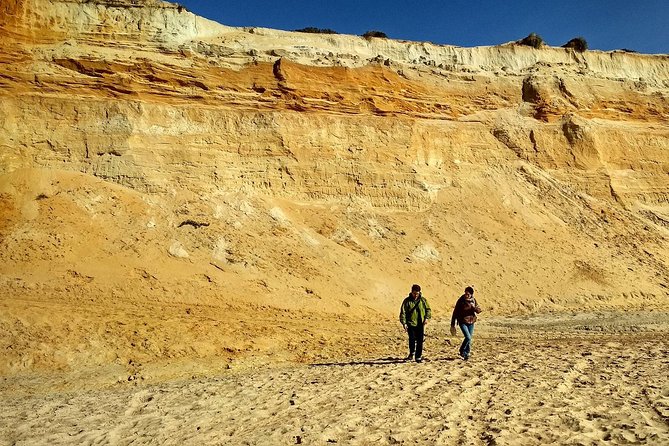
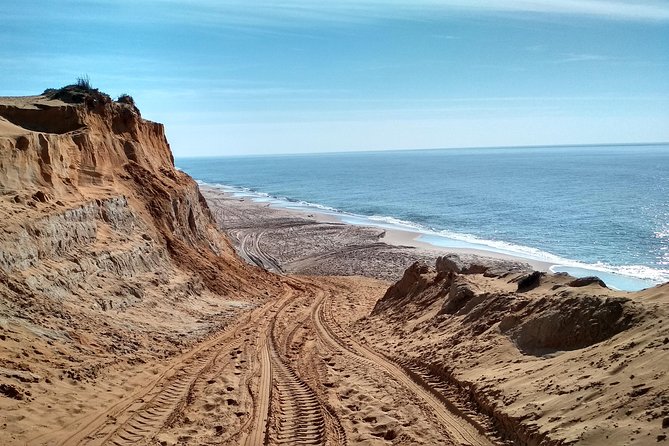
After lunch, the route reaches Matalascañas and the coast. This stop shifts the mood completely. You see the Atlantic shoreline and the dunes that make Doñana’s coastal zone so unusual.
The dune system is constantly reshaped by wind. Sand moves inland, covers plants, and changes the edge of the forest. The tour allows about an hour here, sometimes with around 45 minutes at the beach. Pack a swimsuit in warm weather if you want the option of a quick swim, but do not assume this is a full beach day.
Matalascañas is also the stop most likely to divide opinions. Some people enjoy the contrast between marsh and sea. Others would gladly trade the beach time for a longer walk or more wildlife viewing inside the park. If your priority is birds and mammals, keep that tradeoff in mind before booking.
The return through pine forest
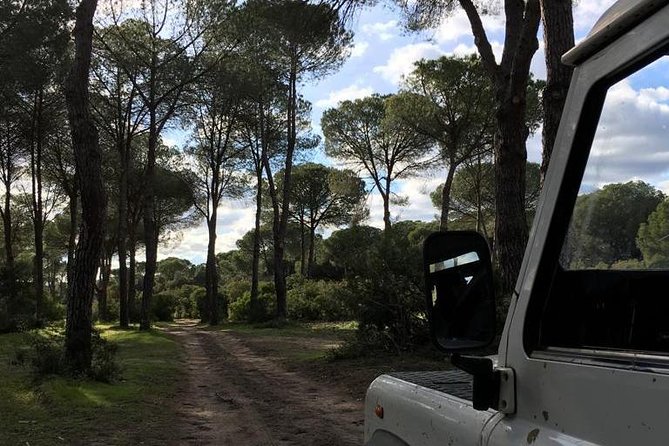
The final section is meant to bring you back through Doñana’s forested areas in a 4×4, with hopes of seeing larger mammals. Red deer, wild boar, rabbits, wild horses, and other animals may appear. The Iberian lynx is the prize sighting, but it is rare and never promised.
Some departures have had remarkable luck, including a young lynx, deer, a large stag, flamingos, storks with chicks, and wild horses. Other outings have seen very little. That contrast is normal for a protected natural area, but it also explains why expectations matter.
Weather can change the route. After rain, tracks may become muddy or inaccessible, and safety closures can prevent the advertised forest crossing. If conditions force the vehicle onto public roads or park edges, the wildlife portion can feel much less satisfying. Ask your guide what areas are open that day, particularly after poor weather.
This is also where the 4×4 matters most. On a good departure, splashing through puddles and using rough tracks adds fun and brings you closer to habitats that ordinary cars cannot reach. On a crowded departure, the vehicle can feel uncomfortable, and the rear passengers may see little through narrow windows.
Guides, language, and the quality of the day
The strongest part of this experience is often the guide. José has been praised for patient explanations of birds, mammals, reptiles, insects, and plants. Sergio brings strong natural-history knowledge and has been especially effective at adjusting the day to poor weather. Ramón is a keen bird guide, while Patricia has been described as warm and attentive.
That said, your experience depends on the person assigned to your departure. Some guides speak at length in Spanish when several Spanish speakers are present, leaving English speakers with brief summaries. One outing even included a Spanish-only explanation at a lynx facility. If you do not speak Spanish, make your language preference clear before the trip begins.
The advertised operating language is English, but mixed-language groups can still affect the balance. If you want uninterrupted English interpretation, a private tour would be more reliable, though it would cost more. For a shared tour, keep your expectations flexible and ask questions directly. The best guides respond well when you show interest.
Who should book this Doñana day trip?
I would choose this tour if you have one free day from Seville and want to combine nature, local culture, and the coast. It suits birdwatchers, amateur photographers, first-time visitors to Andalusia, and anyone who would rather leave the driving to someone else.
It is also a good fit if you like variety. In one day you can see rice agriculture, wetlands, old trees, a pilgrimage village, a streamside trail, dunes, beach, and pine forest. That is a lot of ground, and the pace keeps the day moving.
I would hesitate if you need a spacious vehicle, want a quiet private experience, or care mainly about large mammals. I would also think twice if a guaranteed English explanation at every stop is essential. Weather, seasonal water levels, and animal behavior can all shape the result.
Cancellation is free up to 24 hours before departure. Poor weather or too few bookings can also lead to a new date or a full refund. The tour is generally suitable for most people, but you should be comfortable with a long day, several hours of driving, walking on natural paths, and getting in and out of a shared vehicle.
Should you book it?
Yes, if you want a broad and practical introduction to Doñana from Seville. The best days combine sharp guiding, active wetlands, good weather, and a little luck with wildlife. The chance of seeing an Iberian lynx is thrilling, but the real payoff is seeing how many habitats fit into one protected area.
Book it with realistic expectations. Choose sturdy shoes, bring water, sun protection, binoculars if you have them, and ask for a seat rotation. Arrive early, confirm the English arrangements, and treat El Rocío and the beach as part of the day rather than distractions. If you can accept the long drives and uncertain sightings, this is a worthwhile escape from Seville at a fair price.
FAQ
How long does the Doñana and El Rocío tour last?
The experience lasts approximately 10 hours, including transport from Seville, nature stops, walking time, lunch, and the return journey.
Is hotel pickup included?
Pickup and drop-off are offered at most downtown Seville hotels, but you may be directed to the closest meeting point. Listed meeting points include Calle Rastro 12A, Calle Trajano 6, Hotel Don Paco, and Plaza Padre Jerónimo de Córdoba 4.
Is the tour conducted in English?
The tour is offered in English. On mixed-language departures, some explanations may also be given in Spanish, so tell the guide at the start that you need the English commentary.
Is lunch included in the price?
No. Food and drinks are not included, and lunch is purchased at your own expense during the tour.
Will I definitely see an Iberian lynx?
No. The return through Doñana includes the possibility of seeing the Iberian lynx and other mammals, but sightings depend on weather, season, access, and luck.
What happens if the weather is poor?
The tour requires suitable weather. If it is canceled because of poor conditions, you can receive a different date or a full refund. Changes and cancellations made less than 24 hours before departure are not refunded.
Just added around Seville
- The Villages of Andalusia: Full-Day Trip from Seville★ 4.8 · 19 reviews
- From Seville: White Villages Tour★ 5.0 · 9 reviews
- White Villages & Ronda 2-Days Trip & Overnight Stay★ 4.6 · 5 reviews
- Your Photo Story in Seville★ 5.0 · 16 reviews
- Triana Market Tapas Tour★ 4.9 · 12 reviews
- Seville: Guided visit of the Casa de Pilatos with entrance tickets★ 4.3 · 18 reviews
- From Seville: Wine Tourism Half Day Tour★ 4.0 · 17 reviews
- Wine tourism, visit to a traditional winery and wine tasting★ 5.0 · 3 reviews
Doñana National Park Tours, compared.
Donana National Park: Guided Day Tour from Seville
Read our review →
Birding & Photography Day Trip to Doñana from Seville
Read our review →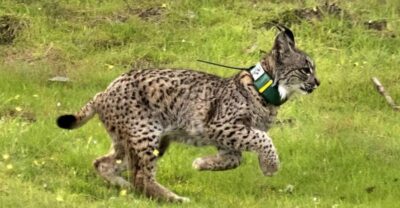
Donana National Park and El Rocío: Private Tour from Seville
Read our review →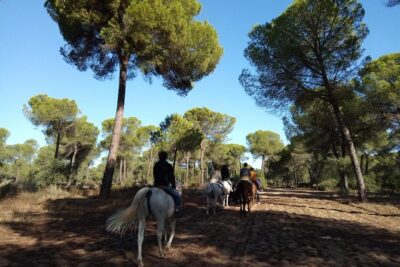
Horseback Riding Experience in Aljarafe, Doñana park from Seville
Read our review →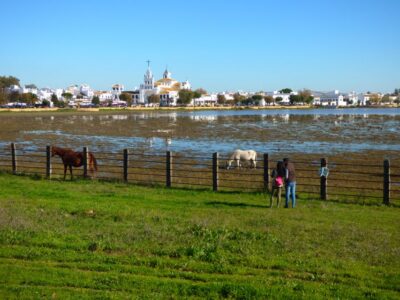
Doñana National Park Off-Road Tour from Seville
Read our review →Browse the lists this tour appears in