
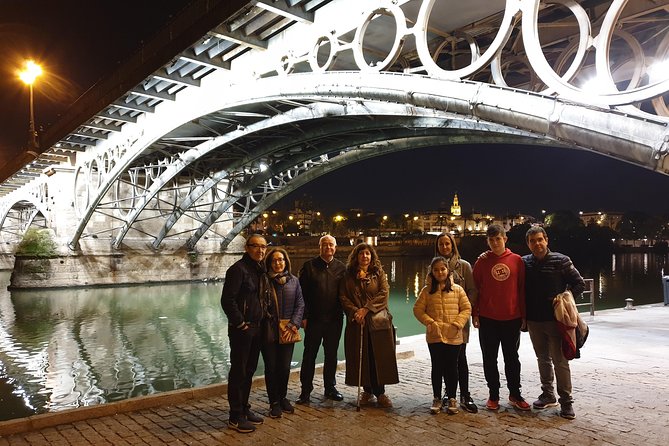
Reviewed · TRIANA TOURS
Legends of Triana Walking Tour in Spanish
Triana’s appeal is not hard to spot: colorful buildings face the Guadalquivir, church towers rise behind them, and old lanes lead into one of Seville’s most characterful neighborhoods. This Spanish-language walking tour adds the stories behind the sights, from flamenco traditions to pottery, river trade, and local legends. I like the compact two-hour route and the small maximum group of 15. Guides such as Mari Paz, Johanna, Jesús, Bárbara, Valentín, and Adrián have been noted for clear explanations, humor, and lively storytelling. The main drawback is that the tour does not include food or drinks, and a two-hour walk may feel warm or tiring in Seville’s summer heat.
I especially like that you begin at Isabel II Bridge, where Triana’s identity becomes clear at once: one bank is central Seville, the other is this proud old quarter. I also like the use of historical images and videos on a guide’s tablet, an especially useful touch when an old building or vanished tradition is difficult to picture. Since the tour is in Spanish, you will get the most from it if you can follow everyday Spanish comfortably.
Key points at a glance
- Triana’s famous starting point: Meet at Puente de Isabel II, the bridge linking central Seville with the neighborhood.
- A route built around stories: Expect legends, anecdotes, mysteries, and local history rather than a simple parade of landmarks.
- Several sides of Triana: The walk covers Calle Betis, Santa Ana Church, the pottery quarter, the old navigators’ university, the Inquisition headquarters, and the riverbank.
- A genuinely small group: The maximum is 15 people, which should make it easier to hear the guide and ask questions.
- Guide-led visual material: Some guides, including Mari Paz, have used historical photographs and videos on a tablet.
- Good value for a short outing: At $14.23 per person, you get about two hours with a local professional guide and no separate admission charge listed for the route.
Why Triana feels different from central Seville
Triana sits across the Guadalquivir River from Seville’s central sights, but it has a strong identity of its own. The neighborhood is closely tied to flamenco, ceramics, river life, and old working districts. You can see this character in the colorful facades along Calle Betis and in the church steeples that rise over the older streets.
That mix makes Triana a good place for a walking tour based on anecdotes. The main sights are not the whole story. The value comes from hearing why particular streets, buildings, and corners matter, and from learning about the people and traditions linked to them.
I would not choose this experience if you only want formal art, grand monuments, or long visits inside major attractions. This is a neighborhood walk. Its focus is the atmosphere and past of Triana, told through legends and local details.
The tour is in Spanish, an important point to settle before booking. If you speak Spanish well enough to follow a guide at a steady walking pace, the language can make the stories feel more natural. If you only know basic Spanish, you may miss the small turns in the anecdotes, which are the heart of the experience.
More Seville Ghost and Paranormal Tours:
- Seville Evening Historical Tour with Haunted History
★ 5.0 · 626 reviews - Seville: Paranormal and Legends Guided Walking Tour
★ 4.7 · 267 reviews - Seville Paranormal Small-Group Walking Tour
★ 5.0 · 133 reviews
Starting at Isabel II Bridge
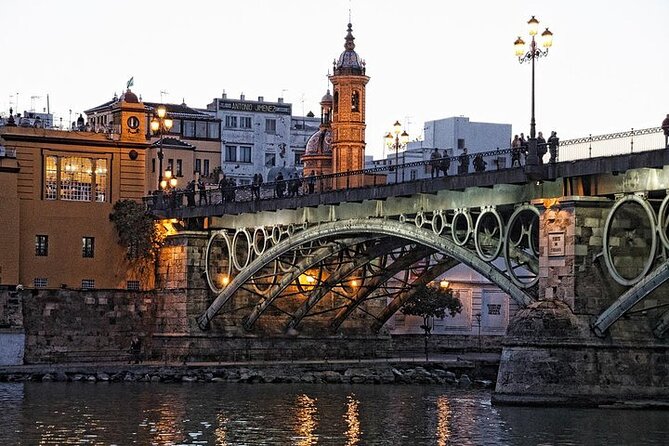
The tour begins at Puente de Isabel II, commonly called Triana Bridge. This is a smart meeting point because it gives you an immediate sense of the neighborhood’s position. You start beside the river, with central Seville on one side and Triana ahead.
The bridge also sets up the tour’s main theme: Triana has always been connected to the Guadalquivir. The river shaped movement, work, trade, and the relationship between the quarter and the rest of Seville. From here, the walk heads into the oldest part of the neighborhood.
You should arrive ready to walk for close to two hours. The stated duration is approximately two hours, while the itinerary gives the main visit as about one hour and 45 minutes. That small difference is normal for a guided walk, but it is wise not to schedule a tight activity immediately afterward.
The bridge is near public transportation, so reaching the meeting point should be fairly simple. The experience finishes back at the same meeting point, which makes the route easy to plan around.
Calle Betis and the riverfront
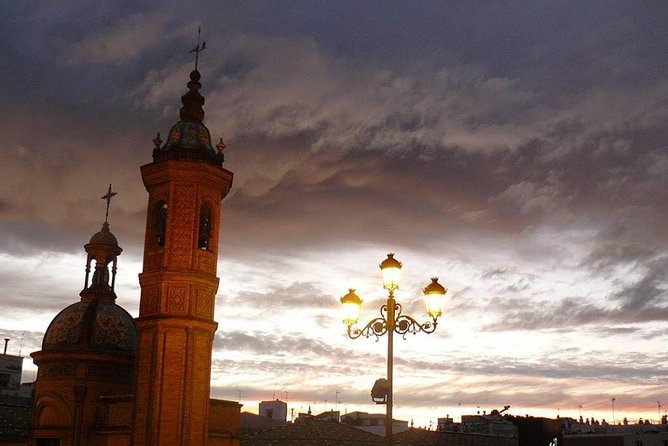
Calle Betis is one of Triana’s most recognizable streets. Its colorful buildings line the river and make this one of the best-known views in the neighborhood. The street is attractive in its own right, but the guide gives you more reason to pay attention than simply taking a photograph.
From this stretch, you can better understand how Triana presents itself to Seville. The riverfront view is open and bright, while the older streets behind it feel more enclosed and local. The contrast helps explain why the neighborhood has such a distinct personality.
The walk also includes time along the riverbank. This is a pleasant change of pace after the narrower streets, and it ties the route back to the Guadalquivir. If your guide discusses river activity, navigation, or local legends here, the setting makes those stories easier to follow.
Do not expect a long pause at every location. This is a continuous walking route, not a series of extended visits. I would bring comfortable shoes and water, especially during hot weather. Food and drinks are not included, and the tour itself does not provide a meal stop.
The navigators’ university and Triana’s old working life
One stop is the old navigators’ university, a reminder that Triana’s story includes more than flamenco and colorful buildings. The name points to the neighborhood’s connection with navigation and the river, themes that give the tour a wider historical frame.
The attraction here is the explanation. Without a guide, you might walk past a historic reference without understanding its importance. A local guide can connect the building to Seville’s maritime past and to the movement of people and goods along the Guadalquivir.
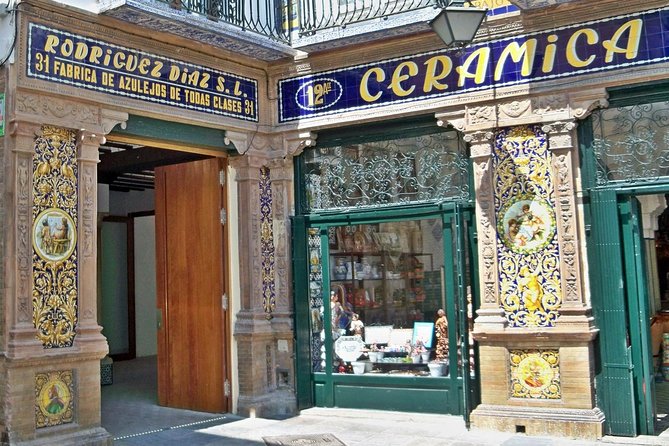
The route also reaches the old potters’ quarter. This is one of the most distinctive parts of the walk because pottery is a visible part of Triana’s identity. The area helps you think about the neighborhood as a place of work and craft, not only as a scenic riverfront.
A walking tour cannot replace a dedicated ceramics visit, and no separate workshop activity is listed. Still, this stop adds useful texture. You get a stronger sense of how everyday trades shaped the quarter and why Triana’s name carries such a strong association with pottery.
More Triana Tours:
- Seville: Live Flamenco Show at “Teatro Flamenco Triana”
★ 4.6 · 3,290 reviews - Seville: Baraka Sala Flamenca Show with Drink in Triana
★ 4.8 · 1,761 reviews - Spanish Cooking Class & Triana Market Tour in Sevilla
★ 5.0 · 760 reviews - Seville: 3.5-Hour Spanish Cooking Class & Triana Market Tour
★ 4.9 · 751 reviews
Santa Ana Church and the older streets
Santa Ana Church is another key stop. Its steeple contributes to the skyline you notice from a distance, and the church helps anchor the older part of Triana.
Here, the guide’s storytelling matters more than a long architectural lecture. The tour is called Legends of Triana, and the route is designed around stories, mysteries, and curious details that may not be obvious from the outside. You can expect the guide to point out features and explain their connection to the neighborhood.
Several guides have been praised for keeping the group involved. Jesús is described as cheerful and detailed, while Valentín is noted for humor and an easy manner. Other guides, including Johanna, Grecia, Cristina, and Bárbara, have been singled out for warmth and enthusiasm. The specific guide depends on the date, so you should not book expecting one named person unless the operator confirms it.
One useful feature is the occasional use of old photographs or videos. Mari Paz has used material on a tablet to show how places looked in earlier periods. That can make a church or street easier to understand, especially when modern buildings have changed the view.
Inquisition headquarters and the darker legends
The old headquarters of the Inquisition adds a more serious note to the route. It is the sort of stop that benefits from a guide because the building’s significance is tied to events, institutions, and stories rather than a single spectacular facade.
The tour does not present Triana as only cheerful or picturesque. Its legends include mystery and darker episodes, and this stop gives the walk more range. You will hear a mixture of history, local anecdotes, and traditional tales rather than a purely academic account.
That balance is one of the tour’s strengths, but it also sets expectations. Legends are not the same as verified historical facts. If you want a strict scholarly tour, you may prefer a specialist history walk. If you enjoy hearing how a neighborhood remembers its past, this format should suit you better.
The guide’s delivery will shape this section. The strongest comments about the experience focus on guides who explain clearly, use humor, and make the group pay attention. That is important here, since a flat presentation could make the stop feel heavy.
Flamenco, legends, and the night-time mood
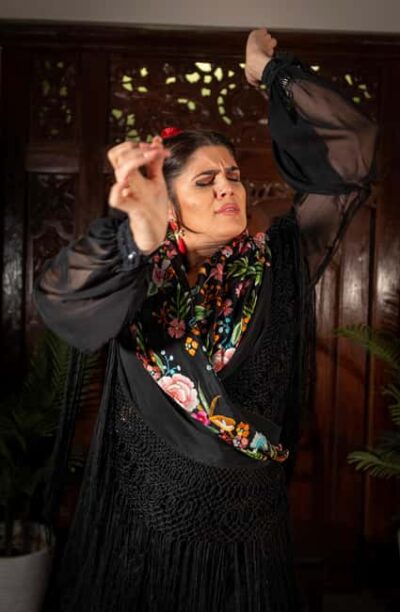
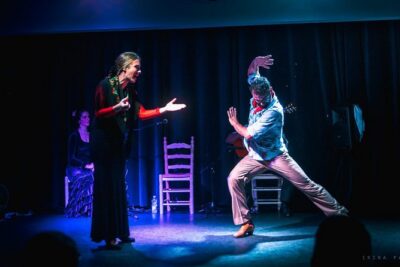
Triana is widely associated with flamenco, and the tour presents that cultural connection as part of the neighborhood’s identity. You should not confuse this walk with a flamenco performance. No show, music, or dance lesson is included. Instead, the tour explains the places and traditions linked to flamenco’s roots in Triana.
Some of the supplied experiences took place at night, and the evening timing was appreciated as a cooler, more atmospheric choice during summer. The exact schedule is not provided here, so check your selected departure before booking. If you do get an evening start, the lower light and quieter feel may suit the legends particularly well.
Night walks also require a little practical care. You should stay close to the group, listen for the guide’s meeting instructions, and wear shoes suited to cobblestones. The route is in an old neighborhood, so you should expect uneven walking surfaces even though a special mobility restriction is not stated.
The physical requirement is listed as moderate fitness. That does not suggest a strenuous hike, but you will be on your feet and moving through streets for nearly two hours. If you need frequent seating or have difficulty with uneven pavement, contact the provider before booking.
What $14.23 buys you
At $14.23 per person, this is inexpensive for a guided two-hour walk in Seville. The price includes a local professional guide and a small-group format, with a maximum of 15 people. It also lists admission as included, although the route is primarily an outdoor neighborhood walk and no major interior visits are specified.
I see the value in the storytelling rather than in the number of sights. You are paying to have Triana interpreted for you, with its legends, old trades, religious landmarks, river connections, and local characters tied into one route. That can save you the effort of researching scattered details yourself.
The price is less compelling if you want a private guide, an in-depth architectural tour, or food and drink along the way. Group discounts may be available, which could make the tour an even better choice for families or friends booking together. The group cap of 15 is helpful, though it is still a group experience rather than a private walk.
The tour has a 4.9 rating from 20 reviews and a 100 percent recommendation figure. The strongest praise centers on the guides: their humor, clear explanations, friendly manner, and ability to keep people interested. That consistency matters because a legends tour depends heavily on presentation.
Who will enjoy this Triana walk
I would recommend it to someone visiting Seville who wants to understand a neighborhood beyond the main cathedral and palace circuit. It is also a good choice if you have already seen central Seville and want a different side of the city.
Spanish-speaking visitors should get the most from the tour, since the stories and explanations are delivered in Spanish. The route also suits people who enjoy local anecdotes, mysteries, and cultural background more than formal museum displays.
It may work well for a first evening in Triana because the bridge meeting point is easy to locate and the tour finishes there. You can use the walk to get your bearings, then return later to places that caught your attention.
I would be more cautious about booking if you have limited walking ability, dislike group tours, or need a tour in English. The available information does not promise interior access to every landmark, a meal, or a performance. You should book it for the guided stories and neighborhood context.
Booking details worth knowing
Confirmation is received at booking. The activity accepts service animals, is near public transportation, and ends at the starting point. The maximum group size is 15, and you should plan for moderate physical activity.
Free cancellation is available if you cancel at least 24 hours before the experience start time. Cancellations made less than 24 hours ahead are not refunded, and changes inside that period are not accepted. The cut-off uses Seville local time.
Naturanda Turismo Ambiental operates the experience. Since several guide names appear in the available feedback, including Johanna, Mari Paz, Jesús, Bárbara, Valentín, Grecia, Cristina, and Adrián, you should treat the named guides as examples rather than a guaranteed assignment.
Should you book Legends of Triana?
Book this tour if you want a low-cost, story-led introduction to Triana, especially if you can follow Spanish and enjoy legends mixed with real places. The route covers enough ground to show the neighborhood’s riverfront, churches, crafts, navigation links, and darker history without taking up a full day.
Skip it if you are looking for a flamenco show, a food tour, or a private architectural visit. For $14.23, though, the combination of a small group, a local guide, and nearly two hours of focused neighborhood storytelling is strong value. I would place it early in a Seville stay, then use what you learn to explore Triana at your own pace.
FAQ
Where does the Legends of Triana Walking Tour begin?
The tour begins at Puente de Isabel II, also known as Triana Bridge, in Seville.
Where does the tour finish?
The activity ends back at the meeting point at Puente de Isabel II.
How long does the walking tour last?
The tour lasts approximately two hours. The main itinerary describes the Triana visit as about one hour and 45 minutes.
What language is the tour in?
The tour is in Spanish.
What places are included on the route?
The route includes Calle Betis, the old navigators’ university, Monipodios House, Santa Ana Church, the old potters’ quarter, the former Inquisition headquarters, and the riverbank.
Is the tour conducted in a small group?
Yes. The walking group has a maximum of 15 people.
Are food and drinks included?
No. Food and drinks are not included in the tour price.
What is included in the booking?
The booking includes a local professional guide and a small-group walking tour. Admission is also listed as included.
Is the tour suitable for someone with limited fitness?
The activity requires a moderate level of physical fitness. You should expect to walk for nearly two hours through historic streets.
Can I cancel for a full refund?
Yes, if you cancel at least 24 hours before the experience start time. Cancellations made less than 24 hours before the start are not refunded, and late changes are not accepted.
More Walking Tours in Seville
- Seville: Small-Group City Highlights Walking Tour
★ 5.0 · 1,204 reviews - Cultural Walking Tour of Seville Monumental
★ 5.0 · 861 reviews - Seville: Tapas, Taverns, and History Walking Tour
★ 4.9 · 676 reviews - Seville: Tapas, Taverns and History Guided Walking Tour
★ 4.9 · 515 reviews
Just added around Seville
- The Villages of Andalusia: Full-Day Trip from Seville★ 4.8 · 19 reviews
- From Seville: White Villages Tour★ 5.0 · 9 reviews
- White Villages & Ronda 2-Days Trip & Overnight Stay★ 4.6 · 5 reviews
- Your Photo Story in Seville★ 5.0 · 16 reviews
- Triana Market Tapas Tour★ 4.9 · 12 reviews
- Seville: Guided visit of the Casa de Pilatos with entrance tickets★ 4.3 · 18 reviews
- From Seville: Wine Tourism Half Day Tour★ 4.0 · 17 reviews
- Wine tourism, visit to a traditional winery and wine tasting★ 5.0 · 3 reviews
Triana Tours, compared.
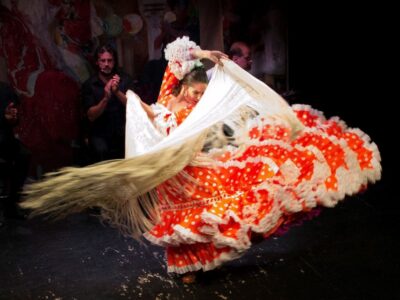
Live Flamenco Show at “Teatro Flamenco Triana”
Read our review →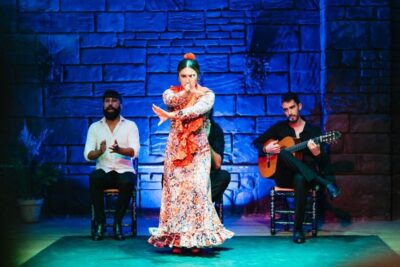
Baraka Sala Flamenca Show with Drink in Triana
Read our review →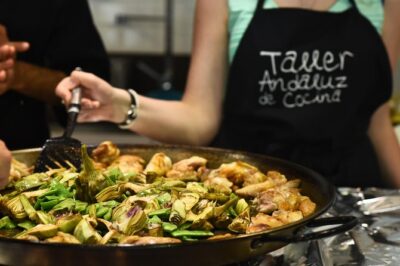
Spanish Cooking Class & Triana Market Tour in Sevilla
Read our review →
3.5-Hour Spanish Cooking Class & Triana Market Tour
Read our review →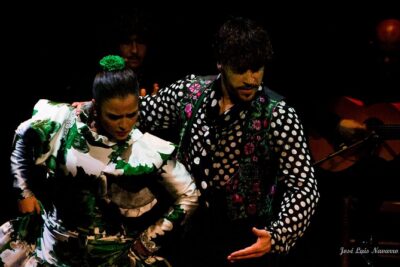
Flamenco Show Tickets to the Triana Flamenco Theater
Read our review →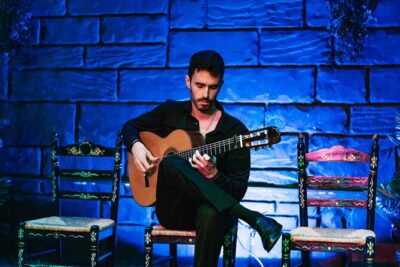
Browse the lists this tour appears in