
Reviewed · PLAZA DE ESPAñA AND MARíA LUISA PARK TOURS
Secrets of Maria Luisa Park and Plaza de Espana
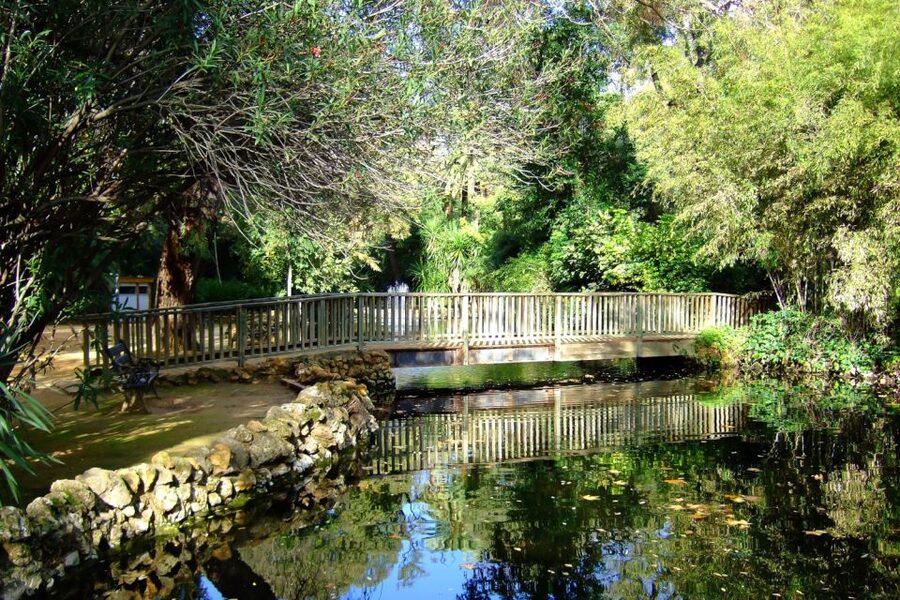
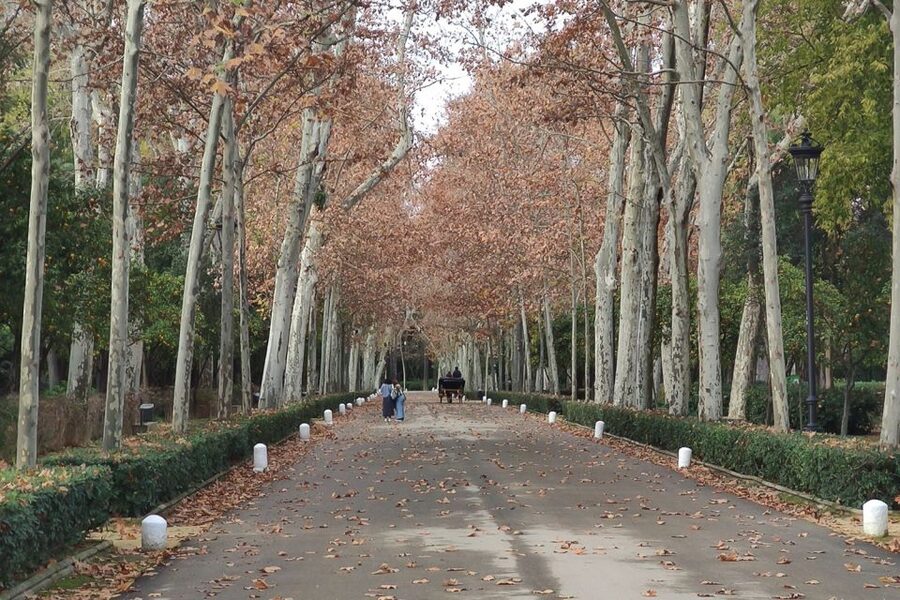
The best part of this tour is that it treats Maria Luisa Park as more than a shortcut to Plaza de España. You follow fountains, monuments, ponds, tiled squares, and shaded paths while learning how Forestier and Aníbal González shaped Seville for the 1929 Ibero-American Exposition.
I like the low $14 price and the chance to see Plaza de América as well as the famous Plaza de España. I also like the small details: guides such as Julián have explained the park’s fountains and overlooked curiosities, while MariPaz and Grecia have led lively walks. The main drawback is timing. One guest felt too much time went to the park and only about five minutes to Plaza de España, so the balance can matter if the grand square is your main goal.
Key points at a glance
- Two historic squares in one walk: See Plaza de América and Plaza de España, both tied to the 1929 exhibition.
- A garden with a story: Learn how Infanta María Luisa Fernanda gave her private gardens to Seville in 1914.
- A stop-by-stop route: Visit the Bécquer monument, Monte Gurugú, the Lotos pond, and several literary and theatrical memorials.
- Spanish-speaking guidance: The tour is offered in Spanish, with guides including Julián, MariPaz, and Grecia on past departures.
- Good value for a short outing: Two hours and a modest price make this an easy addition to a Seville sightseeing day.
- Sun protection matters: Bring comfortable shoes, sunglasses, a hat, sunscreen, and light clothing, especially in spring and summer.
Why Maria Luisa Park deserves two hours
Many people come to Seville for the cathedral, the Alcázar, and Plaza de España. Maria Luisa Park often gets treated as the pleasant space between those sights. That misses the point.
This was Seville’s first urban park and one of its main green lungs. Its story begins with the private gardens of Infanta María Luisa Fernanda, who donated them to the city in 1914. The park then took on a new public role, especially when Seville prepared for the Ibero-American Exposition of 1929.
A guide gives you a useful way to read the place. Instead of seeing a fountain as decoration or a tiled bench as a photo prop, you learn how the park’s spaces were planned and how they reflect Seville’s artistic and civic ambitions. The walk also connects the gardens with the lives of well-known Sevillians and the city’s 20th-century story.
The route lasts about two hours. That is enough time to cover a good portion of the park without turning the outing into a full-day march. It also means the guide has to keep things moving. This is a walking tour with frequent photo stops, not a slow private stroll where you linger at every monument.
More Plaza de España and María Luisa Park Tours:
- Seville: Professional Photoshoot at Plaza de España
★ 4.9 · 211 reviews - Private Tour Jewish Quarter, center and Plaza de España
★ 5.0 · 127 reviews - Small-Group Tour: Seville City Center and Plaza España via Segway
★ 5.0 · 71 reviews
Starting near La Raza or San Diego
You may begin at Avenida María Luisa, near La Raza, or at the fountain in the Glorieta de San Diego. The exact meeting point depends on the option you book, so check your confirmation carefully before setting out.
The route ends at one of those same two areas. That makes the tour fairly easy to fit into a day of sightseeing, though you should allow a little extra time to find the correct starting point. The supplied meeting information does not give a single fixed point for every departure.
Wear shoes that can handle a couple of hours on foot. Bring sunglasses, sunscreen, and a sun hat. The park offers shade, but parts of the route and the open plazas can feel hot, especially in spring and summer.
The guide speaks Spanish. If you understand Spanish well enough to follow a guided explanation, you will get the full benefit of the tour. The experience is also wheelchair accessible, and a private group option is available if you want a more personal format.
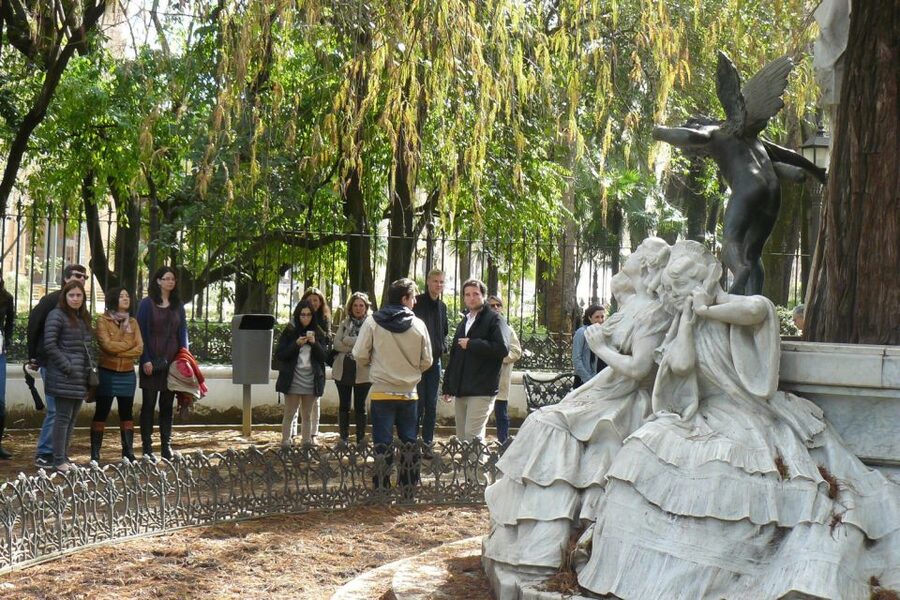
The Bécquer monument and María Luisa’s legacy
The first listed stop is the Gustavo Adolfo Bécquer Monument, with about 15 minutes for a visit, explanation, and photographs. Bécquer is one of Spain’s best-known poets, and this stop gives the walk a cultural opening rather than beginning with architecture alone.
From there, the route continues to the Monument to Infanta María Luisa. This is a useful moment to connect the park’s name with the woman who donated the gardens to Seville. Her gift in 1914 helped create a public space that later became central to the city’s plans for the 1929 exhibition.
You get roughly 10 minutes at this monument. That may sound brief, but short stops help the group cover a large park without losing the route. If you enjoy stopping for careful photographs or reading every plaque, you may wish the schedule were looser.
The guide’s job here is to make the park’s names and monuments fit together. That is one of the tour’s strongest ideas. You are not simply ticking off pretty corners. You are seeing how people, public spaces, and Seville’s civic identity are connected.
From the Lotos pond to Juanita Reina
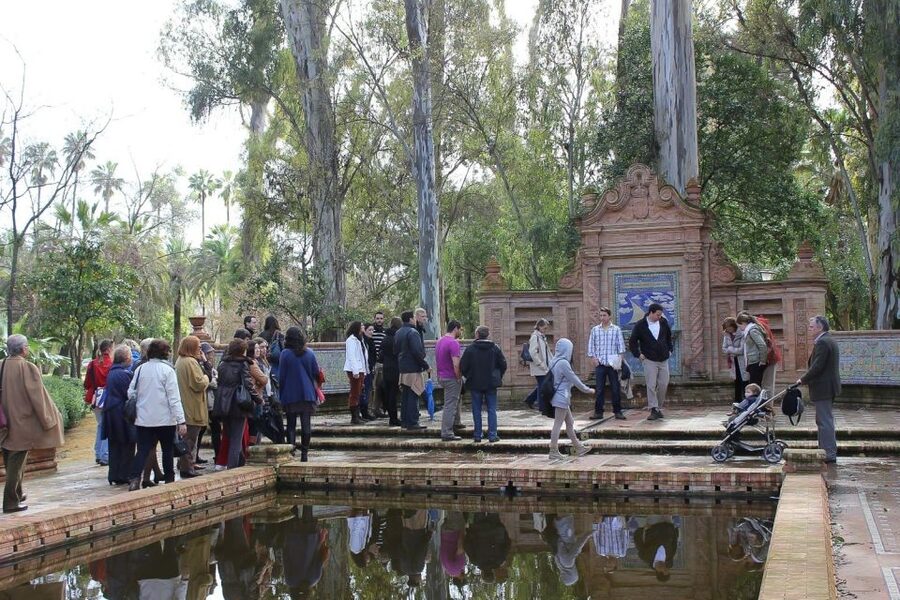
The Estanque de los Lotos, or Lotos pond, is a five-minute stop. It is a small pause in the route, but it helps show the park as a designed garden, where water and planting shape the experience. The tour begins and ends around these garden spaces, so the pond also gives the walk a natural sense of progression.
Next comes the Glorieta de Juanita Reina, with another five-minute visit. Juanita Reina was a famous Sevillian singer and performer. Her memorial adds a modern cultural note to a park often associated mainly with grand architecture.
These short stops are best understood as pieces of a larger picture. The park is not only about the 1929 exhibition. It also reflects Seville’s affection for poets, performers, public figures, and local memory. A guide can point out connections that are easy to miss when you are walking from one major attraction to another.
The pace may feel brisk here. One past departure lasted about two and a half hours, while the planned duration is two hours. That extra time can help, but it may also affect how long you spend at the main square later. If your schedule is tight, do not place an important timed visit immediately after the tour.
A different sort of afternoon in Seville:
- Seville: Royal Alcázar Entry Ticket
★ 4.6 · 28,378 reviews - Seville: Cathedral and La Giralda Entry Ticket
★ 4.5 · 24,592 reviews - Seville: Live Flamenco Dancing Show Ticket at the Theater
★ 4.7 · 16,396 reviews - Seville: 1-Hour Guadalquivir River Sightseeing Eco Cruise
★ 4.2 · 10,281 reviews
Monte Gurugú and the route through the park
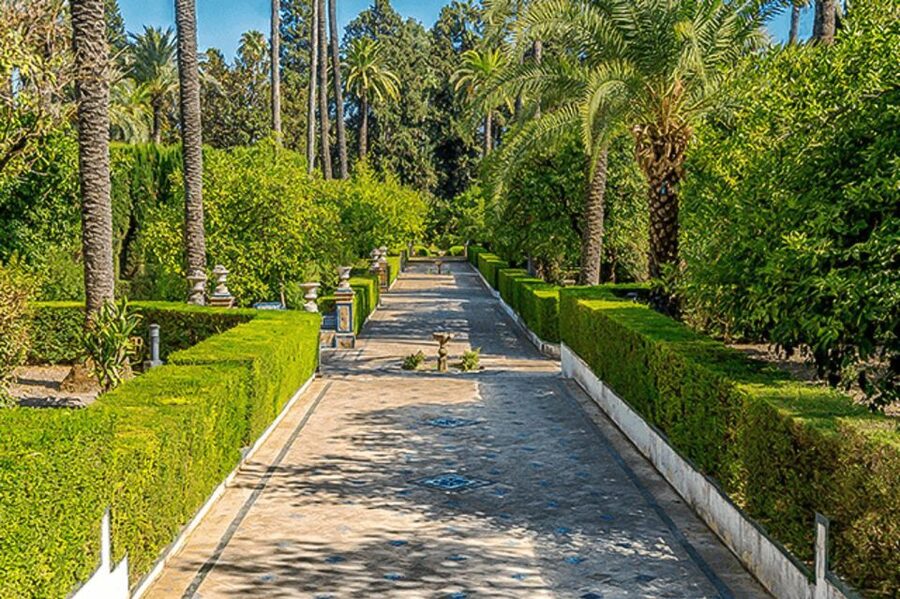
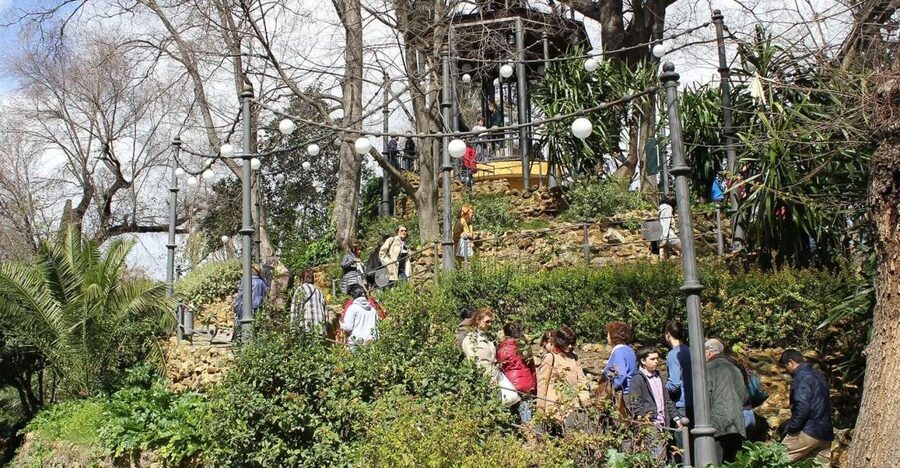
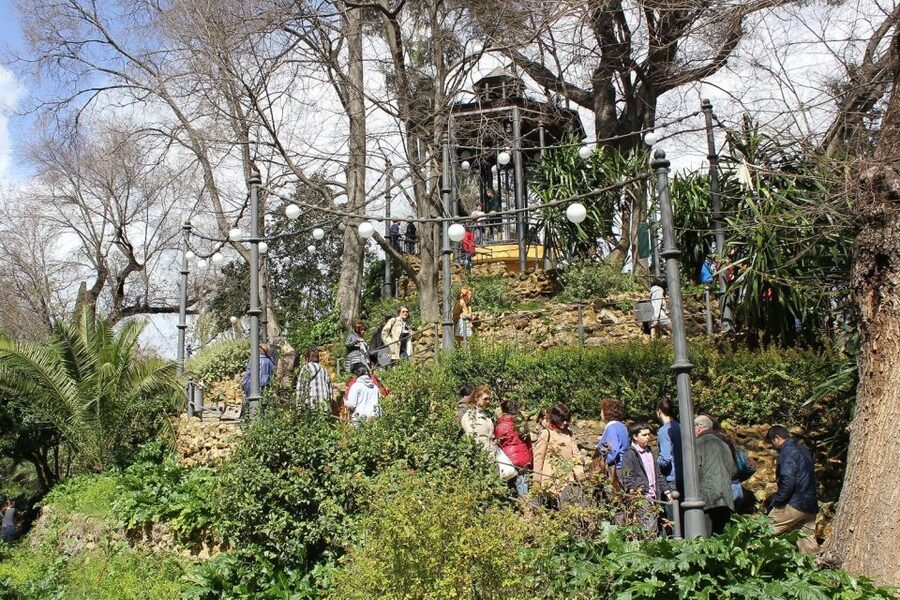
Monte Gurugú receives about 10 minutes. Despite its name, this is not a mountain excursion. It is a garden feature within Maria Luisa Park, and the stop helps you understand the playful variety of the park’s design.
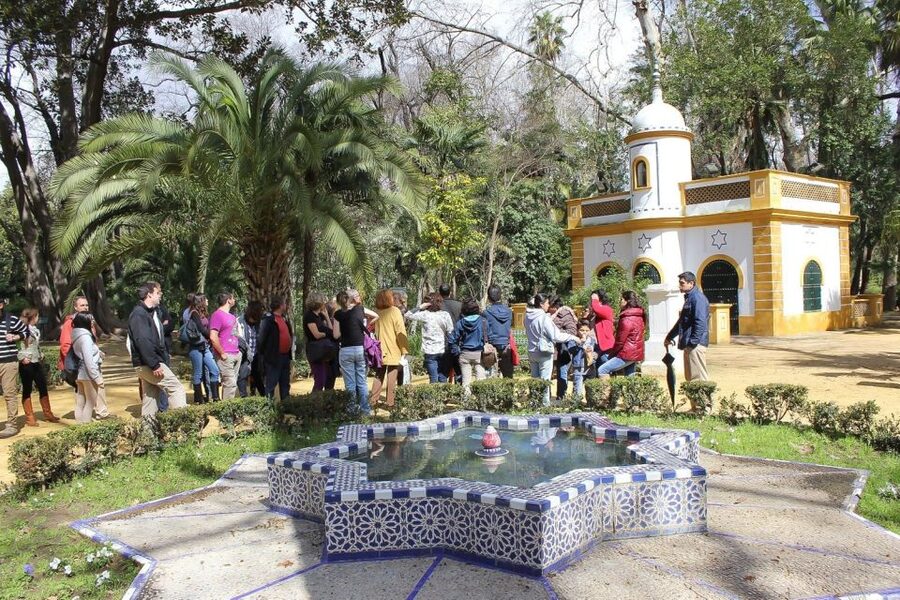
The route then moves toward Plaza de América, where you have about 20 minutes. This square is one of the tour’s major rewards. It was designed as part of the preparations for the Ibero-American Exposition, and it gives you a second grand architectural setting beyond Plaza de España.
Plaza de América is often quieter in feel than its better-known neighbor, which makes it easier to notice the relationship between buildings, garden paths, decorative details, and open space. The tour’s attention to both squares is valuable because they were part of the same effort to present Seville to the wider Spanish-speaking world.
I would especially recommend this portion if you have already seen photographs of Plaza de España and want more context. You get to consider the 1929 exhibition as a citywide project, not just a single famous building.
Two literary glorietas before the main square
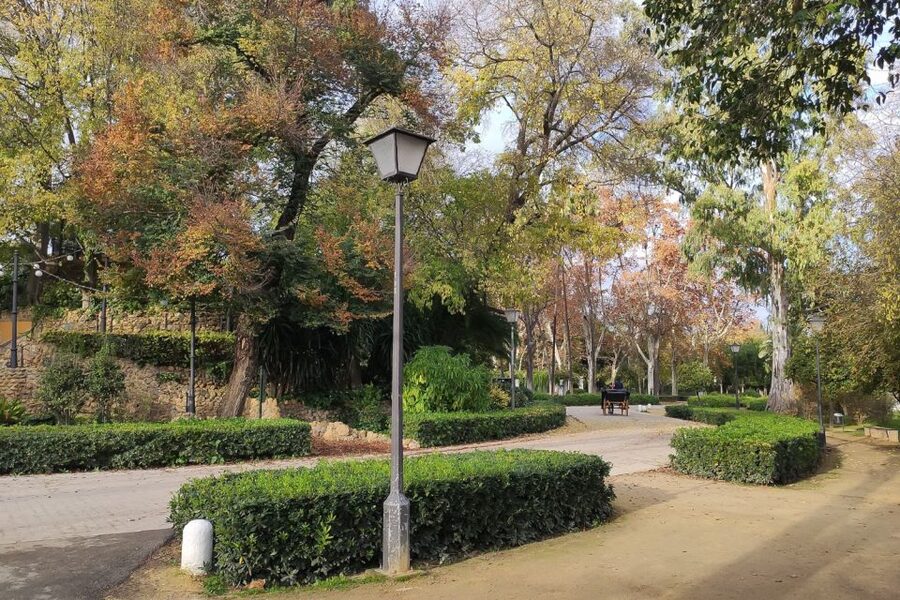
After Plaza de América, the walk visits the Glorieta de los Hermanos Machado for about 10 minutes. The Machado brothers were major Spanish writers, and this stop continues the park’s link with literature and public remembrance.
The next stop is the Glorieta de los Hermanos Álvarez Quintero, also scheduled for about 10 minutes. The Álvarez Quintero brothers were playwrights associated with Andalusian themes and popular theater. Their presence reinforces the park’s role as a collection of cultural tributes, not merely a formal garden.
These memorial spaces may not be essential if you only want the headline sights. They are important if you want to understand the park’s local character. You will see how Seville has used its public gardens to honor writers, performers, and figures tied to Andalusian culture.
This section also explains why the tour can feel longer than a direct walk to Plaza de España. You are taking a cultural route through the park, not the shortest route between two points.
Plaza de España and the 1929 exhibition
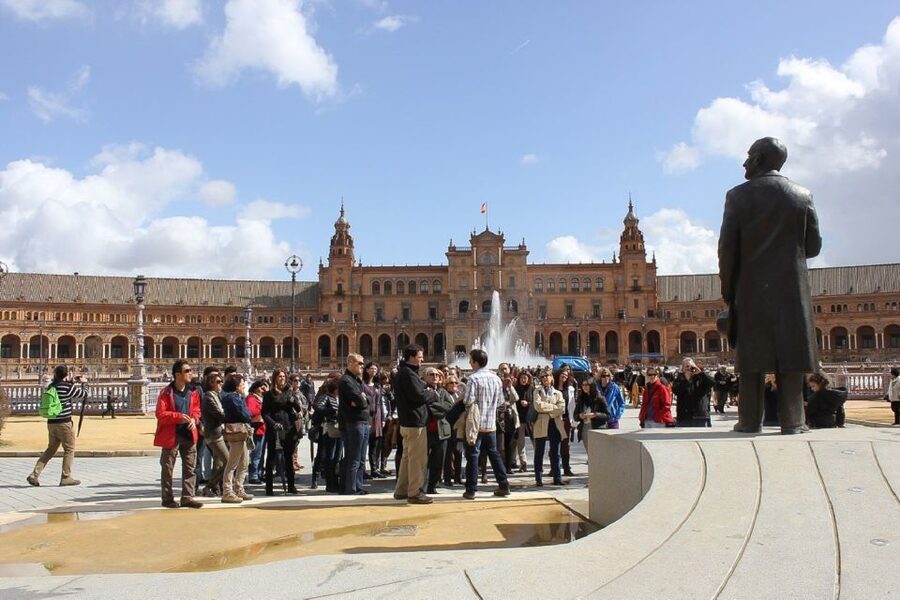
The final major stop is Plaza de España, with about 25 minutes for a guided visit and photographs. Built by Aníbal González for the Ibero-American Exposition of 1929, it was the largest architectural element created for that event.
This is the moment when the earlier stops make sense. The park’s paths, plazas, monuments, and exhibition buildings were not random additions. They formed part of Seville’s presentation to visitors and participating countries in the early 20th century.
The square is spectacular, but the tour’s schedule gives you a limited window. One past participant felt that only about five minutes were spent there, after a longer examination of the park. That detail is worth taking seriously. The advertised plan allows 25 minutes, but the actual balance can vary with the guide, group, pace, and earlier stops.
If Plaza de España is your priority, use this tour as an introduction rather than your only visit. Return later on your own if you want more time for photographs and a closer look. The tour does not include food or drinks, and it is not built around a long break. You should arrive prepared to keep walking.
What the $14 price really buys you
At $14 per person, this is a low-cost guided introduction to a large historic park and two major Seville sights. You are paying mainly for the guide’s interpretation, not for entry to a ticketed attraction. Taxes are included, and the tour can be booked as a group or private experience depending on the option selected.
The value is strongest if you would otherwise walk through Maria Luisa Park without knowing what you were seeing. A guide can explain the fountains, monuments, exhibition plans, and local figures in a compact two-hour route. That context is hard to recreate from a casual walk.
The value is less clear if you want a slow photographic outing. The schedule includes many stops, and the guide must keep the group moving. You may also prefer to visit Plaza de España independently if you want to spend a long time there.
Free cancellation is available up to 24 hours before the activity for a full refund, and you can reserve now and pay later. A cancellation issue did affect one earlier booking, so check the current confirmation and departure details rather than assuming every date operates in exactly the same way.
Which guide style suits this walk
The named guides connected with past departures include Julián, MariPaz, and Grecia. Julián was praised for explaining details about the fountains and the park’s lesser-noticed features. MariPaz was described as pleasant and engaging, while Grecia was remembered for a particularly friendly and enjoyable route.
Guide assignments can change, so you should not book on the assumption that one specific person will lead your date. Still, these names give you a sense of the experience at its best: personal explanation, local cultural references, and a relaxed tone rather than a dry list of dates.
The tour is offered in Spanish only. That is an important booking point. You will get far more from it if you are comfortable listening to spoken Spanish for two hours.
Who should book this tour
I would choose this walk if you want a quick introduction to Maria Luisa Park and prefer learning the story behind what you see. It suits first-time visitors, people interested in Seville’s public art and architecture, and anyone who wants to connect Plaza de España with the wider 1929 exhibition.
It also works well for a flexible morning or afternoon because the duration is short and the price is modest. Families and mixed-age groups may appreciate the frequent stops, though everyone should be ready for continuous walking.
I would be more cautious if your only goal is an extended visit to Plaza de España. In that case, visit the square independently as well, or choose a plan that gives it more time. The park portion is not filler, but it takes up most of the experience.
Should you book it?
Book this tour if you want context, local monuments, and a guided walk through Seville’s best-known historic garden for a small fee. The combination of Plaza de América, Plaza de España, literary memorials, fountains, and exhibition history gives you much more than a direct photo stop.
Skip it if you want to move quickly, avoid Spanish-language tours, or spend most of your time at Plaza de España itself. For everyone else, it is a practical way to understand why Maria Luisa Park matters, with the sensible plan of returning to the main square later if you want unhurried photographs.
FAQ
How long does the Maria Luisa Park tour last?
The stated duration is two hours. One past departure lasted approximately two and a half hours, so allow some flexibility after the tour.
What language is the tour offered in?
The live tour guide speaks Spanish.
How much does the tour cost?
The listed price is $14 per person.
Where does the tour begin?
There are two possible starting locations: Avenida María Luisa near La Raza, or the fountain at the Glorieta de San Diego. The meeting point depends on the option booked.
Where does the tour end?
The tour ends at either the Fuente de la Glorieta de San Diego or Avenida María Luisa near La Raza.
Does the tour visit Plaza de España?
Yes. Plaza de España is the final major stop, with a planned guided visit and photo stop of about 25 minutes.
Does the tour include Plaza de América?
Yes. The route includes Plaza de América, with approximately 20 minutes for a guided visit and photographs.
Is the tour wheelchair accessible?
Yes, the activity is listed as wheelchair accessible.
Can I book a private group?
Yes. A private group option is available, depending on the booking choice.
Just added around Seville
- The Villages of Andalusia: Full-Day Trip from Seville★ 4.8 · 19 reviews
- From Seville: White Villages Tour★ 5.0 · 9 reviews
- White Villages & Ronda 2-Days Trip & Overnight Stay★ 4.6 · 5 reviews
- Your Photo Story in Seville★ 5.0 · 16 reviews
- Triana Market Tapas Tour★ 4.9 · 12 reviews
- Seville: Guided visit of the Casa de Pilatos with entrance tickets★ 4.3 · 18 reviews
- From Seville: Wine Tourism Half Day Tour★ 4.0 · 17 reviews
- Wine tourism, visit to a traditional winery and wine tasting★ 5.0 · 3 reviews
Plaza de España and María Luisa Park Tours, compared.
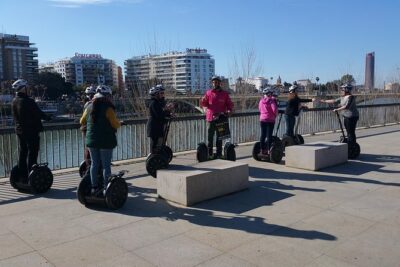
Small-Group Tour: Seville City Center and Plaza España via Segway
Read our review →
Make Seville unforgettable: Private Photoshoot at Plaza de España
Read our review →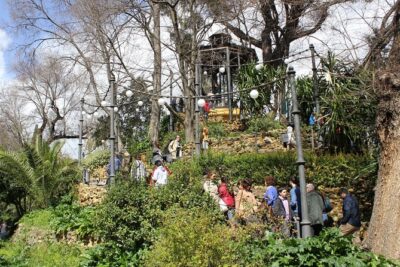
Secretos del Parque María Luisa & Plaza de España Tour en Español
Read our review →
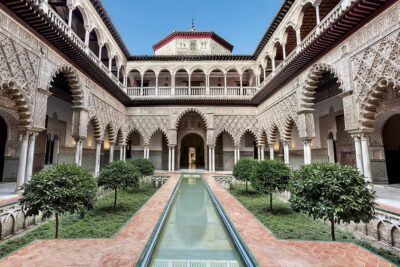
Alcázar,Cathedral and Plaza España Private Tour
Read our review →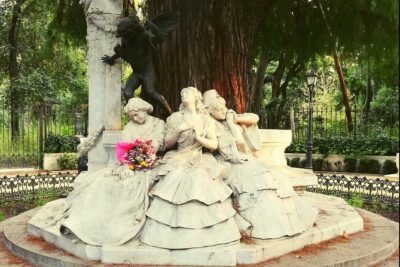
Alcazar, Cathedral, Plaza De España And Maria Luisa Park Private Tour
Read our review →Browse the lists this tour appears in