
Reviewed · SEVILLE MUSEUM AND GALLERY TICKETS
Seville: Museum of Fine Arts Guided Tour
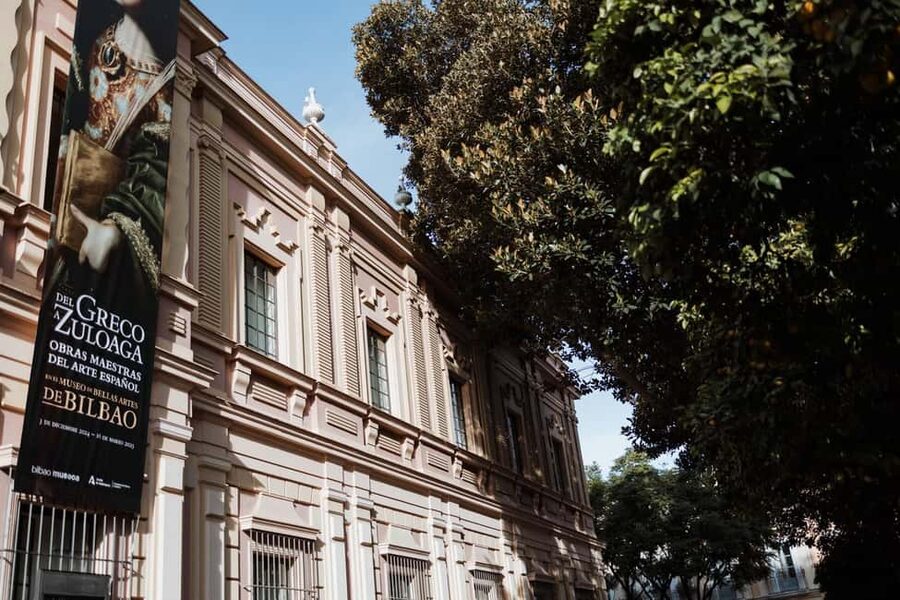
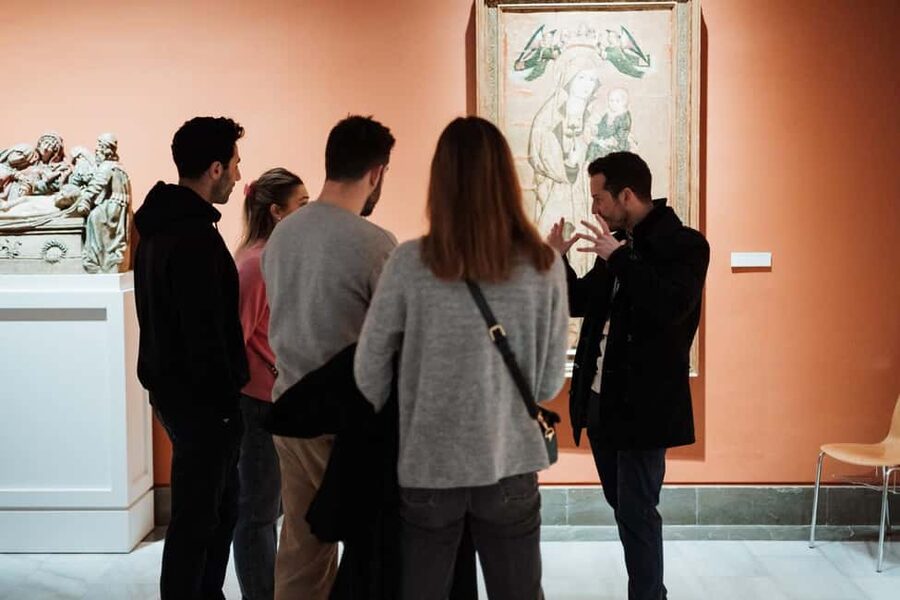
The best thing about this tour is the setting: Seville’s Fine Arts Museum occupies the former Convent of La Merced, where painted halls and quiet cloisters are part of the experience. You move from Gothic religious art to Renaissance sculpture, Baroque drama, and Sevillian scenes without leaving one graceful building.
I like the small group, limited to eight, and the way guides such as Julio Dean Del Junco explain symbolism and local history instead of merely naming paintings. I also like the price, $23, which is fair for admission plus two hours with a licensed guide. The main consideration is time: two hours gives you a strong introduction, not a careful look at every room.
- La Merced’s cloisters: Walk through the Claustro de los Bojes and the Claustro Mayor, two peaceful spaces that make the building itself part of the collection.
- A clear art-history arc: See how Seville’s art changes from Gothic works to Renaissance sculpture and Baroque painting.
- Murillo in focus: Spend time in the room devoted to Bartolomé Esteban Murillo, Seville’s great master of religious and everyday imagery.
- A guide who adds context: Julio is especially good at connecting artists, symbols, historical periods, and Seville’s society.
- A compact group: With no more than eight people, it is easier to hear explanations and ask questions.
- Time to continue alone: After the guided visit, you can remain in the museum and look again at the works that caught your eye.
Why Seville’s Fine Arts Museum deserves two hours
Seville is often introduced through its cathedral, palace, and orange-tree courtyards. The Museum of Fine Arts gives you another way into the city. Here, Seville’s religious life, artistic ambitions, public taste, and local identity appear in paintings and sculpture.
The collection covers several centuries, but this is not a tour where you simply march past a long list of names. The useful part is the connection between the art and the city. A guide can explain why certain religious subjects mattered, how artists used gesture and light, and how Sevillian painters developed a style that became known well beyond Andalusia.
I especially like this kind of museum visit early in a Seville stay. It gives you names and images to recognize later around the city. If you visit churches, convents, or historic squares afterward, you will have a better sense of the artistic world that shaped them.
The museum is also manageable in size for a short guided visit. Two hours is enough to get a strong sense of its main rooms without turning the afternoon into an endurance test. You will not see everything in equal detail, but you should leave with a clear picture of why the museum matters.
Meeting Murillo beside Plaza del Museo
The tour begins at the Asociación Amigos del Museo de Bellas Artes, at Plaza del Museo beside the statue of Murillo. Look for a blue umbrella or a name tag marked Sevilla Guías & Tours.
That meeting point is straightforward, but allow yourself enough time to locate the plaza and gather before the start. Transportation is not included, so you make your own way there. Since the museum is in Seville’s historic center, this is best treated as a walking stop within a day of sightseeing rather than a separate out-of-town excursion.
Your guide leads the group into the museum, with an express security check included. Pets are not allowed. The tour is wheelchair accessible, and the small group format matters here: eight people is a much more comfortable number than a large crowd gathered around one painting.
The guides work in English or Spanish. Julio has led many of the available tours and is frequently praised for his clear English, friendly manner, and ability to answer questions. Lorraine has also guided the museum visit, using humor and a practical storytelling style. The exact guide may vary, but the important point is that this is a live explanation, not a fixed audio recording.
More Seville Museum and Gallery Tickets:
- Seville: Puro Flamenco Show with Optional Museum Ticket
★ 4.8 · 6,088 reviews - Seville Aquarium Admission Ticket
★ 4.6 · 1,947 reviews - Seville: Museum of Illusions Entry Ticket
★ 4.2 · 1,196 reviews
Entering the former Convent of La Merced
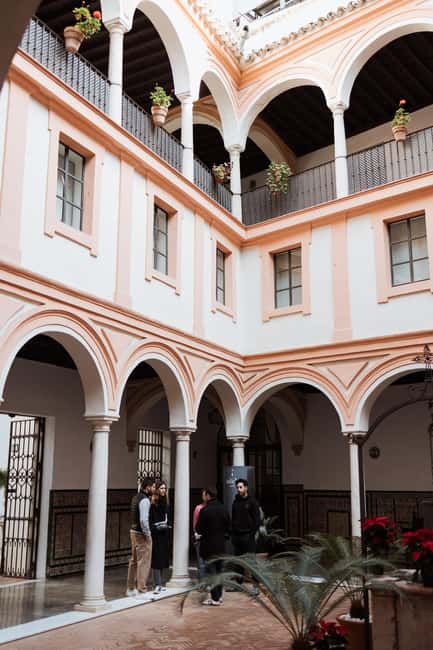
The first pleasure is architectural. The museum occupies La Merced, a former convent with Renaissance and Baroque features. Its courtyards and cloisters give the visit a calm rhythm, a welcome change from Seville’s busy streets.
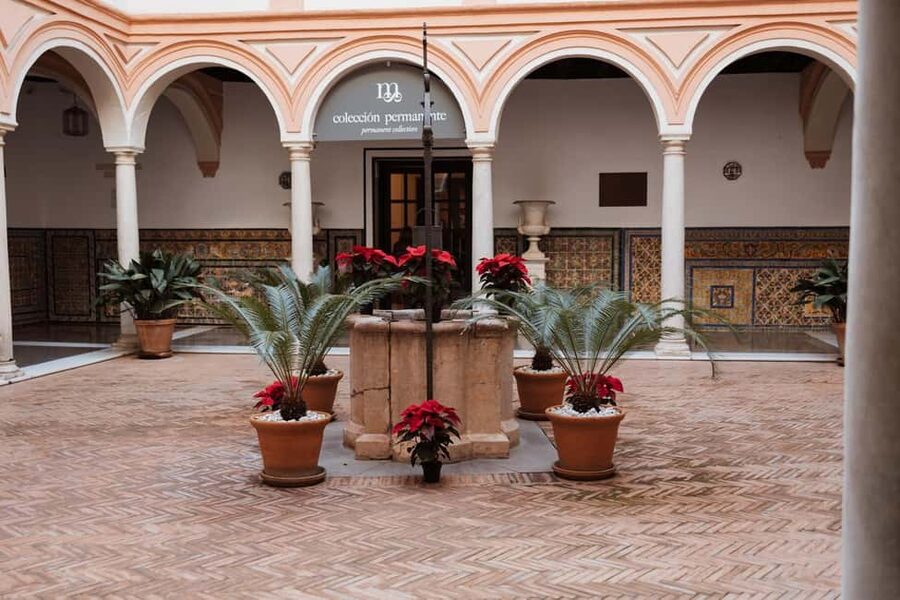
The Claustro de los Bojes and the Claustro Mayor are not just corridors leading from one gallery to another. They frame the museum and help you understand its original purpose. You can pause beneath the arches, look across the open spaces, and see how religious buildings used proportion, light, and decoration to create a sense of order.
This is one reason I would not rush straight to the paintings. The building sets the mood and explains why the collection feels different from a modern gallery. You are seeing art in a former religious setting, surrounded by the kind of architecture that once shaped daily life for the people who commissioned and viewed these works.
A guide can point out the transition from the building’s convent function to its role as a public museum. That change gives the visit extra meaning, especially if you are interested in how Spanish cultural sites are preserved and reused.
From Gothic Seville to Torrigiano’s Saint Jerome
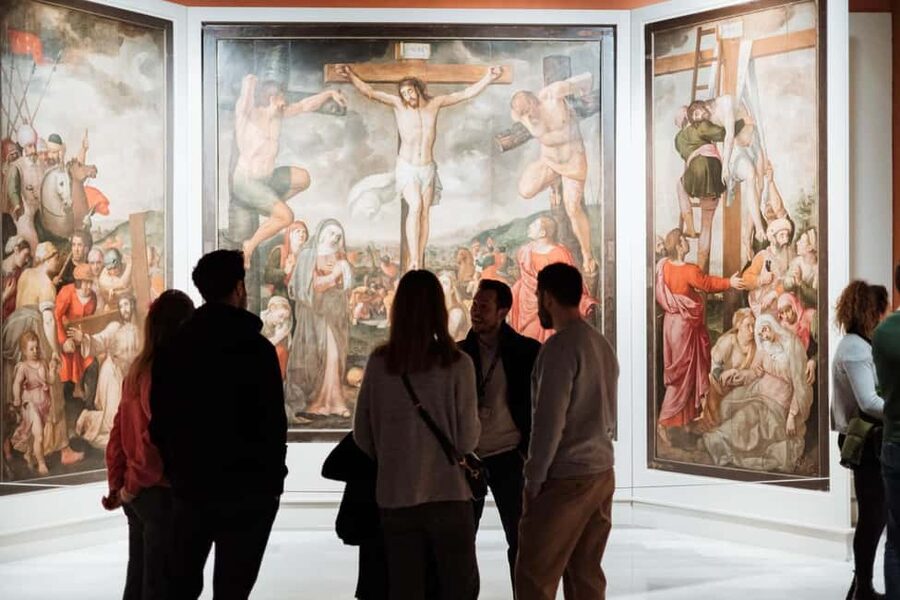
The tour then follows the collection’s artistic development. You encounter Gothic works from Seville and other parts of Andalusia before moving toward the Renaissance and Baroque periods.
The Gothic pieces may feel more formal and less immediately familiar than later paintings. This is where a guide earns the admission price. Instead of treating them as old objects in a dim room, the guide can explain the visual language, religious purpose, and regional setting behind them.
The Renaissance section brings a different balance of space, anatomy, and emotion. One important work is Saint Jerome Penitent by Torrigiano. It offers a chance to see how sculpture could communicate physical strain and spiritual intensity at the same time.
You do not need a background in art to benefit from this part of the tour. A good guide gives you a few things to watch for, such as posture, expression, gesture, and the way the artist directs your eye. Julio is particularly strong at discussing iconography, or the visual clues that help explain who a figure is and what a scene means.
The tour also places Seville within wider European changes. You see an artistic shift taking place over several centuries, but the focus remains local enough to keep the visit grounded in Andalusia.
Murillo’s room and the Baroque heart of the museum
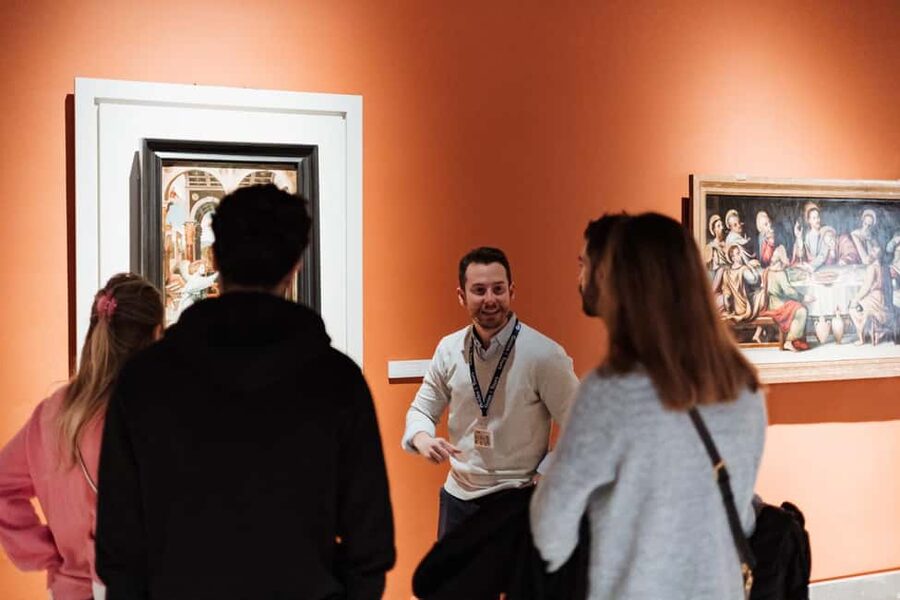
The room dedicated to Bartolomé Esteban Murillo is likely to be the emotional center of the visit. Murillo is closely tied to Seville, and the museum gives you a concentrated look at his work alongside pieces by other major Sevillian artists.
A guide can help you notice more than attractive faces and soft colors. The paintings carry religious messages, social ideas, and details about the people who commissioned them. Look at how figures are arranged, how expressions guide your response, and how ordinary human warmth appears within sacred scenes.
This is also a good place to ask questions. Several visitors found Julio especially effective because he adjusted his explanations to the group. If you already know art history, you can ask about symbolism and interpretation. If you are starting from zero, you can ask the simpler question: what am I looking at, and why did it matter?
The tour does not treat Murillo as an isolated genius. It connects him to Seville and to the broader Baroque world. That context is valuable because it turns a famous name into part of a larger artistic story.
You may also encounter displays of other Sevillian artists, and temporary exhibitions can change the balance of what you see. One past visit included an exhibition of Pedro Roldán’s dynamic wood carvings. That kind of addition is a pleasant bonus, but it should not be assumed to be on view during your visit.
A different sort of afternoon in Seville:
- Seville: Royal Alcázar Entry Ticket
★ 4.6 · 28,378 reviews - Seville: Cathedral and La Giralda Entry Ticket
★ 4.5 · 24,592 reviews - Seville: Live Flamenco Dancing Show Ticket at the Theater
★ 4.7 · 16,396 reviews - Seville: 1-Hour Guadalquivir River Sightseeing Eco Cruise
★ 4.2 · 10,281 reviews
What the guide adds that an audio guide cannot
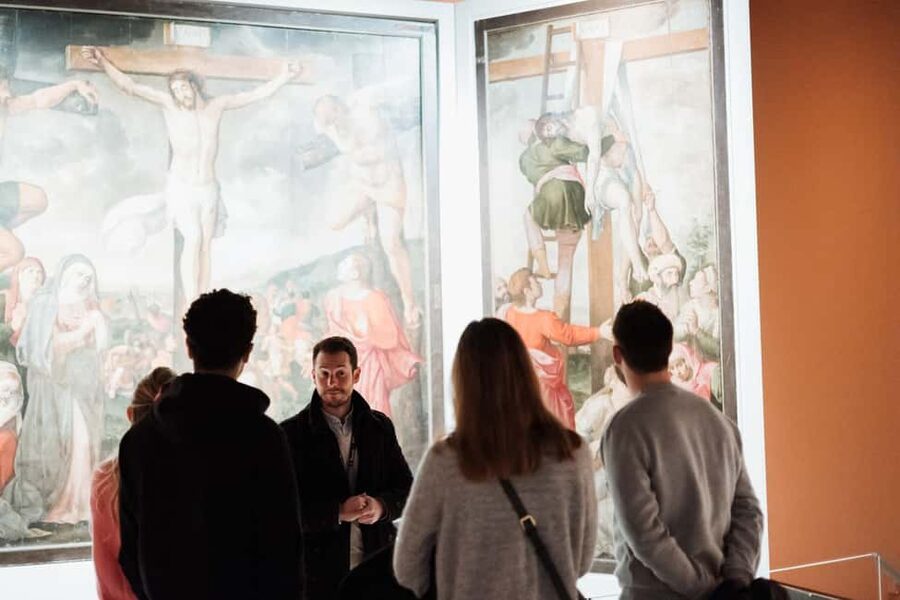
I find guided museum visits most useful when the guide chooses well. No one wants a two-hour recital of every label in the building. This tour works best when the guide selects key works and explains why they deserve your attention.
The strongest part of the guiding is context. Julio has a background in history and art history, and he connects paintings to the period in which they were made. He also explains symbols and relationships between artworks, rather than giving isolated facts.
That approach helps if you are traveling with family members who have different interests. One person can focus on technique, another on Seville’s history, and another on the stories behind the figures. The guide can keep the visit accessible without flattening the subject.
The small group also improves the experience. You can hear without standing shoulder to shoulder with a crowd, and questions do not feel like an interruption. A previous tour member specifically appreciated the use of an earpiece, which made it easier to follow the guide than trying to hear someone speak across a large room.
The style is not identical every time. Julio has received particularly strong praise for warmth, fluency in English, and detailed explanations, while Lorraine was noted for engaging delivery and good humor. If your booking allows you to see the assigned guide in advance, that may help you know what to expect, but the experience is designed around a live licensed guide in either English or Spanish.
A realistic look at the two-hour schedule
The advertised duration is two hours, beginning and ending at the museum meeting point. That is enough for a guided route through the major highlights, but it is not enough to linger over every painting.
Expect the visit to move at a steady pace. You will see the architecture, cloisters, Gothic works, Renaissance sculpture, Baroque paintings, Murillo’s room, and selected works by other Sevillian artists. The guide will decide how long to spend in each area based on the group and the questions being asked.
I recommend keeping the rest of that morning or afternoon flexible. After the guided portion, you can stay in the museum and revisit the paintings you liked. This is a major advantage over a tour that sends you out the door as soon as the guide finishes.
If a particular work catches your attention, make a mental note of it during the tour and return to it afterward. On the second look, you can study the details without trying to listen and observe at the same time.
The two-hour limit is a drawback only if you want a scholarly museum study. For most people, it is a useful first visit. You get structure, explanation, and a clear list of works worth seeing again.
Is $23 a fair price?
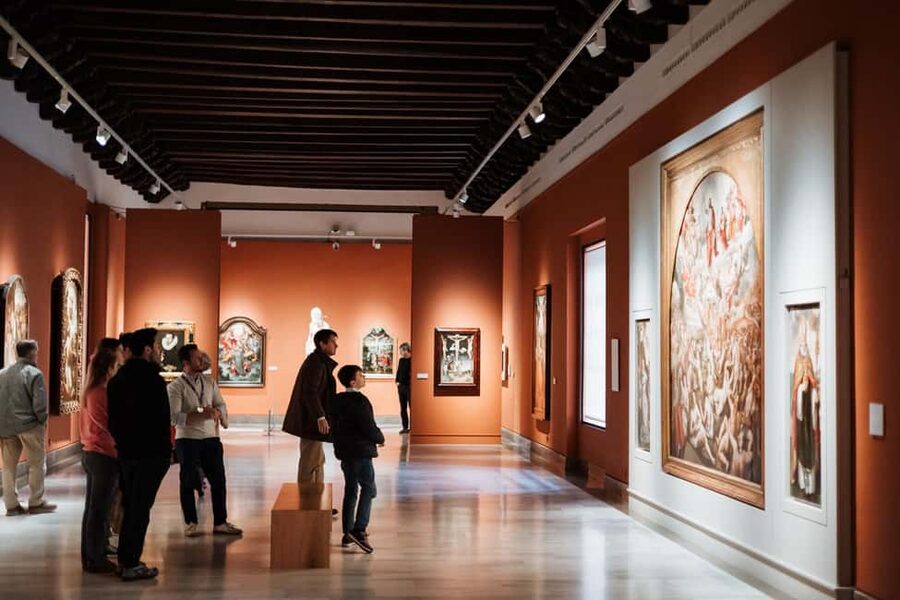
At $23 per person, the value is solid. The fee includes museum admission, a licensed guide, and a small group capped at eight people. You are not paying for transportation, food, or drinks, but those omissions are reasonable for a central museum visit that begins and ends at the same place.
The comparison that matters is not simply ticket price. It is the difference between wandering through unfamiliar religious art alone and having someone explain the visual clues, local background, and historical setting. If you would otherwise rent an audio guide or spend time reading every label, the guided format can save effort and make the collection easier to understand.
The value is strongest for first-time visitors, people with limited time, and anyone who likes art more once a human story is attached to it. If you already know the collection well and prefer to set your own pace, a self-guided visit may suit you better.
The reserve-now-and-pay-later option also helps if your Seville schedule is still changing. Free cancellation is available up to 24 hours before the tour for a full refund. Check the available start times when booking, since the exact schedule is not fixed here.
Who will enjoy this museum tour most?
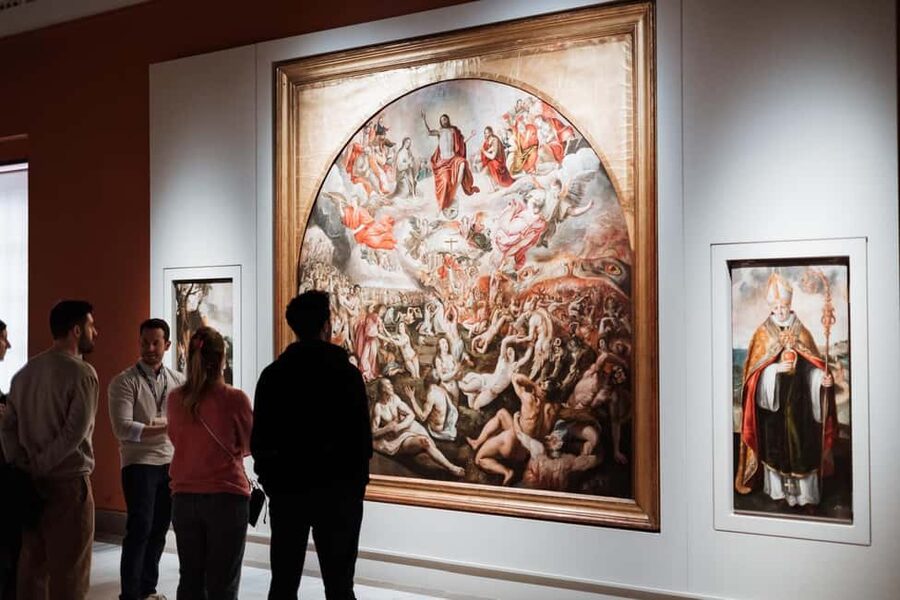
I would recommend it to adults and older children who want an introduction to Spanish and Sevillian art without taking a full day. It is also a good choice for couples or families with mixed levels of art knowledge because the guide can explain the works in plain language while still offering detail.
You do not need to identify Renaissance artists or understand religious symbolism before you arrive. The tour is built to give you that foundation. At the same time, the explanations can go further if you ask about technique, iconography, or the relationship between art and Spanish society.
It suits you less if you want complete freedom to move slowly through every gallery. A group tour has a route and a clock. You will need to follow the guide and accept that some rooms receive more attention than others.
Wheelchair users can book with the knowledge that the activity is listed as wheelchair accessible. Pets are not allowed. Since transportation is not included, plan your route to Plaza del Museo before the start.
Practical tips for getting more from the visit
Read a little about Murillo before you arrive if you have time. Even a basic sense of his place in Seville will make the dedicated room easier to appreciate.
Wear comfortable shoes, but remember that this is a museum visit, not a long walking tour. The main physical challenge is staying on your feet while moving through galleries and cloisters.
Ask questions. The guides are there to explain, and the small group makes conversation practical. Ask about a symbol you do not understand, a sculpture’s material, or why a particular painting belongs in the museum.
If you are taking a broader Seville walking tour later, the museum can provide useful background. Julio has also guided city walks, and art, architecture, and local history fit together naturally here. Even with another guide, the museum gives you a stronger visual frame for the rest of Seville.
Should you book the Museum of Fine Arts tour?
Book it if you want more than a quick look at Seville’s paintings and sculpture. The former convent, the cloisters, Murillo room, Torrigiano sculpture, and Gothic collection create a satisfying two-hour route, while the guide adds the context that labels cannot provide.
At $23, the combination of admission, a licensed guide, and a group of no more than eight is good value. I would especially choose it for a first Seville visit, a rainy or very hot afternoon, or any trip where you want local art to make more sense.
Skip it only if you strongly prefer to explore museums alone or need a very slow, exhaustive visit. For everyone else, this is a focused and friendly way to meet Seville through its art.
FAQ
How long does the Museum of Fine Arts tour last?
The guided tour lasts two hours. Afterward, you may stay in the museum and continue looking at the collection on your own.
Where does the tour meet?
Meet at the Asociación Amigos del Museo de Bellas Artes in Plaza del Museo, beside the statue of Murillo. The guide carries a blue umbrella or wears a name tag marked Sevilla Guías & Tours.
What languages are available?
The live guide is available in English or Spanish.
What is included in the price?
The $23 price includes admission to the Museum of Fine Arts of Seville and an expert licensed guide in a small group. Transportation, food, and drinks are not included.
How many people are in the group?
The group is limited to eight participants, allowing for a more personal visit and easier questions.
Is the museum tour wheelchair accessible?
Yes. The activity is listed as wheelchair accessible. Pets are not allowed.
Just added around Seville
- The Villages of Andalusia: Full-Day Trip from Seville★ 4.8 · 19 reviews
- From Seville: White Villages Tour★ 5.0 · 9 reviews
- White Villages & Ronda 2-Days Trip & Overnight Stay★ 4.6 · 5 reviews
- Your Photo Story in Seville★ 5.0 · 16 reviews
- Triana Market Tapas Tour★ 4.9 · 12 reviews
- Seville: Guided visit of the Casa de Pilatos with entrance tickets★ 4.3 · 18 reviews
- From Seville: Wine Tourism Half Day Tour★ 4.0 · 17 reviews
- Wine tourism, visit to a traditional winery and wine tasting★ 5.0 · 3 reviews
Seville Museum and Gallery Tickets, compared.
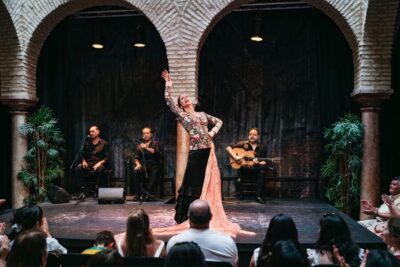
Puro Flamenco Show with Optional Museum Ticket
Read our review →



A Fantastic Visit To The Museum Of Illusions Seville
Read our review →
Combined ticket: Puro Flamenco Show + Flamenco Museum visit
Read our review →Browse the lists this tour appears in