
Reviewed · SEVILLE MUSEUM AND GALLERY TICKETS
Skip the Line: Museo del Baile Flamenco Admission Ticket
Flamenco comes alive here through dance footage, music, costumes, and digital displays rather than a long guided tour. I like the central old-town location, just five minutes from Seville Cathedral and the Giralda, and the chance to see the work of Cristina Hoyos, one of flamenco’s best-known dancers and choreographers, reflected in the museum’s design.
I also like that you can take the visit at your own pace and fit it between major sights. The main caution is simple: this is a small museum, and some exhibits are brief, basic, or difficult to hear. If you expect a full flamenco performance, this ticket will disappoint because the show costs extra.
Key points to know before you go
- Five minutes from the Cathedral and Giralda: Easy to add to a morning or afternoon in Seville’s historic center.
- A short introduction to flamenco styles: Videos and displays cover forms such as Alegría, Soleá, Seguiría, Taranto, Tangos, and Guajira.
- Costumes and performers take center stage: You can see dresses from different periods and learn about notable flamenco artists.
- The live show is not included: Museum admission and performance tickets are separate purchases.
- Allow 30 to 60 minutes: The listed visit window is roughly 45 minutes to 1 hour 30 minutes, but some people finish much faster.
- Best for a first look: It suits you if you want context before seeing a show, not if you want a large traditional museum.
A compact flamenco museum in Seville’s old town

The Museo del Baile Flamenco occupies a renovated eighteenth-century building in the center of Seville. Its location is one of its strongest features. From the Cathedral and Giralda, you need only about five minutes on foot, making it easy to pair with a visit to the Alcázar area, the Jewish Quarter, or nearby plazas.
The setting also gives the museum a useful sense of place. You are not heading to a distant cultural center or spending half a day on public transport. The museum sits among the narrow streets and historic buildings of central Seville, so you can stop in when your sightseeing route already brings you nearby.
Cristina Hoyos founded the museum. She is known as one of the major dancers and choreographers in flamenco, and her name gives the institution a clear connection to the art form rather than to a general Spanish culture display.
The museum is designed as an introduction. It brings together film, sound, costumes, photographs, artwork, and interactive material to explain how flamenco uses different forms of movement, music, and rhythm. You should think of it as a short orientation before a show, or as a compact cultural stop for a day when your schedule is already full.
More Seville Museum and Gallery Tickets:
- Seville: Puro Flamenco Show with Optional Museum Ticket
★ 4.8 · 6,088 reviews - Seville Aquarium Admission Ticket
★ 4.6 · 1,947 reviews - Seville: Museum of Illusions Entry Ticket
★ 4.2 · 1,196 reviews
What you see inside the museum
The visit moves through several small areas rather than a large sequence of grand galleries. The exact experience can depend on how well the interactive equipment is working and how much time you spend with each display.
An early section uses short video material to introduce flamenco. Another, longer video explains seven main dance styles. The named forms include Alegría, Soleá, Seguiría, Taranto, Tangos, and Guajira. These names can blur together when you first encounter them, so even a basic explanation helps you listen and watch with more attention later.
One digital display focuses on dance movements, showing different actions, their names, and why the body is positioned in certain ways. That is one of the more useful parts for a first-time learner because it connects the visible movement with flamenco vocabulary.
You will also find recordings, photographs of famous performers, and short film clips. The goal is not to present every chapter of flamenco’s development. Instead, the museum gives you a quick look at the performers, styles, costumes, and stage language that shape the tradition.
The sound quality is not uniform. Some audio material can be hard to hear, and a few interactive screens may not work properly. If you are keen to understand every detail, do not rush. Move close to the screens, wait for a quiet moment, and give yourself permission to skip a station that is not functioning well.
Costumes, photographs, and the visual side of flamenco
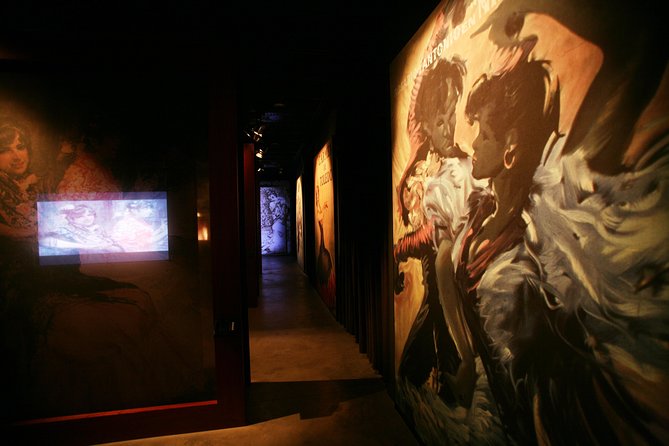
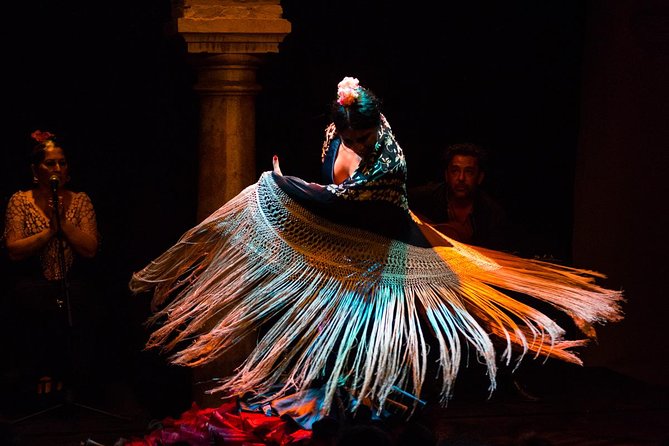
Costumes are an important part of the museum’s appeal. Dresses from different periods show how the look of flamenco has changed, and the displays help connect clothing with the movement of the dance.
Still, keep your expectations measured. This is not a vast costume collection with long labels and extensive background notes. The costume section is fairly small, and the written information can feel limited. You may find the garments visually striking without learning as much about their makers, dates, or construction as you hoped.
The museum also includes photographs and works of art. These give you a sense of the performers who shaped flamenco and show how strongly the art form is tied to image, posture, gesture, and theatrical presence.
Upstairs, a small gallery adds another visual stop. It can be pleasant to browse, but the displays are not heavily explained. You will get more from it if you are happy to look closely and form your own impressions rather than expecting a detailed art-history lesson.
A lower vault contains sections of pre-Roman stone wall. The wall is interesting in its own right, but its connection to flamenco is not especially clear. Consider it an extra historical feature in the building, not a central part of the museum’s story.
The performance space is a separate experience
The museum also houses a performance space, but the admission ticket described here covers the museum only. A live flamenco show must be purchased separately.
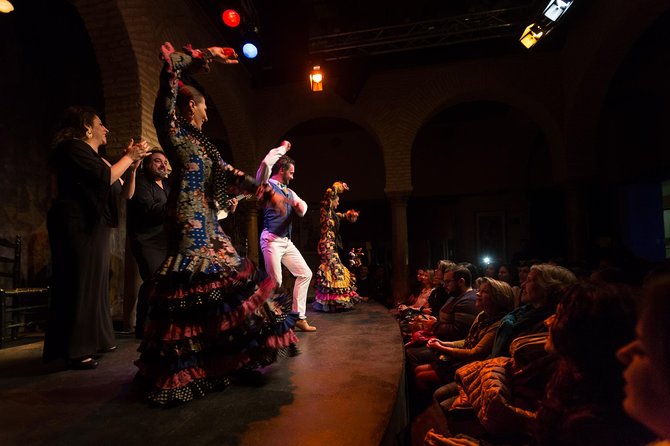
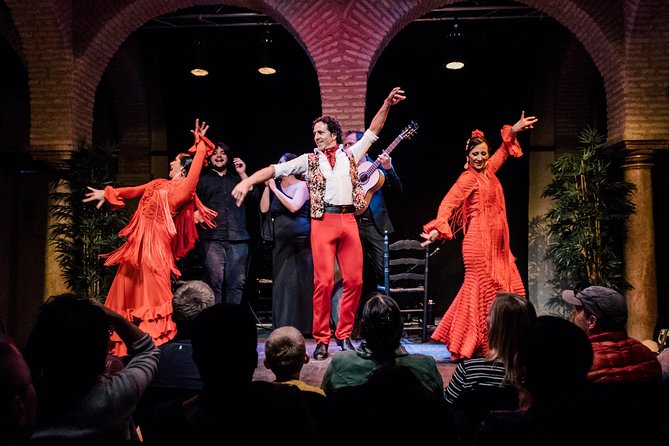
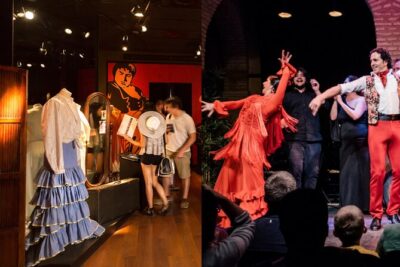
That distinction matters. Several enthusiastic comments about this venue concern the performance rather than the exhibition. The show is described as intimate, with dancers, singers, and a guitarist performing for about an hour. The small setting is part of its appeal, since you are close enough to see the physical effort and precision of the dancers.
The show can sell out, so you should book ahead if seeing live flamenco is your main reason for coming. One useful seating tip is to arrive at least 30 minutes before the performance if you want a better chance of getting a good seat. That advice applies to the show, not to the museum admission.
The performances also have rules about photography and recording. One account praised the fact that phones were not allowed for pictures or video, allowing the audience to focus on the singers and dancers. Check the specific conditions attached to your performance ticket, but do not assume that the museum ticket gives you access to the show.
If you have already seen several flamenco performances, the museum may offer useful background but less excitement. If you have never seen flamenco, the museum and show work well as two separate experiences: first learn a few names and movements, then watch the performers put them to work.
More Skip the Line in Seville:
- Alcazar and Cathedral of Seville Tour with Skip the Line Tickets
★ 4.5 · 4,579 reviews - Alcázar of Seville Skip-the-Line Tickets and Guided Tour
★ 4.6 · 3,941 reviews - Seville: Alcazar Skip-the-Line Guided Tour with Tickets
★ 4.3 · 2,188 reviews - Skip the Line: Tablao Flamenco Pura Esencia Ticket
★ 5.0 · 735 reviews
How long should you allow?
The advertised duration ranges from about 45 minutes to 1 hour 30 minutes. In practical terms, I would plan for 30 to 60 minutes, with extra time if you read every panel, watch all the videos, or stop at each interactive station.
A quick visit can be much shorter. Some people move through the galleries in 15 to 20 minutes, especially if they are not interested in the videos or encounter displays that are not working. That does not make the museum useless, but it shows why the value depends on your expectations.
You can make the visit more worthwhile by giving the main dance-style video enough time. The screens explaining body movements are also worth a pause. The costumes and photographs are best treated as visual highlights rather than a full research collection.
The museum allows entry during the hours stated on your ticket, from 11:00 a.m. to 6:00 p.m., with last entry at 6:00 p.m. On the first Monday of each month, it opens at 4:00 p.m. Plan around that late opening if your Seville visit falls on that day.
Is the $7.15 ticket good value?
At $7.15 per person, the museum ticket is inexpensive by Seville sightseeing standards. One admission price reported at the door was €6, so the online price is not necessarily a major bargain. Its main benefit is the convenience of securing admission before you arrive.
That matters most if you have a tight schedule or want to combine the museum with the Cathedral and Giralda. You can book a mobile ticket, walk over from the surrounding old town, and avoid spending time wondering if the museum is open or available.
The price is easier to justify if you are curious about flamenco but do not yet know the difference between its major forms. It is less convincing if you expect a large collection, extensive explanations, or a full cultural museum devoted to every part of Andalusian music and dance.
Do not buy this ticket thinking it includes a performance. The DVD, souvenir photos, and live show are all extra purchases. If your goal is a night of music and dance, compare the separate show price and availability before choosing the museum ticket.
Who will get the most from this visit?
I would recommend the museum to you if you meet one or more of these conditions:
- You are already near the Cathedral or Giralda.
- You have never studied flamenco and want a quick introduction.
- You enjoy short museums with video and interactive displays.
- You want to understand a little more before attending a live performance.
- You have less than an hour between larger Seville sights.
- You are interested in Cristina Hoyos and major flamenco performers.
Families may also find the movement displays and videos easier to approach than long written exhibits. Most people can participate, and the museum is near public transport. The maximum group size is 80, but the museum itself is compact, so a busy period could feel crowded around the screens.
I would be more cautious if you want a detailed academic account of flamenco, a major costume archive, or a large number of original objects. The explanations are not always extensive, some sound equipment can be weak, and the small exhibition may take less time than the advertised maximum.
How to plan the museum with Seville sightseeing
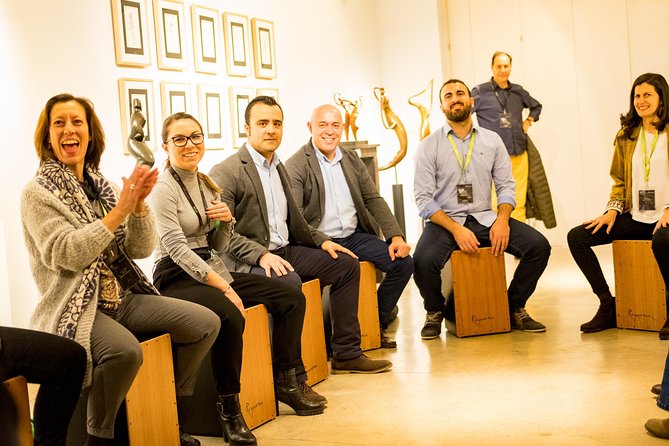
The museum’s location makes it easy to build into a walking day. You could visit the Cathedral and Giralda first, then walk over for a short change of pace. You could also come before dinner or before a separate flamenco performance.
Because the museum is close to major landmarks, you do not need to create a special transport plan. It is near public transportation, but the old-town setting means many people will simply reach it on foot from other central sights.
I would avoid scheduling it as your only cultural activity in Seville. The museum works best as one piece of a larger day. Pair it with the city’s historic center, then decide if you want to return for the separate show or attend a performance elsewhere.
The mobile ticket is practical. Keep it ready on your phone, and remember that the admission window runs from 11:00 a.m. to 6:00 p.m., except for the later opening on the first Monday of the month.
Book it or skip it?
Book the museum if you want a short, central, low-cost introduction to flamenco and you already plan to be near Seville Cathedral. The videos, movement display, costumes, and photographs can give you enough background to watch a live performance with a sharper eye.
Skip it if you are buying it mainly to see dancers perform, since the show is not included. You may also want to skip it if you prefer large museums with extensive labels and substantial collections.
My practical choice would be this: buy the museum ticket when you have 30 to 60 minutes to spare and a genuine interest in flamenco. If the performance is the real goal, reserve the show separately and treat the museum as an optional prelude, not a substitute.
FAQ
Where is Museo del Baile Flamenco?
The museum is in Seville’s old town, about five minutes on foot from the Cathedral and the Giralda.
What are the museum’s opening hours?
Visits take place from 11:00 a.m. to 6:00 p.m., with last entry at 6:00 p.m. On the first Monday of each month, the museum opens at 4:00 p.m.
How long does the museum visit take?
The stated duration is about 45 minutes to 1 hour 30 minutes. A shorter visit of 30 to 45 minutes may be enough if you move quickly through the displays.
Is the live flamenco show included?
No. The admission ticket includes the museum only. The flamenco show is available to purchase separately.
Can I buy souvenirs at the museum?
Yes. Souvenir photos and a DVD are available for purchase, but they are not included in the admission price.
Can I use a mobile ticket?
Yes. The experience provides a mobile ticket, and confirmation is received at the time of booking.
Can I cancel for a full refund?
Yes, if you cancel at least 24 hours before the experience start time. Cancellations made less than 24 hours in advance are not refunded, and changes are not accepted within that same 24-hour period.
Just added around Seville
- The Villages of Andalusia: Full-Day Trip from Seville★ 4.8 · 19 reviews
- From Seville: White Villages Tour★ 5.0 · 9 reviews
- White Villages & Ronda 2-Days Trip & Overnight Stay★ 4.6 · 5 reviews
- Your Photo Story in Seville★ 5.0 · 16 reviews
- Triana Market Tapas Tour★ 4.9 · 12 reviews
- Seville: Guided visit of the Casa de Pilatos with entrance tickets★ 4.3 · 18 reviews
- Wine tourism, visit to a traditional winery and wine tasting★ 5.0 · 3 reviews
- Yoga at María Luisa Park in Seville★ 5.0 · 17 reviews
Seville Museum and Gallery Tickets, compared.
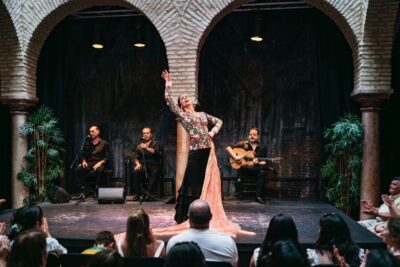
Puro Flamenco Show with Optional Museum Ticket
Read our review →
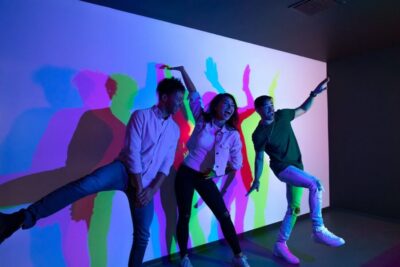

A Fantastic Visit To The Museum Of Illusions Seville
Read our review →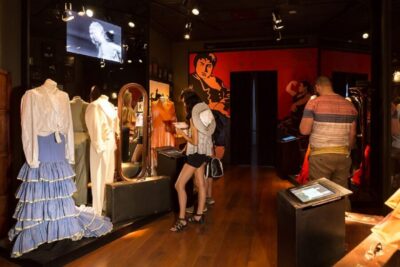
Combined ticket: Puro Flamenco Show + Flamenco Museum visit
Read our review →Browse the lists this tour appears in