
Reviewed · SEVILLE MUSEUM AND GALLERY TICKETS
Seville: Museum of Flamenco Dance Admission Ticket
Flamenco is more than a dance you watch on a stage. At Seville’s Museo del Baile Flamenco, you can examine its costumes, learn its main styles, and follow how a popular Andalusian art became a major cultural institution. The museum sits about five minutes on foot from the Cathedral and the Giralda, so it fits neatly into a day in the Old Town.
I like two things here: the low $7 price and the freedom to visit any time during your ticketed day. I also like that the museum was founded by Cristina Hoyos, one of flamenco’s best-known dancers and choreographers. The main caution is simple: this ticket covers the museum only, not the flamenco performance, and one-hour admission may feel brief if you stop for every interactive display.
Key points to know
- Five minutes from the Cathedral: The museum is easy to add before or after Seville’s main sights.
- Founded by Cristina Hoyos: The museum has a direct link to one of Spain’s leading flamenco artists.
- Six flamenco styles explained: Look for Alegría, Soleá, Seguiríya, Taranto, Tangos, and Guajira.
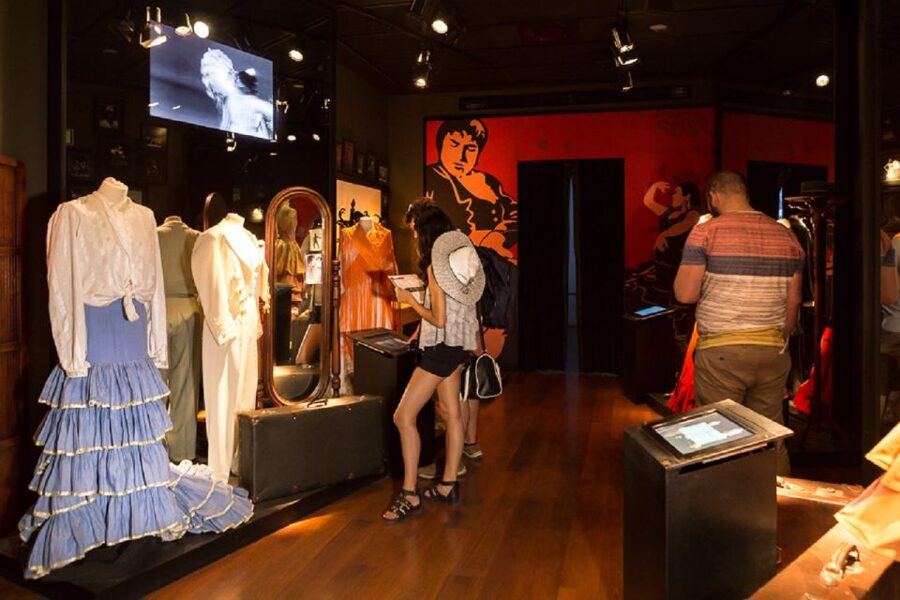
- Costumes and artwork take center stage: Dresses from different periods help show how flamenco has changed.
- The ticket is museum admission only: A flamenco show costs extra and is not part of this activity.
- Flexible one-hour visit: Enter between 11:00 and 18:00 on the date allowed by your ticket, except on the first Monday of the month.
Finding the Flamenco Museum in Seville’s Old Town
The museum is at Calle Manuel Rojas Marcos, 3, in central Seville. From the Cathedral and Giralda, it is about a five-minute walk, making this an easy stop during a sightseeing day rather than a separate trip across the city.
You meet at the museum ticket office. The central location matters because Seville’s Old Town rewards short, well-placed visits. You can see the Cathedral, walk over to the museum, then continue through the historic center without arranging transport or allowing extra travel time.
The building’s location also shapes the visit. You are not heading to a distant cultural center or a large modern complex. You are entering a focused museum in the heart of Andalusia, close to the places where many visitors already spend their time.
More Seville Museum and Gallery Tickets:
- Seville: Puro Flamenco Show with Optional Museum Ticket
★ 4.8 · 6,088 reviews - Seville Aquarium Admission Ticket
★ 4.6 · 1,947 reviews - Seville: Museum of Illusions Entry Ticket
★ 4.2 · 1,196 reviews
What the One-Hour Visit Covers
Plan on roughly one hour, though the ticket gives you room to move at your own pace during the permitted opening hours. The displays cover flamenco’s origins, styles, costumes, props, and artwork.
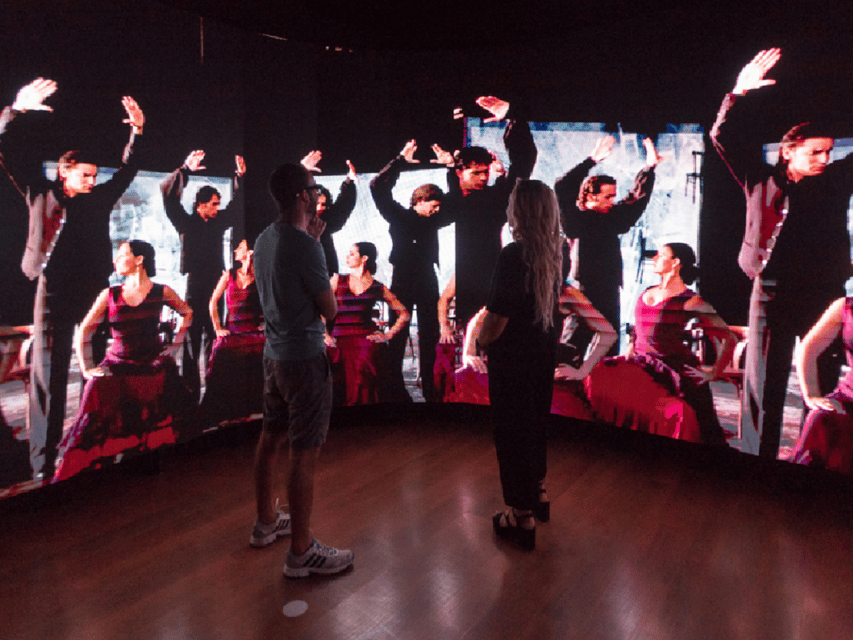
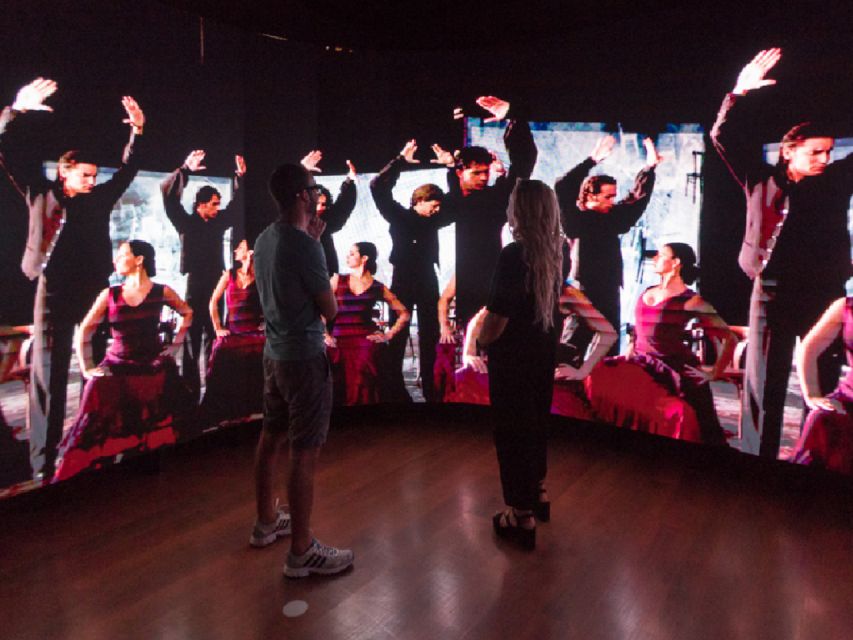
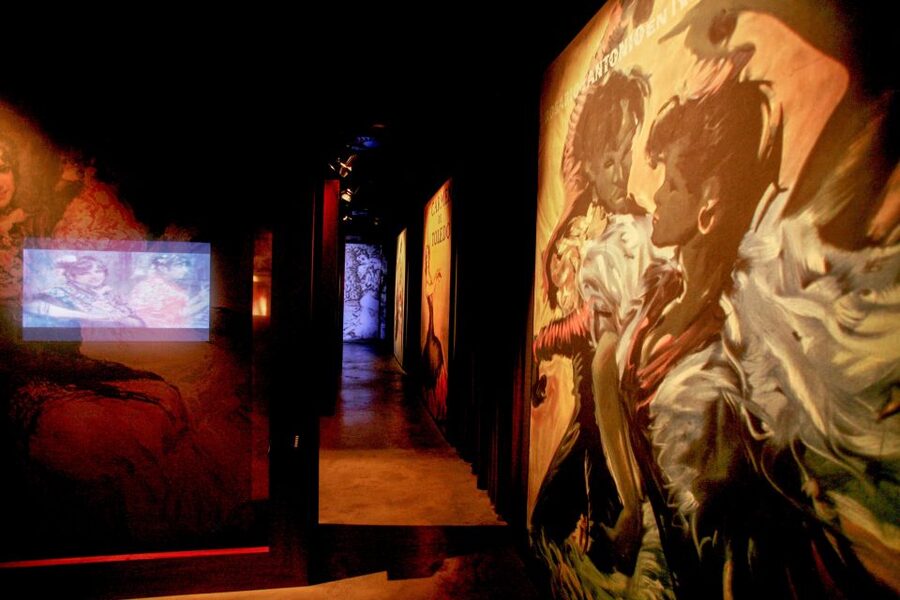
The museum uses interactive screens as well as physical objects. That mix is useful because flamenco can be hard to understand from a short written description alone. A costume shows the visual side of the art, while a screen can help explain the differences between forms such as Soleá and Guajira.
You will encounter six named styles: Alegría, Soleá, Seguiríya, Taranto, Tangos, and Guajira. The names may be familiar to serious flamenco fans, but the museum gives you a starting point if you are new to the subject.
The visit is not laid out as a long guided walk with a named guide. Instead, you explore the exhibits yourself. That makes the timing flexible, but it also means the quality of your visit depends on how much time you give the displays.
One practical tip: do not race through the rooms simply because the suggested duration is one hour. One visitor found the visit short but said there was more audio and information to hear, especially in room three. That detail suggests you should allow extra time for the listening and interactive elements if you want more than a quick look at the dresses.
Seeing Flamenco Through Costumes and Props
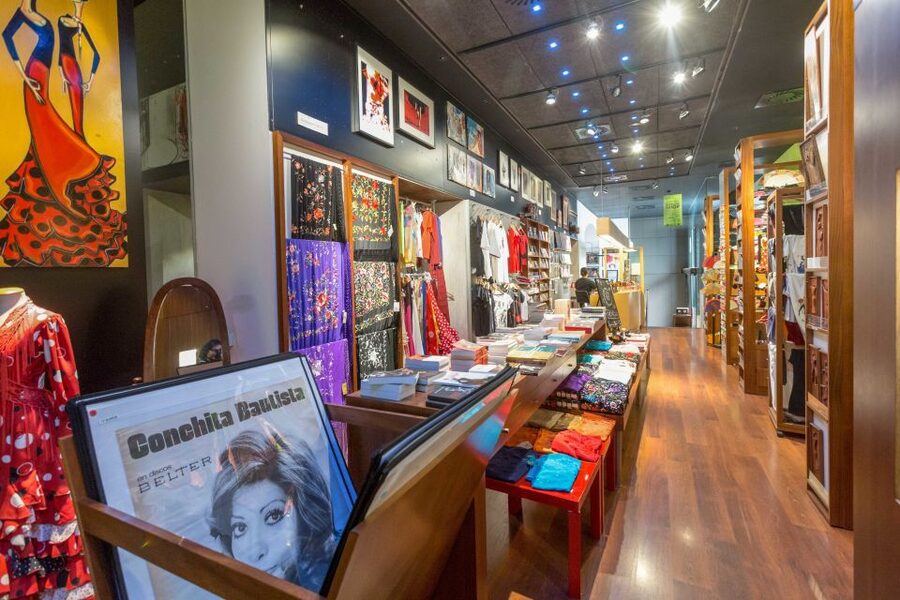
The costumes are among the most immediate parts of the museum. Dresses from different periods let you see how flamenco clothing has changed over time. You can look closely at the cut, decoration, and movement of the garments rather than seeing them only as part of a fast performance.
That distinction is important. Onstage, your eye follows the dancer’s footwork, posture, and expression. In a museum, you can focus on the clothing itself and think about how fabric and design support the dance.
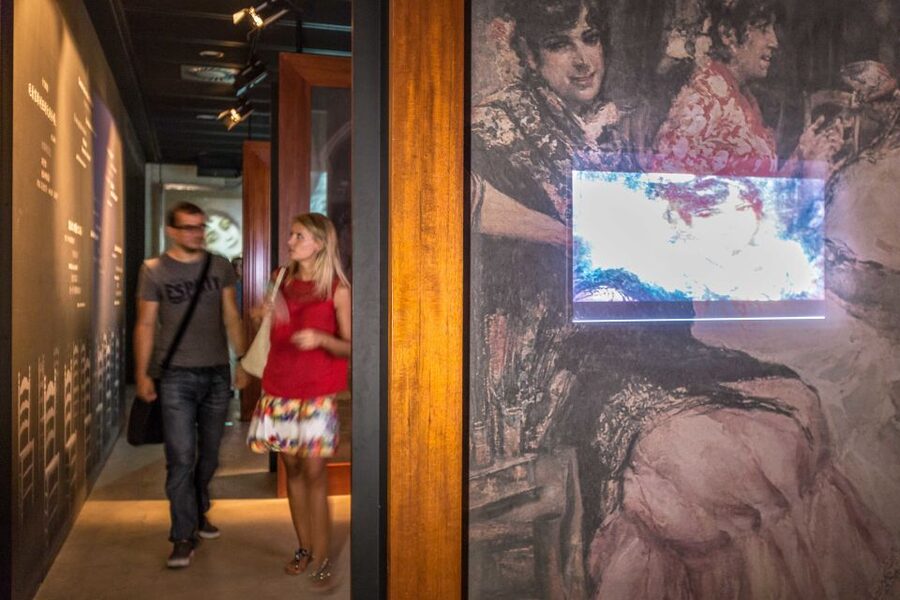
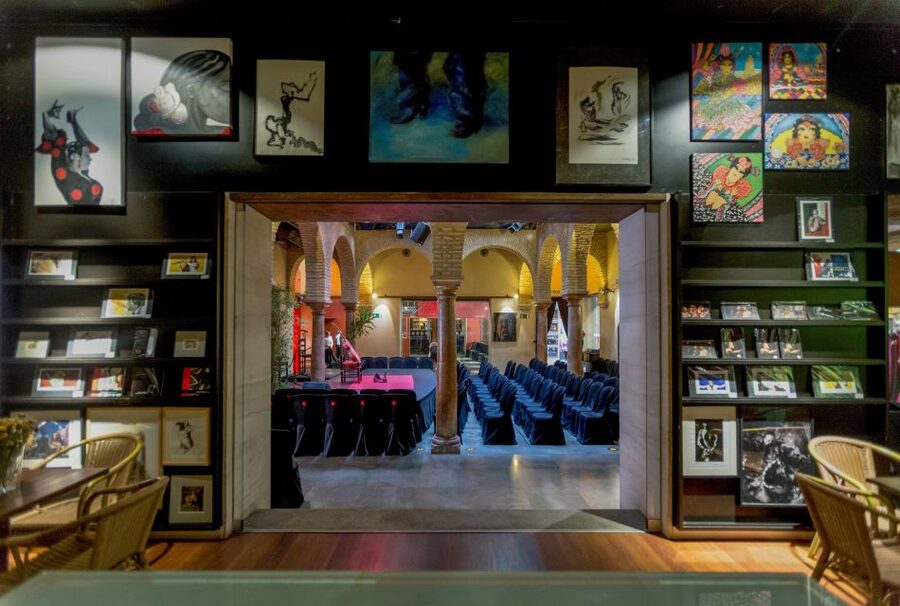
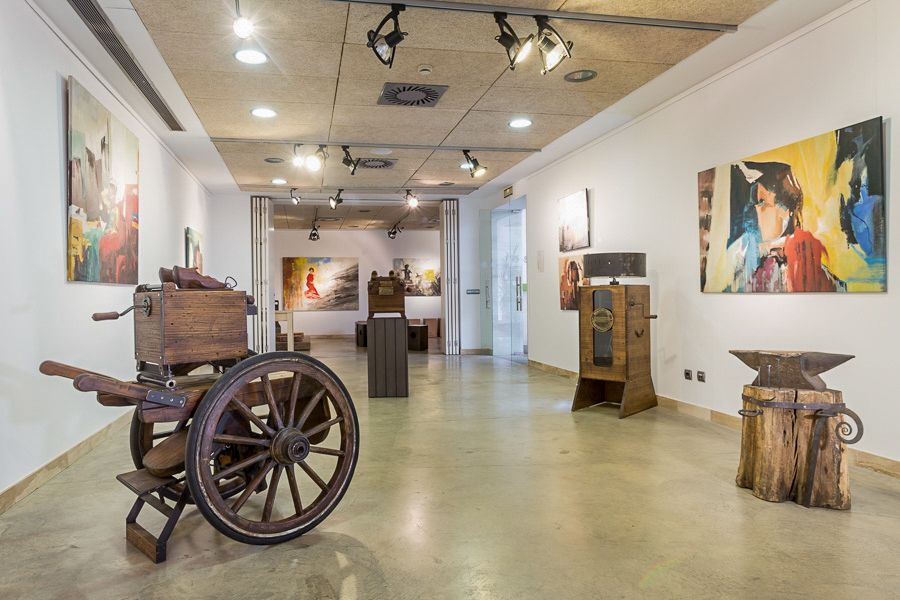
Props and artwork add another layer. The museum presents flamenco not just as a performance but as a cultural form surrounded by visual art and stage objects. For someone who plans to attend a show later, this background can make the performance easier to follow.
The displays also help explain flamenco’s change from popular folk art to a recognized cultural institution. That broad story is one of the museum’s main purposes. You are not simply looking at old dresses. You are seeing how a living Andalusian art developed and gained a formal place in Spain’s cultural life.
Still, keep your expectations in check. This is a compact museum visit, not a full performance or an extended lecture. If you mainly want the emotional force of live singing, guitar, and dance, admission alone will not provide it.
Understanding Alegría, Soleá, Seguiríya, and More
Flamenco is not one single dance with one fixed mood. The museum introduces several styles, including Alegría, Soleá, Seguiríya, Taranto, Tangos, and Guajira.
The value here is comparison. You can move from one style to another and begin to see that flamenco contains different forms and traditions. Even if you do not yet recognize each style by sound or movement, the museum gives you names and context to carry into a later performance.
The interactive displays are especially useful for this purpose. They offer more than a row of labels beside costumes. You may find audio or screen-based material that lets you spend longer with a topic, and room three appears to have more material than a hurried visit allows.
I would treat the museum as preparation for seeing flamenco live, not as a replacement for a show. After learning a few style names and seeing how the art is presented, you will have more to watch for in a performance. You may notice that the dance is not just a sequence of steps but a conversation between style, costume, music, and expression.
The museum’s educational approach also makes it suitable for first-time visitors who want some context before booking a show. But if you already know flamenco well, you may find the displays too basic unless you take time with the audio and interactive material.
A different sort of afternoon in Seville:
- Seville: Royal Alcázar Entry Ticket
★ 4.6 · 28,378 reviews - Seville: Cathedral and La Giralda Entry Ticket
★ 4.5 · 24,592 reviews - Seville: Live Flamenco Dancing Show Ticket at the Theater
★ 4.7 · 16,396 reviews - Seville: 1-Hour Guadalquivir River Sightseeing Eco Cruise
★ 4.2 · 10,281 reviews
Cristina Hoyos and the Museum’s Point of View
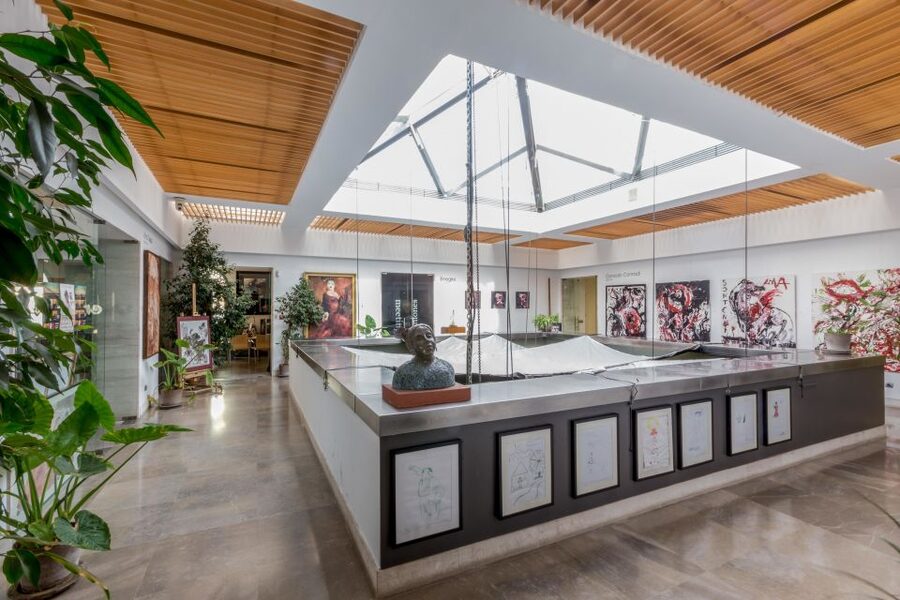
Cristina Hoyos founded the museum. She is described as one of the most famous dancers and choreographers in flamenco history, so her connection gives the museum a clear artistic link rather than making it a general-purpose culture exhibit.
That matters because flamenco can be difficult to explain from the outside. A museum built around the work of a major dancer has a natural focus on movement, costumes, performance, and the people who shaped the art.
You should not expect a personal meeting with Cristina Hoyos or a guided tour by her. Her importance here is as the founder of the institution. The ticket provides access to the museum’s exhibits, not a special artist presentation.
For me, that connection is one of the strongest reasons to include the museum in a Seville plan. You are visiting a place created specifically around flamenco dance, in the city where the art has deep importance, rather than squeezing a few flamenco objects into a much larger museum.
Museum Admission Versus the Flamenco Show
The most important booking detail is the difference between museum entry and performance admission. This $7 ticket includes the Flamenco Dance Museum only. It does not include the Flamenco Dance Museum show.
That distinction can change your decision. A visitor who expected the museum to carry the full emotional impact of flamenco felt the separate show would have been the better choice. If your main goal is to see dancers perform, you should budget for the show instead of assuming museum admission includes it.
If you have time and interest, the two experiences serve different purposes. The museum gives you costumes, artwork, styles, and background. The show gives you the live energy that a display cannot provide. Taking both would create a fuller picture, but the museum ticket alone remains a low-cost cultural stop.
I would choose the museum on its own if you have an hour between major sights, want context before a performance, or enjoy costumes and museum displays. I would choose the show first if your Seville plans allow only one flamenco activity and you want the art in motion.
Is $7 Good Value for an Hour?
At $7 per person, the museum is inexpensive by Seville sightseeing standards. The price works best when you think of it as a focused cultural stop, not a full half-day attraction.
A one-hour visit for $7 is reasonable if you use the displays carefully. You can study costumes, listen to the material in the rooms, compare styles, and examine artwork without committing a large part of your day or spending much money.
The value drops if you expect a live performance, a long guided tour, or a large collection. The museum ticket includes none of those things. Its appeal lies in a short, central introduction to flamenco.
The flexible entry window helps. You can visit at any time from 11:00 to 18:00, with last entry at 18:00, on the date and time conditions attached to your ticket. That makes it easier to fit around the Cathedral, Giralda, lunch, or an evening show.
On the first Monday of each month, the museum opens at 16:00 instead. Keep that in mind if you plan a morning visit on that day. Otherwise, the regular hours give you a broad window for a stop.
Who Will Get the Most From This Visit?
The museum suits several kinds of visitors:
- First-time flamenco audiences who want basic context before seeing a show.
- Art and costume lovers who prefer to study clothing and objects at close range.
- Short-stay visitors who need a compact activity near the Cathedral.
- Families or mixed groups who may appreciate interactive screens and a self-guided pace.
- Flamenco fans who want to see costumes, props, and material connected to the dance.
It may be less satisfying if you want a performance above all else. It may also feel limited if you already know the major styles and expect a large research collection.
The museum is wheelchair accessible, which makes it a practical option for visitors who need an accessible cultural activity in central Seville. The available information does not give further details about individual exhibit access, so you may want to confirm any specific requirements before booking.
How to Plan Your Time Inside
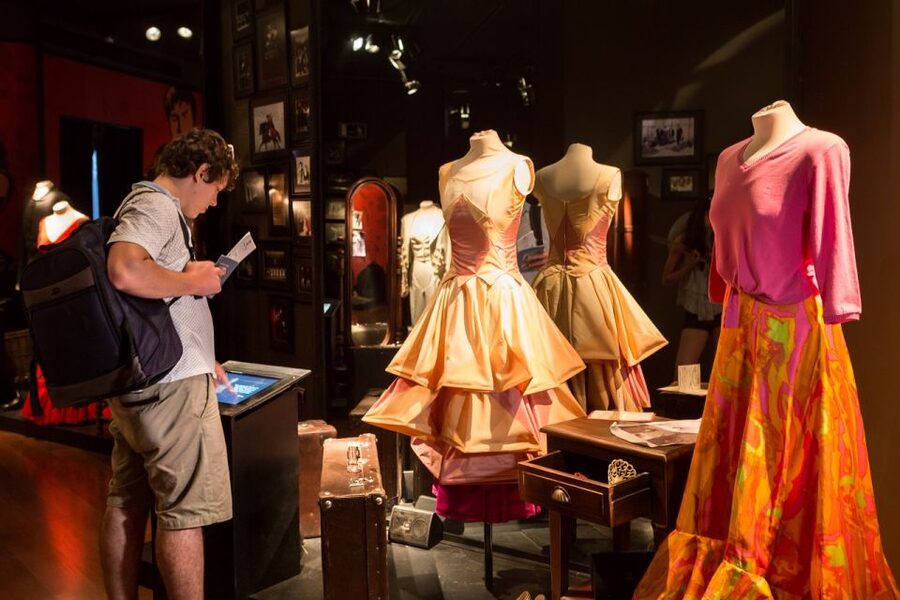
Give yourself the full hour rather than assuming you can see everything in a quick pass. Start by looking at the overall story of flamenco, then spend more time with the costumes, styles, and interactive screens that interest you most.
Room three deserves particular attention. One visitor found that there was more to listen to there than expected, which means a rushed visit could leave some of the museum’s information unheard.
Because entry is available throughout the stated daytime window, you do not need to treat the visit like a tightly timed guided tour. Arrive after another Old Town sight, or use it as a quiet cultural break before an evening performance.
The museum does not appear to require a separate meeting point beyond the ticket office. Go to Calle Manuel Rojas Marcos, 3, and allow enough time to find the entrance in the Old Town.
Booking Flexibility and Practical Details
You can cancel up to 24 hours in advance for a full refund. You can also reserve now and pay later, which helps if your Seville schedule is still changing.
The ticket is for one person and costs $7. The listed duration is one hour, though you can spend longer with individual displays within the museum’s operating hours if your ticket permits it.
The activity is wheelchair accessible. The supplied information does not name a guide or list a guided-tour language, so you should expect a self-guided museum visit rather than a tour led by a particular person.
Remember the opening exception: on the first Monday of each month, the museum opens at 16:00 rather than 11:00. On regular days, visits take place from 11:00 to 18:00, with last entry at 18:00.
Should You Book the Flamenco Museum?
Book it if you want a cheap, central introduction to flamenco and enjoy learning through costumes, artwork, props, and interactive displays. The link to Cristina Hoyos, the six named styles, and the easy walk from the Cathedral give the visit real purpose.
Do not book it as a substitute for a flamenco show. The ticket does not include a performance, and the museum may feel too small or too quiet if live dance is your main reason for coming.
My practical choice would be this: add the museum when you have an open hour in the Old Town, especially if you plan to see a show later. If you can pay for only one flamenco activity, choose according to your goal. Pick the museum for context and costumes. Pick the show for live performance.
FAQ
Where is the Flamenco Dance Museum?
It is at Calle Manuel Rojas Marcos, 3, 41004 Sevilla, Spain, in Seville’s Old Town.
How far is the museum from the Cathedral and Giralda?
The museum is about a five-minute walk from the Cathedral and the Giralda.
How much does museum admission cost?
The listed price is $7 per person.
How long does the museum visit take?
The stated duration is one hour. You can spend longer with individual displays during the permitted opening hours if your ticket allows it.
What are the museum’s regular opening hours?
Visits can be made from 11:00 to 18:00, with last entry at 18:00.
Does the museum open at the same time every day?
No. On the first Monday of each month, it opens at 16:00 instead of 11:00.
Is the flamenco show included with the museum ticket?
No. The Flamenco Dance Museum show is not included.
Who founded the Flamenco Dance Museum?
The museum was founded by Cristina Hoyos, a famous dancer and choreographer.
Which flamenco styles are presented?
The museum presents Alegría, Soleá, Seguiríya, Taranto, Tangos, and Guajira.
Is the museum wheelchair accessible?
Yes, the activity is listed as wheelchair accessible.
Just added around Seville
- The Villages of Andalusia: Full-Day Trip from Seville★ 4.8 · 19 reviews
- From Seville: White Villages Tour★ 5.0 · 9 reviews
- White Villages & Ronda 2-Days Trip & Overnight Stay★ 4.6 · 5 reviews
- Your Photo Story in Seville★ 5.0 · 16 reviews
- Triana Market Tapas Tour★ 4.9 · 12 reviews
- Seville: Guided visit of the Casa de Pilatos with entrance tickets★ 4.3 · 18 reviews
- From Seville: Wine Tourism Half Day Tour★ 4.0 · 17 reviews
- Wine tourism, visit to a traditional winery and wine tasting★ 5.0 · 3 reviews
Seville Museum and Gallery Tickets, compared.
Puro Flamenco Show with Optional Museum Ticket
Read our review →

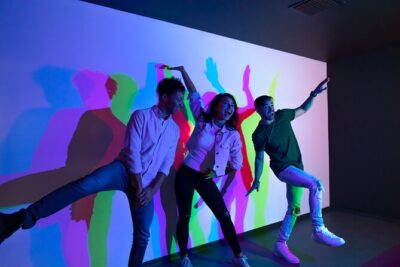
A Fantastic Visit To The Museum Of Illusions Seville
Read our review →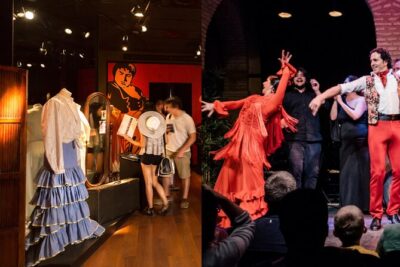
Combined ticket: Puro Flamenco Show + Flamenco Museum visit
Read our review →
Browse the lists this tour appears in