
Reviewed · ITALICA ROMAN CITY TOURS
Excursion to Italica from Seville
Italica gives you a rare chance to walk through an actual Roman city rather than simply admire a few scattered ruins. In Santiponce, less than 20 minutes from Seville, you’ll see broad ancient streets, detailed mosaics, thermal baths, Roman houses, and one of Europe’s largest amphitheaters. I especially like the small group limit of eight and the combination of Roman ruins with San Isidoro del Campo, a very different medieval site. The main drawback is time: the archaeological site deserves a slow look, yet this half-day outing has to cover two major places.
I also like that guides such as Miguel and Francisco bring the story beyond the stones, linking Italica with Seville, Spain, and the emperors Trajan and Hadrian. You should be ready for a fair amount of walking and outdoor exposure, though the air-conditioned vehicle makes the short transfer easy. Food and drinks are not included, so plan around the morning schedule.
Key points to know before you book
- Italica was Rome’s first city on the Iberian Peninsula, founded more than 2,000 years ago near modern Seville.
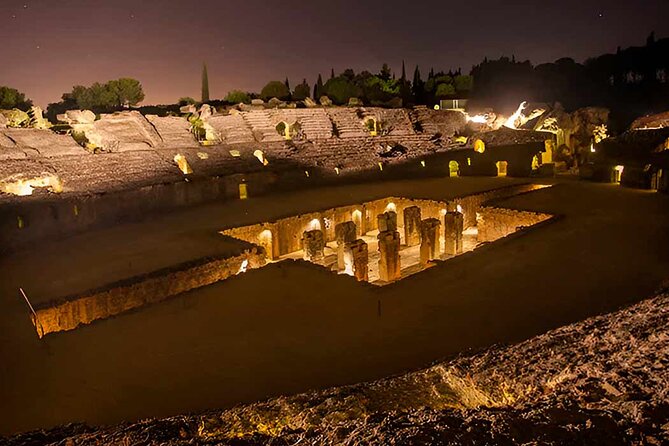
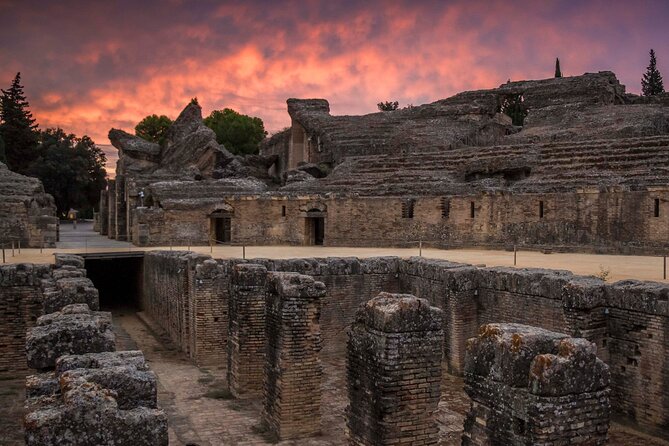
- The amphitheater held about 25,000 spectators, making it the biggest visual moment of the visit.
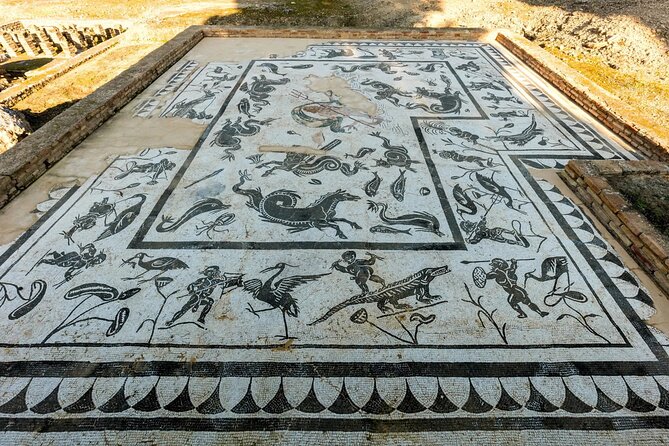
- Mosaics and Roman houses are central to the tour, especially the House of Neptune and House of the Birds.
- San Isidoro del Campo adds a medieval counterpoint, with Mudejar, Gothic, and Baroque features.
- The group is capped at eight people, which makes questions and conversation with the guide easier.
- The full outing lasts about five hours, with transportation, admission, and a guide-driver included.
Why Italica is worth half a day from Seville
Seville is packed with famous buildings, tapas bars, and grand plazas, so it can be tempting to remain in the city center. Italica offers something different: a chance to see how Roman urban life was laid out and how much of that plan remains visible.
The settlement was founded more than 2,000 years ago in what is now Santiponce. Its connection with emperors Trajan and Hadrian gives the site added importance, but the appeal is not limited to imperial names. You can follow the old streets, look into houses, and study the decorative floor mosaics that once formed part of private Roman life.
I find this kind of archaeological visit more rewarding when a guide helps explain what you are seeing. Without context, a broken wall can look like just another old wall. With a guide, the position of a house, the scale of a bath complex, or the design of a mosaic begins to show how the city worked.
The short journey from Seville helps. You do not lose a full day to transport, and the air-conditioned vehicle gives you a comfortable start and finish. The meeting point is Sevilla Moving at C. Luis Montoto, 19, Local Bajo, and the tour ends there as well.
More Italica Roman City Tours:
- From Seville: Italica Roman City & Medieval Monastery Tour
★ 4.5 · 1,051 reviews - Historical Italica: Half-Day Guided Tour from Seville
★ 4.5 · 416 reviews - Seville: Game of Thrones and Roman Empire Italica Tour
★ 4.3 · 372 reviews
What you see on the three-hour Italica visit
The excursion begins in the morning. The stated meeting time is 9:00 a.m., with departure from Seville around 9:30 a.m. The drive to Santiponce takes just over 15 minutes, so most of your time is spent at the sites rather than on the road.
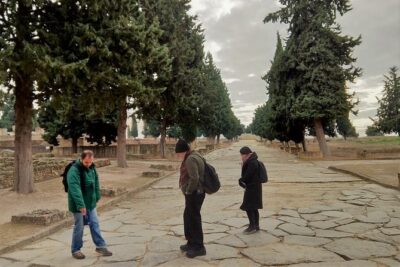
Once inside Italica, the guide gives a short introduction before leading you along the ancient streets. This opening matters because it gives you a framework for the ruins ahead. You are not simply walking from one attractive fragment to another. You are seeing a planned Roman city, with homes, public facilities, and gathering places arranged around daily life.
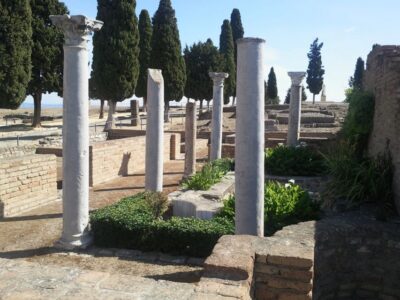
Expect to walk on uneven historic surfaces. The tour includes preserved mosaics, thermal baths, and large Roman houses. The House of Neptune and the House of the Birds are named highlights, and the mosaics are likely to be among the most striking details of the day. Their patterns give you a direct sense of the taste and resources of the people who lived here.
The archaeological area also rewards attention to scale. Roman streets, houses, and public buildings can make the settlement feel more like a city than a ruin field. I would take time to look down as well as ahead, since the floor decoration is one of Italica’s strongest features.
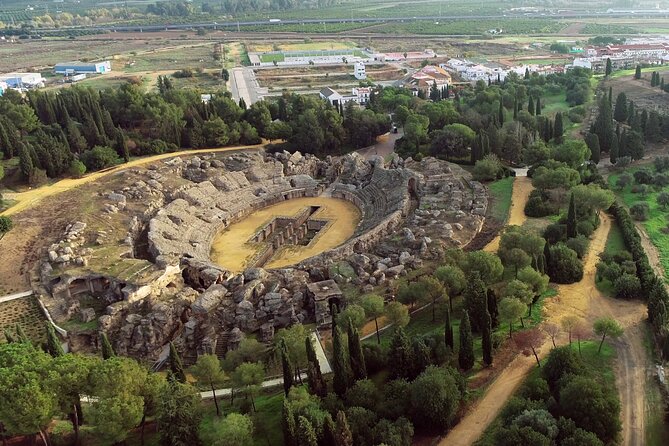
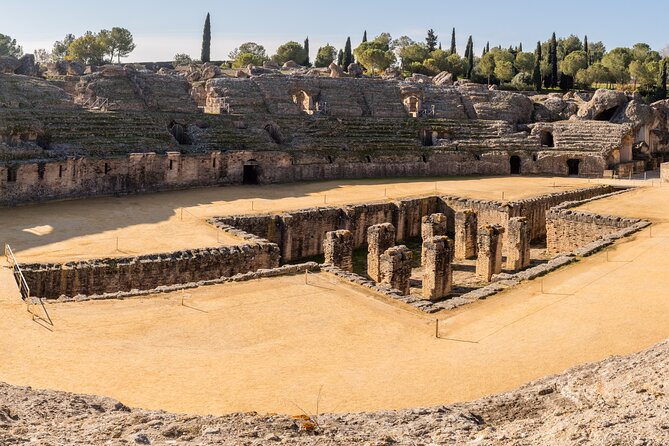
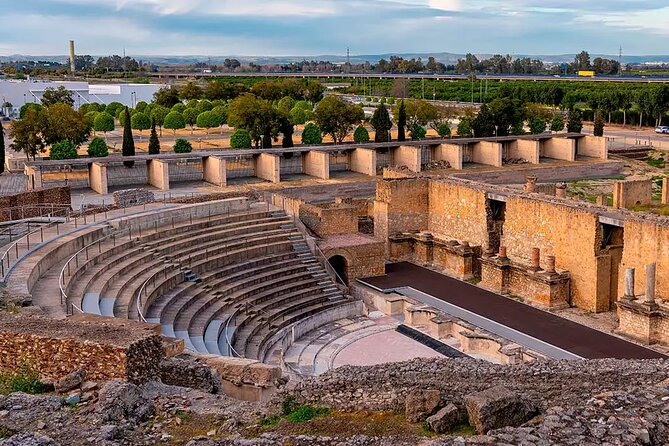
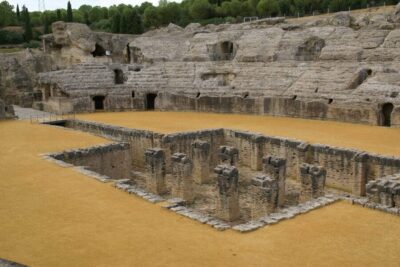
The amphitheater is the clear centerpiece. It could hold around 25,000 spectators and is described as the third largest in the world. That figure is hard to grasp until you see the size of the structure and the arrangement of its seating and central arena.
The site is also associated with gladiator contests. You should not expect a recreated show. The value is in standing inside the surviving structure and understanding the scale of Roman public entertainment. It is the kind of place where a guide’s explanation can help you picture how the building was used.
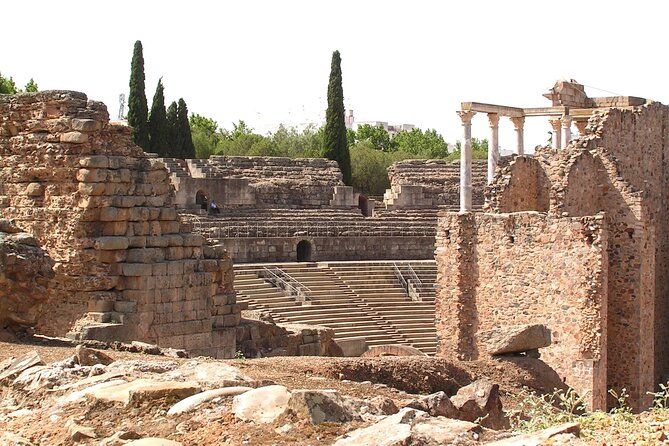
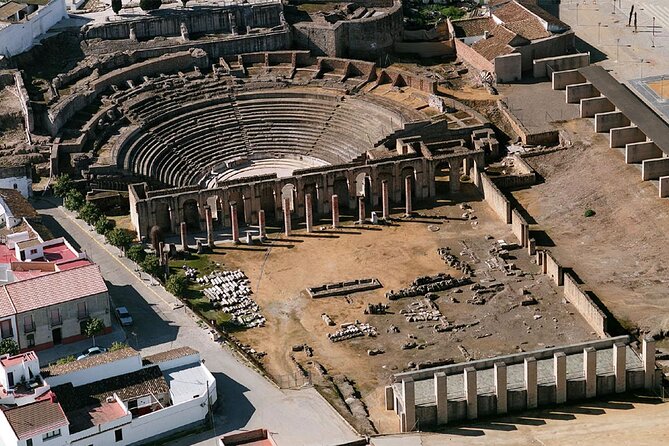
The Roman Theatre, discovered in the middle of the 20th century, adds another layer. It is easy to think of Italica only as the amphitheater, but the theater helps show that the city had a wider public and cultural life. Together, the streets, homes, baths, amphitheater, and theater create a fuller picture.
One practical point: the archaeological site takes about three hours within the tour. That is enough for a guided introduction and the main sights, but it is not an unlimited visit. If you like to study every mosaic at length or photograph every angle, you may find the pace brisk.
The House of the Birds and Roman domestic life
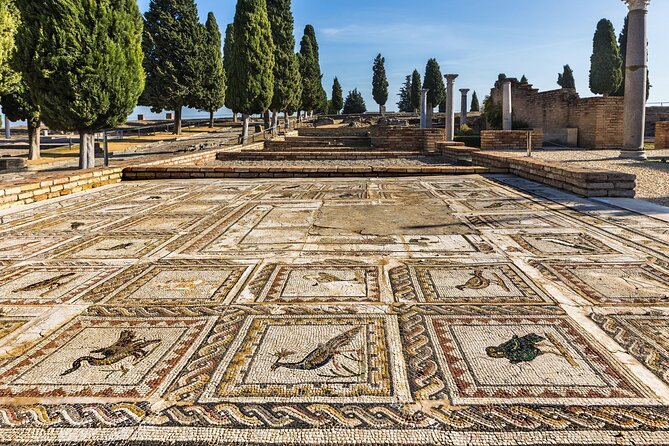
The named houses make Italica feel personal. Grand public buildings draw attention, but domestic remains tell you how people lived away from the arena.
The House of the Birds is especially useful for understanding the difference between a Roman city and a modern ruin. You can see the remains as part of a home, not just as isolated decoration. The mosaics help you picture rooms that were designed to impress and welcome guests.
The House of Neptune is another key stop. Its name points to the decorative character of the site, where mythological and natural themes appear in the flooring and architecture. Your guide can help connect these details with Roman beliefs, taste, and social display.
I would recommend keeping your schedule flexible after the tour rather than planning a major attraction immediately afterward. The stated visit to Italica is three hours, and the complete excursion lasts about five hours. That leaves room for the return to Seville, but not much room for a late departure or an extended independent wander.
San Isidoro del Campo changes the mood
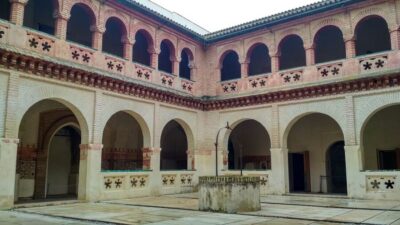
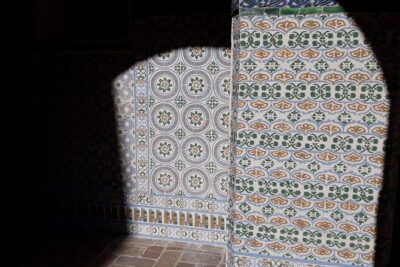
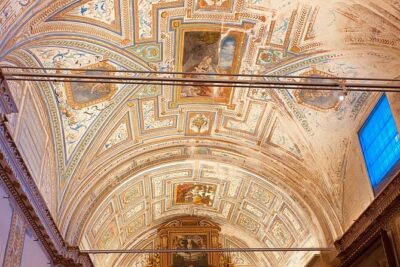
After the Roman site, the group goes to the Monastery of San Isidoro del Campo. This is not a small add-on with little to see. The monastery is described as a medieval fortress, and its buildings contain Mudejar, Gothic, and Baroque elements, along with paintings, murals, and important sculptures.
The contrast is one of the best reasons to choose this excursion. Italica deals with Roman streets and public life. San Isidoro del Campo shifts the focus to a later period, when religious buildings, defensive forms, painted interiors, and sculpture shaped the setting.
The change of subject also keeps the day from feeling repetitive. After several hours of open archaeological ruins, the monastery offers a more enclosed and layered experience. You can compare Roman construction and decoration with medieval and later artistic styles in the same half-day outing.
The exact balance between the two stops may depend on the guide and the pace of the group. The description allows two hours for the monastery portion, including the visit and the return to Seville. That is a useful amount of time for an introduction, though anyone with a strong interest in medieval art may want a separate, longer visit if one is available.
A different sort of afternoon in Seville:
- Seville: Royal Alcázar Entry Ticket
★ 4.6 · 28,378 reviews - Seville: Cathedral and La Giralda Entry Ticket
★ 4.5 · 24,592 reviews - Seville: Live Flamenco Dancing Show Ticket at the Theater
★ 4.7 · 16,396 reviews - Seville: 1-Hour Guadalquivir River Sightseeing Eco Cruise
★ 4.2 · 10,281 reviews
A small group makes the guide matter
The group limit is eight people. That is a real advantage for a site like Italica, where questions can improve the experience and where a large crowd can make explanations harder to follow.
Guides named in the tour feedback include Miguel and Francisco. Miguel is noted for explaining Roman history and for adding context about Seville and Spain, while Francisco is described as friendly and attentive to the needs of the group. You are not guaranteed a particular guide, but these names indicate the kind of personal, conversational guiding the operator aims to provide.
The format is guide-driver, with private transportation in an air-conditioned vehicle. You are not being sent between the sites on your own, and you do not have to work out the local connection to Santiponce. That is especially useful if you want a simple half-day plan from Seville.
A small group also gives you a better chance to ask about the details that interest you. You might want to know how Roman houses were arranged, why the amphitheater was built on such a scale, or how the monastery’s artistic periods fit together. The guide can adjust the explanation more easily than on a large coach excursion.
Is $83.08 good value?
The price is $83.08 per person. That includes the air-conditioned vehicle, private transportation, guide-driver, and admission to both Italica and San Isidoro del Campo.
I consider that a reasonable price if you value convenience and explanation. You are paying for two admission-based visits, transport out of Seville and back, and a small group rather than simply buying entry to an archaeological site. The short transfer also means the price is being used for time at the destinations, not for a long day on the highway.
The value is weaker if you prefer to travel independently and spend as long as you want at one site. Italica is close enough to Seville that some people may prefer arranging their own visit, especially if they want to return to a particular house or spend extra time with the mosaics.
Food and drinks are not included. Since the start is in the morning and the excursion lasts about five hours, eat before departure or plan your next meal in Seville. Tips are also not included.
The tour is offered in English and uses a mobile ticket. Confirmation is provided at booking, and the activity is generally suitable for most participants. Since the outing includes walking through archaeological and historic areas, you should be comfortable moving through those settings for several hours.
Who will enjoy this outing most?
I would choose this tour if you want Roman history without giving up most of a day in Seville. It suits you particularly well if you enjoy archaeology, ancient architecture, mosaics, and guided storytelling.
It is also a good match if you like variety. The Roman city and amphitheater provide the main draw, while the monastery gives the day a medieval and artistic second act. People who prefer one single subject may find the switch in period less focused, but many will appreciate the change.
Families and mixed-interest groups may find the format useful because the amphitheater offers an immediate visual impact, while the houses, mosaics, and monastery give more to explore. The small group makes it easier to ask questions, though the total amount of walking and the five-hour length should fit your group’s energy level.
If you are deeply focused on Roman archaeology, keep in mind that the visit is guided and time-limited. You will see the major features, but this is not designed as a research visit. If you want every detail, you may wish to return independently.
Booking and timing details that matter
The experience is commonly booked well ahead, with an average booking point of about 36 days before the date. That suggests you should not leave it until the last moment if Italica is high on your Seville list.
Meet at Sevilla Moving, C. Luis Montoto, 19, Local Bajo, at 9:00 a.m. The itinerary says the group departs around 9:30 a.m., so follow the confirmed booking details and arrive in good time. The activity returns to the same meeting point.
Free cancellation is available up to 24 hours before the local start time for a full refund. Changes or cancellations made inside that 24-hour window are not accepted for a refund. The tour also requires a minimum number of participants, and if the operator cancels for that reason, you are offered another date or experience, or a full refund.
Should you book the Italica excursion?
Book it if you want an efficient, guided look at one of the most important Roman sites near Seville, especially if the idea of seeing a 25,000-seat amphitheater, detailed mosaics, and Roman houses appeals to you. The addition of San Isidoro del Campo makes the day broader and more worthwhile than a single-site outing.
I would hesitate only if you want a slow, independent archaeological study or if you dislike a fixed schedule. For most people with limited time in Seville, the small group, short drive, included admissions, and two very different historic sites make $83.08 a fair trade for a well-shaped half-day.
FAQ
Where does the excursion begin?
It begins at Sevilla Moving, C. Luis Montoto, 19, Local Bajo, 41003 Seville, Spain.
What time should I arrive?
The stated start time is 9:00 a.m. The group is expected to depart from Seville around 9:30 a.m.
How long does the full experience last?
The excursion lasts approximately five hours.
Is transportation included?
Yes. The experience includes private transportation in an air-conditioned vehicle with a guide-driver.
What sites are included?
The tour includes the Roman city of Italica, including its amphitheater and Roman Theatre, followed by the Monastery of San Isidoro del Campo.
What happens if I need to cancel?
You can cancel up to 24 hours before the local start time for a full refund. Cancellations or changes made less than 24 hours before the start are not refunded or accepted.
Just added around Seville
- The Villages of Andalusia: Full-Day Trip from Seville★ 4.8 · 19 reviews
- From Seville: White Villages Tour★ 5.0 · 9 reviews
- White Villages & Ronda 2-Days Trip & Overnight Stay★ 4.6 · 5 reviews
- Your Photo Story in Seville★ 5.0 · 16 reviews
- Triana Market Tapas Tour★ 4.9 · 12 reviews
- Seville: Guided visit of the Casa de Pilatos with entrance tickets★ 4.3 · 18 reviews
- From Seville: Wine Tourism Half Day Tour★ 4.0 · 17 reviews
- Wine tourism, visit to a traditional winery and wine tasting★ 5.0 · 3 reviews
Italica Roman City Tours, compared.
Historical Italica: Half-Day Guided Tour from Seville
Read our review →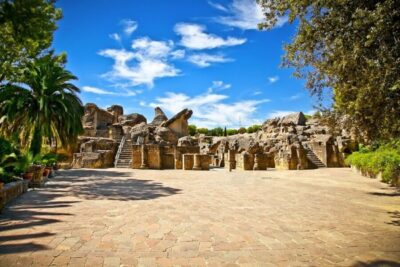
Visit to Italica Roman Ruins Tour tickets included
Read our review →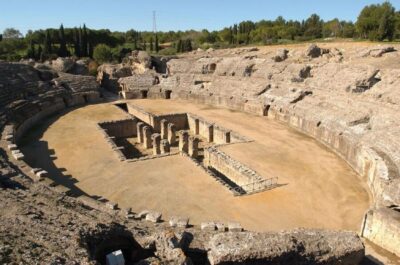
Private hald day tour to the historic roman city of Italica
Read our review →Browse the lists this tour appears in