
Reviewed · ITALICA ROMAN CITY TOURS
Italica, city of emperors
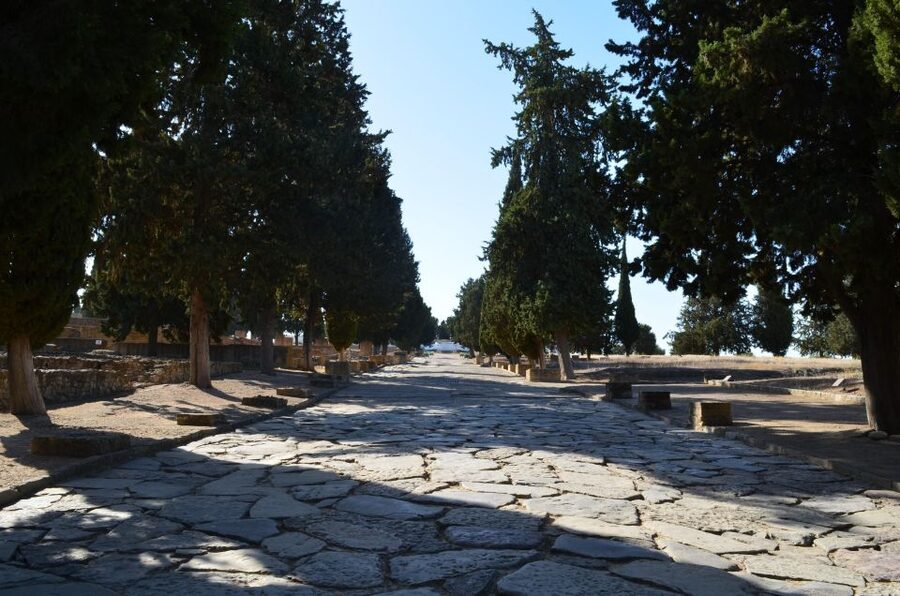
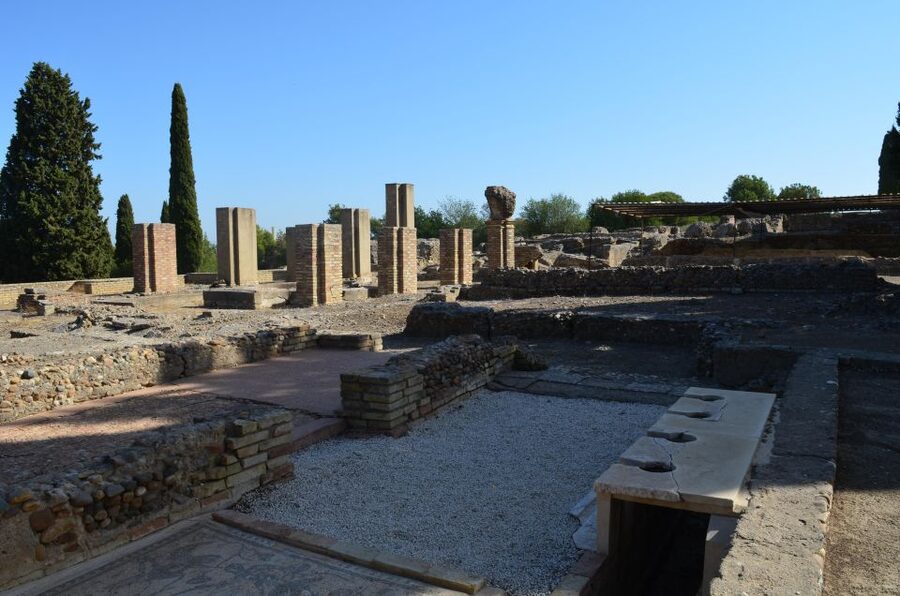
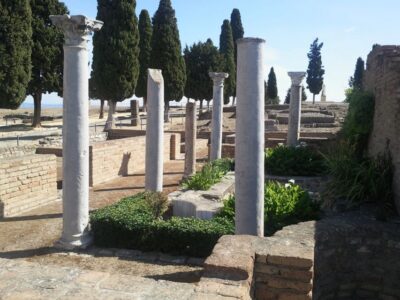
The biggest surprise at Italica is its scale. This is not just a few broken columns beside a road. You walk through the remains of a Roman city with broad streets, large homes, public buildings, baths, and a huge amphitheater that once held crowds for games. The arena also served as a filming location for Game of Thrones, which adds a modern hook to an ancient site.
I like this tour for two clear reasons: the guide brings the ruins to life, and the short length makes Italica easy to fit into a day near Seville. Guides including María de la Paz González Vázquez, MaryPaz, Alejandro, and María have received especially warm praise for clear, lively explanations. The main drawback is the language: the tour is in Spanish only, so you will get much more from it if you can follow spoken Spanish.
Key points to know before booking
- A Roman city founded in 206 B.C.: Italica began as a settlement for Roman veterans after the defeat of Carthage in the Second Punic War.
- The birthplace of emperors: Trajan and Hadrian were connected with Italica, and the city expanded greatly during the imperial period.
- A giant amphitheater: The arena is described as the second largest in the Roman Empire, after Rome’s Colosseum.
- A 90-minute guided walk: The experience is listed as 1.5 hours, though the details also refer to approximately 120 minutes.
- Spanish-language guiding: The guide meets you at the archaeological site with a red flag.
- Good value at $15: EU citizens have free monument entry, while visitors from outside the European Union must pay the entrance fee separately.
Why Italica matters beyond the Game of Thrones connection
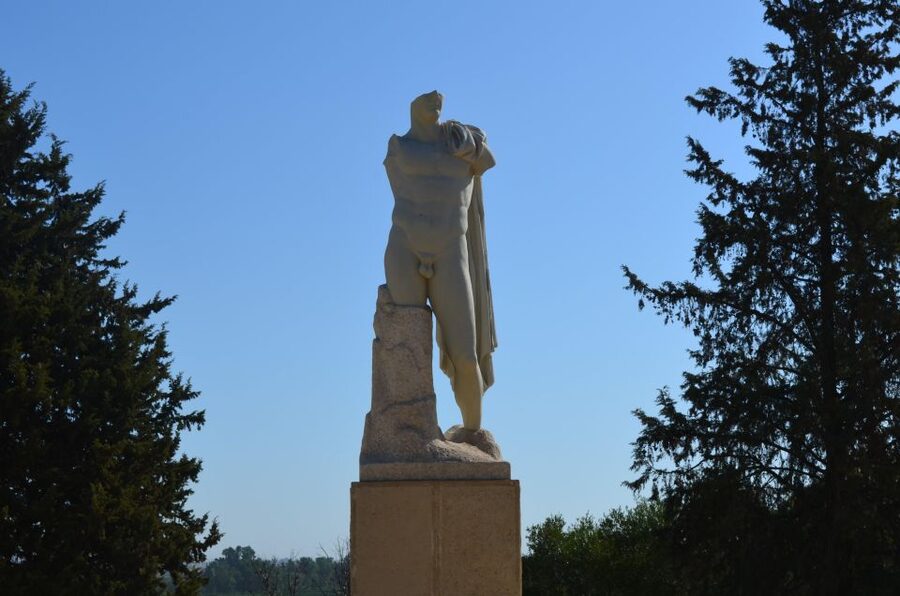
The television connection gets attention, but it should not be the main reason you go. Italica offers a direct look at Roman urban life in southern Spain, and the site is large enough to show how a Roman city worked.
Italica was founded in 206 B.C. after Roman forces defeated the Carthaginians in the Second Punic War. Roman veterans settled here, and what began as a military settlement developed into a major city. The location later became closely linked with two emperors, Trajan and Hadrian.
The city reached a high point under the imperial rulers. Large private homes and major public buildings were added, turning Italica into a place of comfort and status. As you walk through the site, you are not only looking at ruins. You are seeing the remains of Roman planning, public life, household customs, and imperial ambition.
That context matters because the ruins can otherwise feel like a collection of walls and stones. A good guide explains how the buildings fit together and helps you picture the city as a functioning community.
More Italica Roman City Tours:
- From Seville: Italica Roman City & Medieval Monastery Tour
★ 4.5 · 1,051 reviews - Historical Italica: Half-Day Guided Tour from Seville
★ 4.5 · 416 reviews - Seville: Game of Thrones and Roman Empire Italica Tour
★ 4.3 · 372 reviews
Meeting at the archaeological site
The tour begins at the entrance to the Conjunto Arqueológico de Itálica. Look for the guide holding a red flag. This is a simple meeting arrangement, but it is worth paying attention to because the tour does not begin in central Seville.
The information provided highlights transport to the old Roman city, but the stated meeting point and itinerary place the start and finish at Italica itself. You should therefore check how you will reach the archaeological complex before booking. The guided walk returns to the same site entrance, so there is no separate end point to find.
The provider is María de la Paz González Vázquez. The experience may also be led by guides named MaryPaz, Alejandro, or María, all of whom have been praised for strong explanations and an engaging manner. Since the tour is in Spanish, listen for the guide’s name at the meeting point if several groups are gathering.
Walking through Roman homes and public buildings
The first part of the visit focuses on the city itself. Italica’s streets and buildings help explain the difference between private Roman life and public Roman life.
The great homes are among the most appealing parts of the site. These large residences point to the wealth enjoyed by Italica’s upper class during its best years. You can expect the guide to explain the customs connected with the buildings and how Romans used different parts of the city.
The remains of domestic buildings are also where the visit gains a human scale. The imperial story is impressive, but homes show how people actually lived. Large houses, decorative details, and the layout of rooms give you a better sense of daily routines than a list of emperors ever could.
Public buildings tell a different story. They show how the city organized shared activities, bathing, entertainment, and civic life. The tour description refers to important public structures, including large baths and the amphitheater. The guide’s role is especially useful here because the surviving walls do not always make the original purpose obvious.
The strongest part of the experience is the explanation. Several comments specifically praise the guides for being clear, entertaining, and passionate. That is important at an archaeological site, where a short guided visit can make the difference between simply looking at ruins and understanding them.
The amphitheater and its Game of Thrones fame
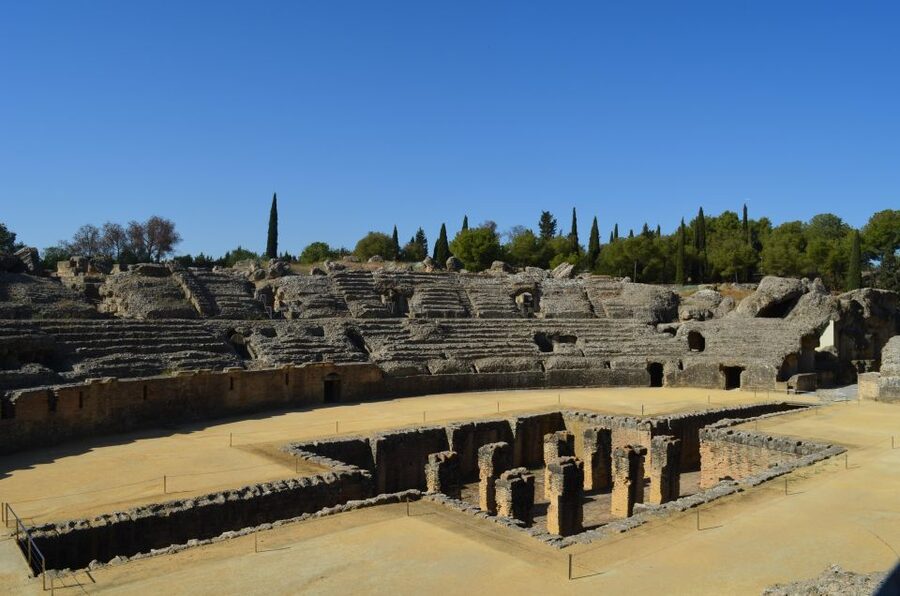
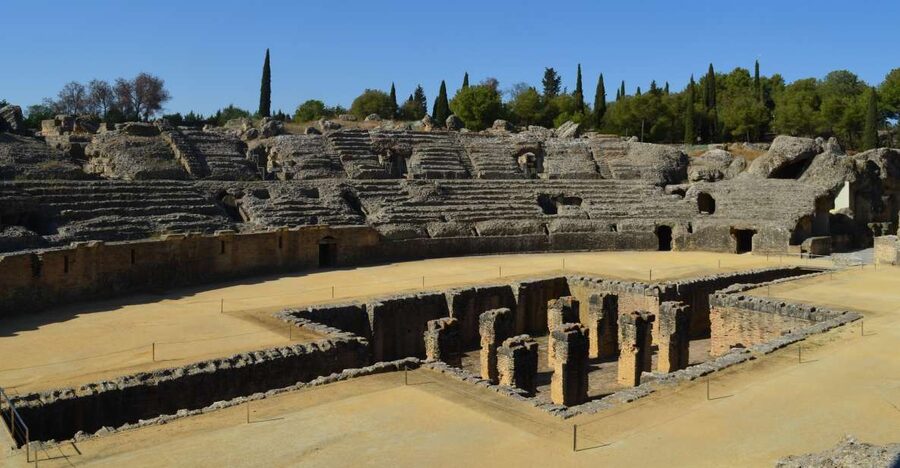
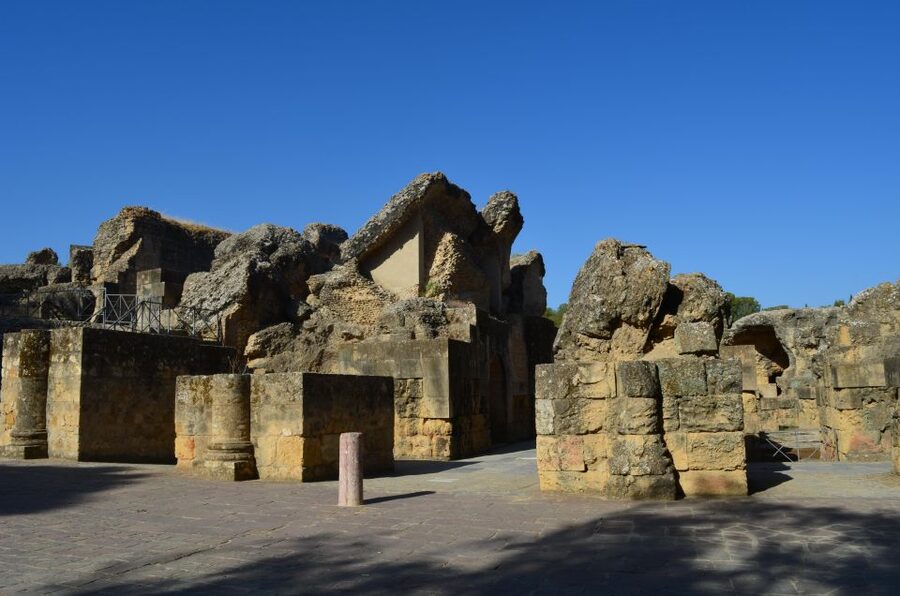
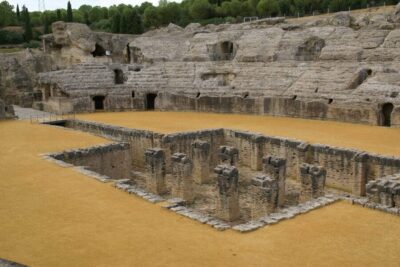
The amphitheater is the clear centerpiece. It is large, imposing, and easy to picture as a place built for mass entertainment. The site describes it as the second largest amphitheater in the Roman Empire, behind the Colosseum in Rome.
That claim gives the arena real weight. This was not a small local venue. Its size reflects the importance Italica reached under the emperors and the resources available for large public works.
The amphitheater was also used as a filming location for Game of Thrones. The production used the arena as a setting for scenes involving the show’s ruling characters and their retinue. The television connection is fun, but the Roman structure remains the main event.
I recommend seeing the arena first as an ancient building, then as a screen location. Look at the curved seating areas, the open central space, and the scale of the structure. Your guide can connect the modern images with the original Roman purpose, making the filming detail feel like an extra layer rather than the whole visit.
If you are visiting with someone who is not especially interested in Roman archaeology, the amphitheater may be the hook that gets them to Italica. Once there, the homes and public buildings provide enough substance for a worthwhile visit beyond the television reference.
A different sort of afternoon in Seville:
- Seville: Royal Alcázar Entry Ticket
★ 4.6 · 28,378 reviews - Seville: Cathedral and La Giralda Entry Ticket
★ 4.5 · 24,592 reviews - Seville: Live Flamenco Dancing Show Ticket at the Theater
★ 4.7 · 16,396 reviews - Seville: 1-Hour Guadalquivir River Sightseeing Eco Cruise
★ 4.2 · 10,281 reviews
What a 1.5-hour visit feels like
The tour is advertised as lasting 1.5 hours. Another description gives an approximate duration of 120 minutes, so you should allow closer to two hours if your schedule is tight.
That length works well for Italica. You get a guided introduction and a focused walk without committing to a full-day archaeological outing. The experience starts and ends at the archaeological complex, with the guided visit taking place inside the site.
A short visit also means the guide must choose what to explain. You will not receive a detailed lecture on every visible wall or building. Instead, expect a selective tour of the most important areas, with attention to the city’s origins, Roman customs, public buildings, baths, and amphitheater.
The timing is particularly useful if you are combining Italica with other plans in Andalusia. It gives you enough time to understand the site while leaving room for the rest of your day. If you prefer to read every sign, sketch the ruins, or stop for long photographs, you may want extra time beyond the guided portion.
The guide is the real value
At $15 per person, the price is modest for a live guided visit. The cost is not buying transportation from Seville or a full-day excursion. It is paying for a focused explanation inside one of Andalusia’s major archaeological complexes.
That distinction helps you judge the value correctly. If you already know Roman history well and prefer to explore at your own pace, you may be satisfied with a self-guided visit. If the ruins are new to you, the guide can save you from missing the point of the buildings.
The strongest praise has centered on the guides rather than on elaborate extras. María de la Paz González Vázquez is identified as the provider, and specific guides named MaryPaz, Alejandro, and María have been singled out for passion, clarity, and entertaining explanations. One assessment describes the duration as suitable, while several others call the explanations very clear and the visit enjoyable.
Because the tour is in Spanish, the value depends on your language ability. Spanish speakers should find the format especially useful. If you understand only basic Spanish, the amphitheater and ruins will still be worth seeing, but you may miss much of the cultural explanation that makes the tour worthwhile.
Entrance fees and practical planning
Entrance to the monument is free for citizens of the European Union, according to the information provided. Visitors from outside the EU must pay admission separately, and that fee is not included in the $15 tour price.
This is an important detail for budget planning. The tour itself is inexpensive, but non-EU visitors should check the current monument admission cost before arriving. The supplied information does not give the amount, so do not assume that the $15 covers every cost.
The site is listed as wheelchair accessible. That makes the experience available to a wider range of visitors, though the information does not describe the exact surface conditions or which sections may be easier to reach. If you need specific access details, confirm them before booking.
Cancellation is flexible up to 24 hours before the activity for a full refund. You can also reserve the place and pay later, which helps if your Andalusia schedule is still changing.
Who will get the most from this visit
This tour suits anyone who wants a short, structured introduction to Roman Spain. It works particularly well for:
- Spanish-speaking visitors who want context rather than a silent walk through ruins
- People interested in Roman emperors, city planning, and public buildings
- Game of Thrones fans who also want to understand the real ancient site
- Families who prefer a guided visit with a clear time limit
- Visitors adding Italica to a larger Andalusia itinerary
It may be less suitable if you want an English-language tour, a private vehicle from Seville, or a long visit with time to study every detail. The tour begins at Italica, and the supplied information does not confirm hotel pickup or group size.
I would also avoid treating this as only a filming-location visit. The arena is memorable, but the city’s homes and public buildings explain why Italica mattered in the first place.
Should you book the Italica tour?
Book it if you want a clear Spanish-language introduction to one of Andalusia’s most important Roman sites, especially if the $15 price fits your budget and you can reach the archaeological complex independently.
The guides are the main reason to choose this experience. Strong explanations have been a consistent feature, with MaryPaz, Alejandro, and María receiving particular praise for making the visit lively and easy to follow. The amphitheater provides the visual highlight, while the homes, baths, and public buildings give the visit historical weight.
Skip it if you need English guiding, guaranteed transport from Seville, or a self-paced archaeological visit. For Spanish speakers, EU citizens, and anyone curious about Roman life beyond the Colosseum, this is a sensible, affordable way to see Italica.
FAQ
Where does the Italica tour begin?
It begins at the entrance to the Conjunto Arqueológico de Itálica. The guide will be holding a red flag.
How long does the guided visit last?
The experience is listed as 1.5 hours. The detailed description also says approximately 120 minutes, so allow extra time if your schedule is tight.
What language is the tour in?
The live guided tour is in Spanish.
Is entrance to Italica included in the price?
Entrance is free for citizens of the European Union. Visitors from outside the EU must pay the monument entrance fee separately.
Is the tour wheelchair accessible?
The activity is listed as wheelchair accessible.
Can I cancel the booking?
You can cancel up to 24 hours in advance for a full refund. The activity also offers a reserve-now-and-pay-later option.
Just added around Seville
- The Villages of Andalusia: Full-Day Trip from Seville★ 4.8 · 19 reviews
- From Seville: White Villages Tour★ 5.0 · 9 reviews
- White Villages & Ronda 2-Days Trip & Overnight Stay★ 4.6 · 5 reviews
- Your Photo Story in Seville★ 5.0 · 16 reviews
- Triana Market Tapas Tour★ 4.9 · 12 reviews
- Seville: Guided visit of the Casa de Pilatos with entrance tickets★ 4.3 · 18 reviews
- From Seville: Wine Tourism Half Day Tour★ 4.0 · 17 reviews
- Wine tourism, visit to a traditional winery and wine tasting★ 5.0 · 3 reviews
Italica Roman City Tours, compared.
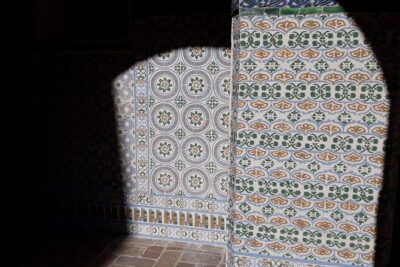
Historical Italica: Half-Day Guided Tour from Seville
Read our review →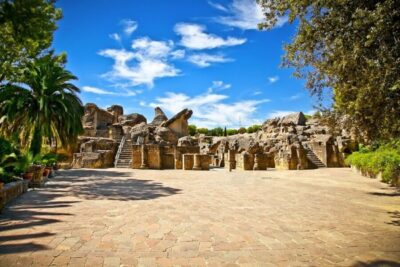
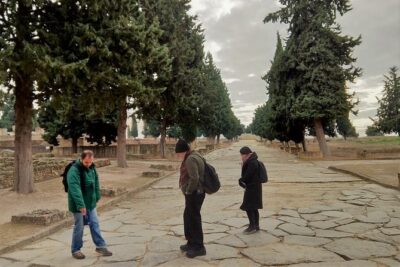
Visit to Italica Roman Ruins Tour tickets included
Read our review →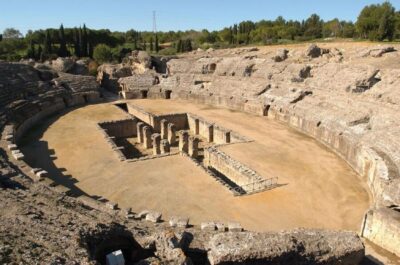
Private hald day tour to the historic roman city of Italica
Read our review →Browse the lists this tour appears in