
Reviewed · SEVILLE JEWISH QUARTER TOURS
Seville: Jewish History Private Tour
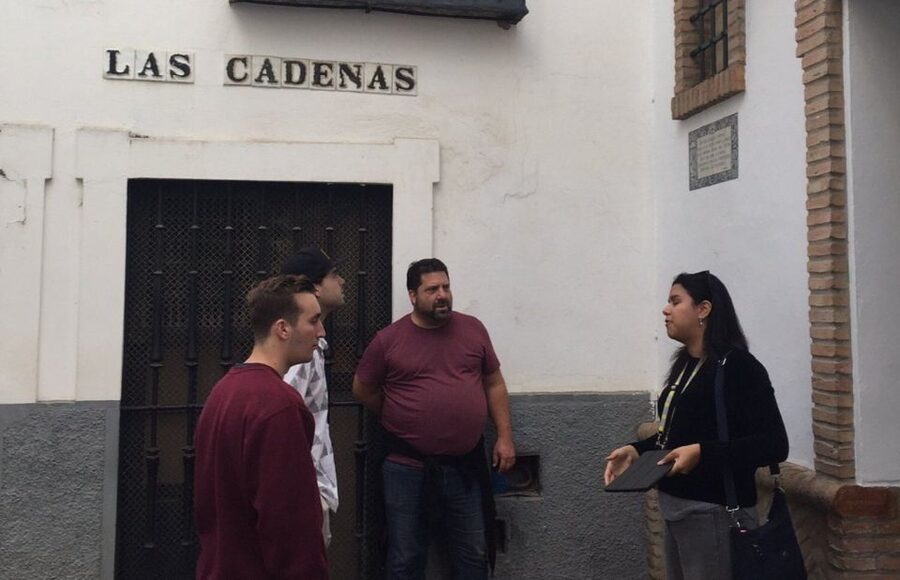
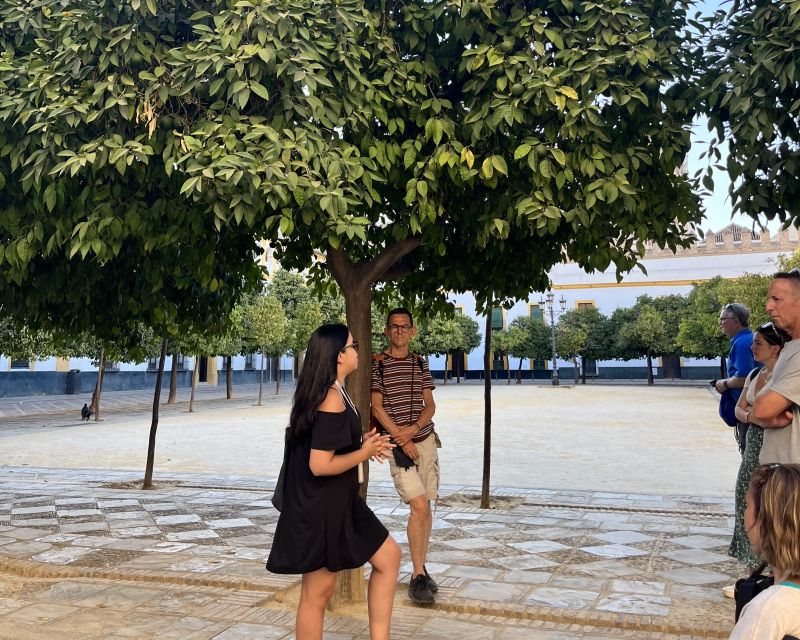
Seville’s Jewish past is easiest to understand on foot, where quiet lanes, former synagogues, traditional houses, and underground cemetery ruins fill in what bare monuments cannot. This private walk follows the old Jewish quarters from Plaza Nueva toward Santa Cruz and the Juderia, with guide Alba bringing the story together.
I like the small private format, which lets you ask questions and set the pace. I also like the focus on daily life, including the traces of Jewish culture in Seville’s food, surnames, traditions, and expressions. The main drawback is the short two-hour length: this is a concentrated introduction, not a full survey of Andalusian Jewish history, and the route is not suitable for wheelchair users.
Key points at a glance
- Alba leads the walk: She has a PhD in Jewish history of the region and is praised for clear explanations, warmth, and a strong sense of storytelling.
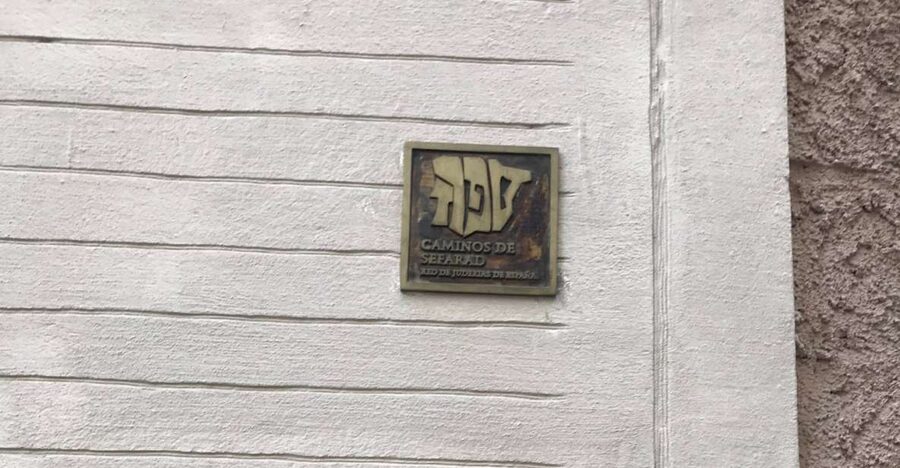
- Two former synagogues: Santa Maria la Blanca and San Bartolomé help you see how buildings changed function over time.
- Underground cemetery ruins: This unusual stop adds physical evidence to a story often told only through documents.
- Two historic quarters: San Bartolomé and Santa Cruz were central to Seville’s Jewish community.
- Private group setting: You can ask questions freely instead of following a large crowd.
- Good value for focused history: At $131 per person, the price makes the most sense for a private experience built around a specialist subject.
Why this short walk matters in Seville
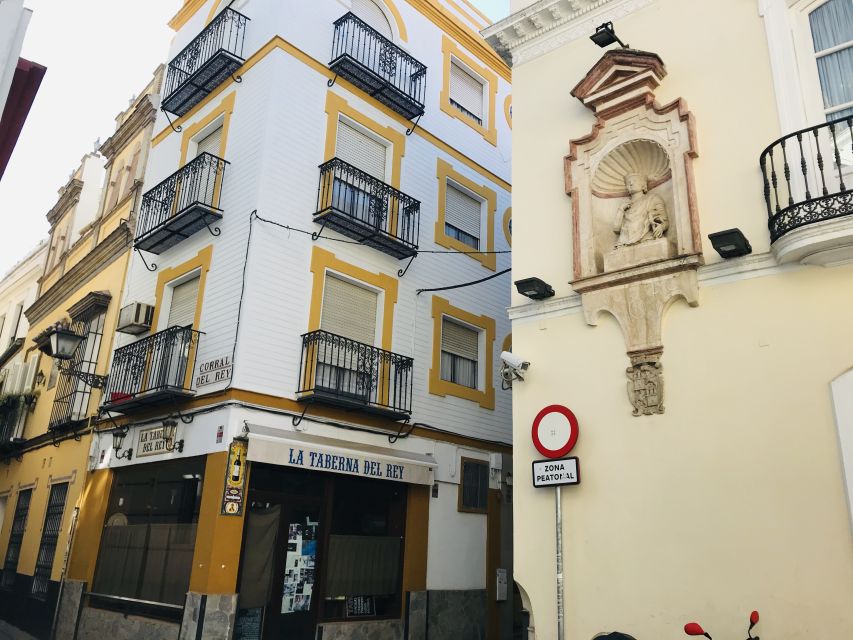
Seville is often approached through its cathedral, royal palace, plazas, and tapas bars. Those sights deserve their place, but they can leave out the people and communities that shaped the city before and after the Christian conquest.
This tour gives you a different frame. You follow the former Jewish quarters and consider where families lived, worshipped, worked, and were eventually forced to leave. The story reaches beyond dates and rulers. You hear how a community affected local customs and how traces of that life may still appear in Seville today.
That wider view is the best reason to book this experience. You are not simply checking off two old religious buildings. You are learning how a neighborhood functions as a record of changing power, faith, and identity.
The walk is based on Alba’s own master’s thesis, which gives it a more focused purpose than a standard city stroll. The subject is narrow, but that is useful. Instead of receiving a quick mention of Jewish Seville between explanations of other monuments, you get two hours devoted to this one important chapter.
More Seville Jewish Quarter Tours:
- Seville: Small-Group Jewish Quarter Discovery Walking Tour
★ 4.9 · 499 reviews - Seville: 1-Hour Walking Tour Barrio de Santa Cruz
★ 4.5 · 131 reviews - Private Tour Jewish Quarter, center and Plaza de España
★ 5.0 · 127 reviews
Starting at Plaza Nueva
The meeting point is beside the central statue in Plaza Nueva. This is a practical place to begin because it gives you a clear reference point in central Seville, but you should allow a little time to find the statue before the start.
From here, the route heads toward the historic center and the former Jewish quarters. The walk is more useful if you arrive ready to move through ordinary city streets rather than expecting a museum-like presentation. You will be looking at the shape of the neighborhood, the buildings, and the relationship between places.
Because the tour is private, you can ask Alba to clarify names, events, or terms as they arise. That matters with Jewish Seville, where the story includes several changes in political authority and religious use. A private guide can slow down when a point interests you or keep moving if you already know the background.
The tour is offered in English or Spanish. That choice is especially useful for a subject with unfamiliar names and historical details, since you can follow the explanation in the language in which you are most comfortable.
Santa Cruz and the feel of the old quarter
Santa Cruz is one of Seville’s most picturesque areas, with narrow lanes and traditional buildings. Its beauty can also make it easy to treat the quarter as a charming backdrop rather than a lived-in part of the city’s past.
The guide helps place the streets in context. You learn that this area was once connected to Seville’s Jewish community, then follow the changes that came with later Christian rule and the eventual expulsion of Jews from the city.
I find this kind of walking history more effective than seeing an isolated display. A street plan tells you something about how people moved through a neighborhood. Doorways, small lanes, houses, and religious buildings help you picture community life, even when very little remains in its original form.
Santa Cruz is also a popular area, so the setting may feel busy at times. The private format helps, but this is still a central quarter rather than a quiet archaeological site. Wear comfortable shoes and expect uneven walking surfaces in parts of the historic center.
Santa Maria la Blanca and San Bartolomé
The tour includes the former synagogues of Santa Maria la Blanca and San Bartolomé. These stops are important because they show how religious buildings can carry several layers of history.
You are not simply seeing two old churches. You are considering their earlier connection to Jewish worship and the changes that followed. The buildings help make the community’s story visible, even when the original setting has been altered.
Santa Maria la Blanca is part of the Santa Cruz experience, while San Bartolomé connects the route with the other former Jewish quarter. Seeing both gives you a sense of the community across more than one section of Seville.
The supplied information does not promise that every interior will be open at every moment, so I would treat the route as a guided visit to significant sites rather than assume a fixed museum admission program. The guide’s explanation is central to the value here. Without that context, you might see attractive historic architecture but miss why these places matter.
Alba’s strong point is her ability to link the buildings into one narrative. Four separate five-star ratings praise her command of Jewish history, her clear storytelling, and her friendly manner. One booking specifically notes that she holds a PhD in Jewish history of the region. That makes her a particularly good match if you want more than a quick architectural description.
More Historical Tours in Seville:
- Sevilla Food Tour: Tapas, Wine, History & Traditions
★ 5.0 · 3,468 reviews - Ultimate Seville Tapas, Wine & History Small Group Tour
★ 5.0 · 1,766 reviews - Seville: Tapas, Taverns, and History Walking Tour
★ 4.9 · 676 reviews - Seville Evening Historical Tour with Haunted History
★ 5.0 · 626 reviews
The old cemetery below the streets
The cemetery stop is one of the most unusual parts of the route. You go underground to see ruins connected with the old Jewish cemetery, adding a physical and slightly unexpected element to the walk.
This kind of site helps explain why Jewish heritage in Seville is not always obvious above ground. Buildings may have changed purpose, streets may have changed names, and later construction may cover earlier remains. Underground ruins give you a clearer sense of what has been lost, covered, or altered.
It is also a useful reminder that a community is not defined only by its houses of worship. Burial grounds reveal another part of communal life and give the tour a more complete shape.
The available details do not specify the exact access conditions or length of time spent below ground. If you have mobility concerns, ask before booking. The experience is not suitable for wheelchair users, and the combination of walking through old quarters with an underground stop may be difficult for some visitors.
From buildings to everyday customs
The tour’s most appealing promise is its attention to ordinary life. You learn about how Jewish culture influenced Seville’s gastronomy, surnames, traditions, and expressions.
That subject helps prevent the walk from becoming a list of buildings and dates. A surname or food tradition can feel more immediate than a distant political event. It gives you something to notice later during your stay, perhaps at a market, restaurant, or conversation.
The guide also discusses significant events that shaped the community. The story leads toward the expulsion of Seville’s Jews, but it does not stop with that event. You look at the lasting marks left on the city and consider how culture can continue to influence a place even after a community has been driven away.
This is where Alba’s storytelling style matters. The four available ratings consistently praise her ability to explain details, connect the material from beginning to end, and add personal stories. One booking specifically notes that she kept the group’s attention throughout the two-hour visit. That is useful evidence for a subject that could otherwise become dense.
What two hours can and cannot cover
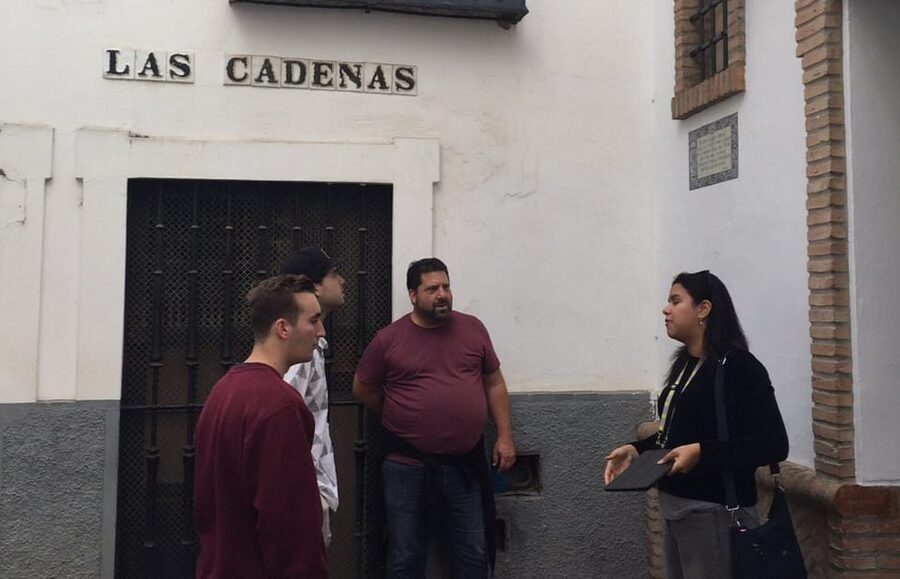
Two hours is a sensible length for a focused walk through the old quarters. It is long enough to connect several locations, but short enough to fit into a busy Seville day.
You could schedule it before visiting other sights in the historic center, or use it as a way to orient yourself early in your stay. Finishing in the Juderia leaves you near the heart of the old quarter, so you can continue exploring on foot afterward.
Still, you should keep your expectations in check. The tour cannot cover every Jewish site in Seville, the entire history of Jews in Andalusia, or all the political and religious changes of the period. Its strength is concentration. You get a clear route and a specialist guide rather than a long, scattered lecture.
The private format makes the two hours more valuable than the clock suggests. In a large group, time is often lost repeating answers or keeping everyone together. Here, the focus stays on your interests, and you can ask about a detail that catches your attention.
Is $131 per person a fair price?
At $131 per person, this is not a budget walking tour. The price is easier to justify if you are traveling with people who share your interest in Jewish heritage and want a private guide rather than a general city tour.
You are paying for three things: Alba’s specialist preparation, a private group, and a route built around sites that can be difficult to understand without explanation. The price includes the professional guide and all fees and taxes. Private transportation is not included, but this is a walking experience through the historic center, so transport is not the main point.
For a solo visitor or couple, the cost may feel high compared with a standard group walk. For a family or small party splitting the private experience, the value improves. I would also consider how much you want to learn. If your interest is casual, a general Seville tour may be enough. If this subject is a major reason for your visit, the focused format makes more sense.
The perfect score from four verified bookings is encouraging, especially because the comments praise specific qualities: Alba’s subject expertise, her warm attitude, her energy, her detailed explanations, and her ability to hold attention. Four ratings are still a small sample, so I would not treat them as a guarantee. They do point to a consistent strength in the guide rather than simply praise for the city.
Who will enjoy this experience most
I would recommend this walk to:
- Anyone researching Jewish heritage in Spain
- Visitors who prefer a specialist subject to a general sightseeing tour
- People who enjoy history tied to real streets and buildings
- Families or small groups who want to ask plenty of questions
- Visitors interested in how culture survives through food, names, customs, and language
- Anyone looking for a meaningful two-hour activity in central Seville
It may be less suitable if you want a relaxed, purely scenic walk. Santa Cruz is attractive, but the purpose here is historical interpretation. You should also choose another activity if you need step-free access or are not comfortable with the physical demands of walking through an old quarter and reaching an underground site.
The tour is available in English and Spanish. That makes it practical for international visitors, while the private format gives you more control over the level of detail.
Booking advice for a smoother visit
Wear shoes suited to city walking and arrive at Plaza Nueva with enough time to find the central statue. Since the tour lasts two hours, think of it as a focused morning or afternoon activity rather than a full-day program.
You can cancel up to 24 hours before the start for a full refund, and you can reserve now while paying later. Those terms are helpful if your Seville plans are still shifting.
I would book this early if Alba’s availability matters to you, since the experience is built around a specific guide and a private group. You can also ask about the underground cemetery access if anyone in your party has mobility limits.
Should you book the Seville Jewish History Private Tour?
Book it if you want to understand Seville through the story of a community that once lived, worshipped, and worked in the very quarters you are walking through. The former synagogues, cemetery ruins, Santa Cruz lanes, and San Bartolomé route give the subject a strong physical setting.
The best reason to choose it is Alba. Her PhD-level background, careful explanations, and personal storytelling make this more than a quick stop at two old buildings. The chief caution is price: $131 per person is a serious spend for two hours, especially if Jewish history is only a minor interest.
For a small group that values heritage and wants a direct conversation with a specialist, I think the cost is reasonable. For a budget-minded visitor seeking a broad introduction to Seville, I would choose a less focused group tour instead.
FAQ
Where does the tour begin?
It begins in Plaza Nueva, beside the central statue.
Where does the tour finish?
The tour finishes in the Juderia.
How long does the experience last?
The walking tour lasts two hours.
What languages are available?
The live guide offers the tour in English and Spanish.
Is this a private tour?
Yes. The experience is organized for a private group.
Which historic sites are included?
The route includes Santa Maria la Blanca, San Bartolomé, the old Jewish cemetery ruins, and the Santa Cruz Quarter.
Is transportation included?
No. Private transportation is not included. The experience is a guided walking tour.
Is the tour suitable for wheelchair users?
No. The experience is not suitable for wheelchair users.
What is the cancellation policy?
You can cancel up to 24 hours in advance for a full refund.
Can I reserve now and pay later?
Yes. You can reserve your place and pay later.
Just added around Seville
- The Villages of Andalusia: Full-Day Trip from Seville★ 4.8 · 19 reviews
- From Seville: White Villages Tour★ 5.0 · 9 reviews
- White Villages & Ronda 2-Days Trip & Overnight Stay★ 4.6 · 5 reviews
- Your Photo Story in Seville★ 5.0 · 16 reviews
- Triana Market Tapas Tour★ 4.9 · 12 reviews
- Seville: Guided visit of the Casa de Pilatos with entrance tickets★ 4.3 · 18 reviews
- From Seville: Wine Tourism Half Day Tour★ 4.0 · 17 reviews
- Wine tourism, visit to a traditional winery and wine tasting★ 5.0 · 3 reviews
Seville Jewish Quarter Tours, compared.
Small-Group Jewish Quarter Discovery Walking Tour
Read our review →
Small Group Jewish Quarter Tour with Tapas & Drinks
Read our review →
Seville Jewish Quarter Small Group Tour with Tapas and Drinks
Read our review →
Seville Former Jewish Quarter Walking Tour: Santa Cruz
Read our review →
Seville Jewish Quarter walking tour: Santa Cruz District
Read our review →
Seville Jewish Quarter Small-Group Walking Tour: History & Gems
Read our review →Browse the lists this tour appears in