
Reviewed · SEVILLE FOOD TOURS
Spanish Cooking Class & Triana Market Tour in Sevilla
Seville’s food culture makes the most sense when you see the ingredients first, then cook them yourself. This Triana Market tour and cooking class begins among produce, meats, cheeses, and regional specialties before moving into a kitchen for a three-course lunch.
I like the market-to-table flow, and I like that you do real preparation rather than simply watch a chef perform. The class also earns points for its relaxed teaching style, homemade sangria, written recipes, and flexible menu for vegan, gluten-free, seafood-free, and pork-free diets.
The main consideration is timing. The class starts at 10:30 a.m. and lasts about three and a half hours, so it takes up much of your morning and early afternoon. Finding the correct market entrance may also take a few minutes, so arrive early.
Key points to know before booking
- You begin at Triana Market: Meet inside the market at stalls 75 and 77, even if your cooking session takes place in another nearby kitchen.
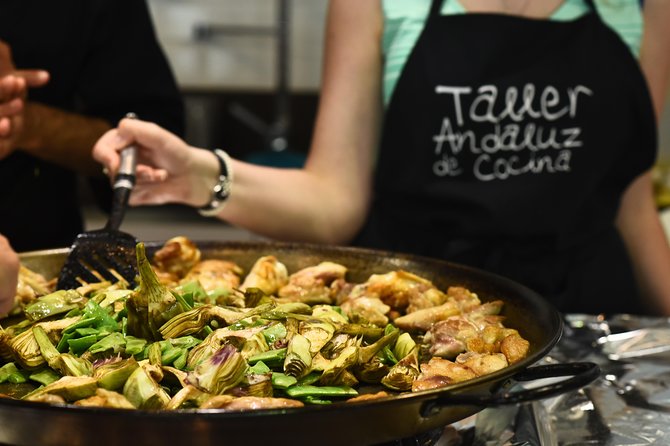
- You prepare a full lunch: The menu includes salmorejo, spinach with chickpeas, paella with chicken and vegetables, and a light dessert.
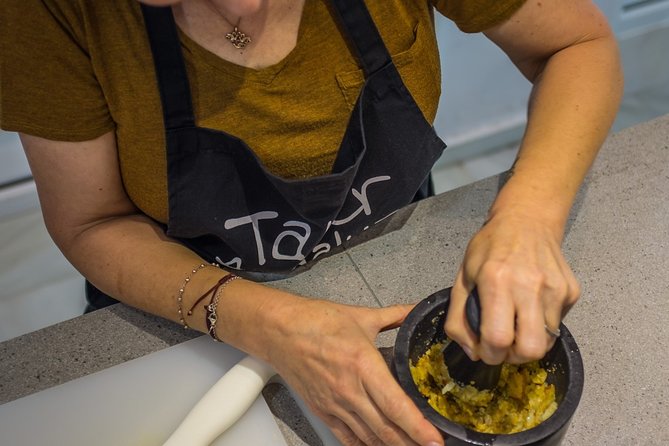
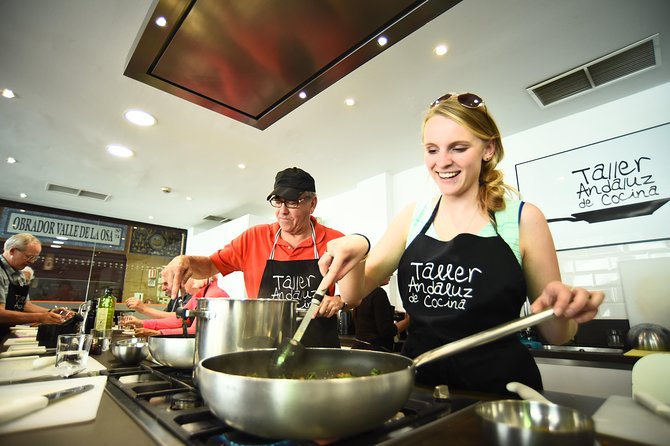
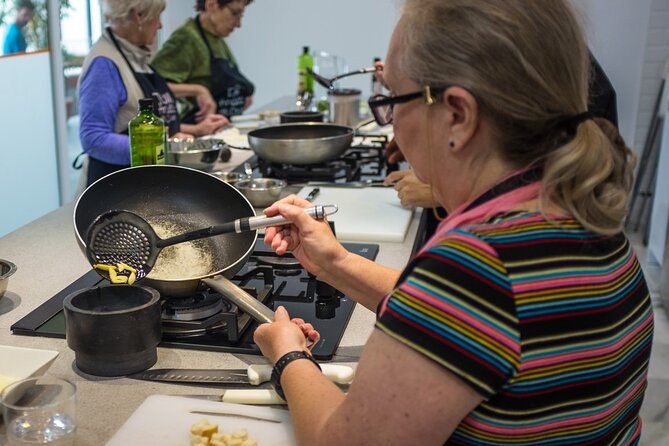
- The class is hands-on: You chop, season, stir, and help prepare the dishes rather than only watching demonstrations.
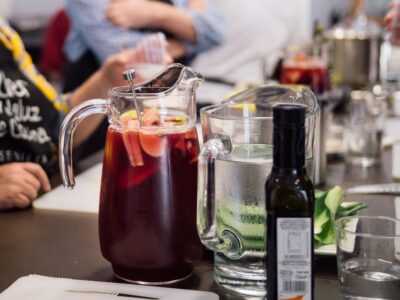
- Drinks are part of the meal: Homemade sangria is served during the class, followed by up to two drinks with lunch.
- The group is limited to 16 people: That is small enough for questions and shared kitchen work without feeling like a private lesson.
- You receive recipes afterward: The written instructions and cooking tips make this useful beyond your stay in Seville.
Starting at Triana Market in Seville
Your meeting point is Taller Andaluz de Cocina, inside Mercado de Abastos de Triana, at Plaza del Altozano, stalls 75 and 77. This detail matters because the cooking company uses four kitchens in the Triana area: two inside the market, one on Calle Castilla, and one at Plaza de Chapina.
Regardless of the kitchen assigned to your class, you begin at the same market meeting point. That arrangement can be confusing if you go straight to a kitchen address, so use the market stalls as your anchor.
I would arrive before the 10:30 a.m. start. The market has several entrances and plenty of stall numbers, and one person who had trouble finding the class needed extra time to get oriented. The activity is near public transportation, but private pickup and drop-off are not included.
The class usually has no more than 16 people. Larger groups may be divided for the market walk, with about ten people sometimes following one guide before joining the cooking group. That setup gives you a chance to ask questions without trying to hear a guide across an entire market hall.
More Seville Cooking Classes:
- Seville: Spanish Cooking Class with Dinner
★ 4.9 · 900 reviews - Seville: 3.5-Hour Spanish Cooking Class & Triana Market Tour
★ 4.9 · 751 reviews - Spanish Cooking Class and Dinner in Seville
★ 5.0 · 261 reviews
Seeing Andalusian ingredients before cooking them
The first part is a guided walk through Triana Market. You look at the produce, meats, fresh cheeses, spices, and other foods that shape everyday cooking in southern Spain.
This is not just a shopping stop before the class. The guide explains where ingredients come from, how local farming works, and how certain foods are used in Andalusian cooking. Guides such as Anna, Sabrina, Kai, and Leo have led these walks, while instructors including Pedro, Luis, and Carla have handled the kitchen sessions.
The exact guide can vary, but the format stays practical. You see ingredients that will later appear on your cutting board, then learn how they fit into local dishes. That connection gives the market tour a clear purpose rather than making it a separate sightseeing add-on.
The market also helps explain why simple Spanish recipes can have such full flavor. Good tomatoes, chickpeas, spinach, olive oil, fresh herbs, and carefully chosen spices do much of the work. You are learning not only a recipe, but also how to shop for the ingredients behind it.
One small advantage is that you may have a short chance to buy something after the class. The cooking session can run until around 2:30 p.m., and the later market visit may allow time for purchases. Do not count on a long shopping window, though. The cooking and shared lunch remain the main event.
Preparing salmorejo, a cool Andalusian classic
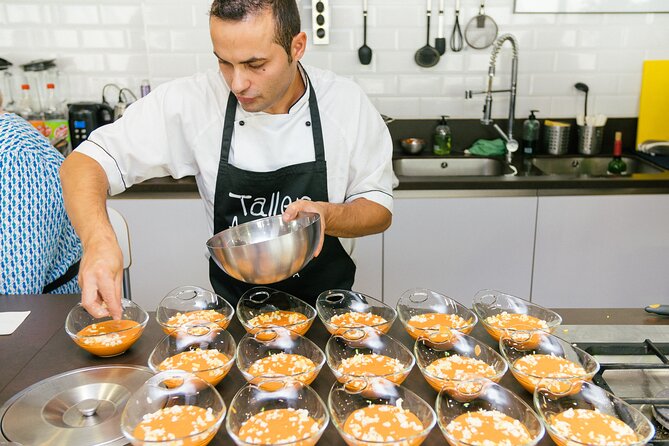
The first dish is salmorejo, a chilled tomato cream traditionally associated with Córdoba. It is thicker and more filling than many versions of gazpacho, and it shows how Andalusian cooks turn a short list of basic ingredients into a smooth, satisfying starter.
The class gives you a chance to work with the ingredients and learn the method instead of simply receiving a bowl at lunch. You may also hear how the dish connects to southern Spanish eating habits, where cool tomato-based foods are especially useful during hot weather.
Some classes prepare ingredients in advance, but you still take part in most of the work. That balance keeps the class moving while leaving you with enough hands-on practice to repeat the recipe at home.
If you have tried salmorejo before and were not impressed, this is a useful second chance. The final taste depends heavily on tomato quality, seasoning, texture, and balance, and the chef can point out where those choices matter.
Making spinach with chickpeas, a Sevillian tapa
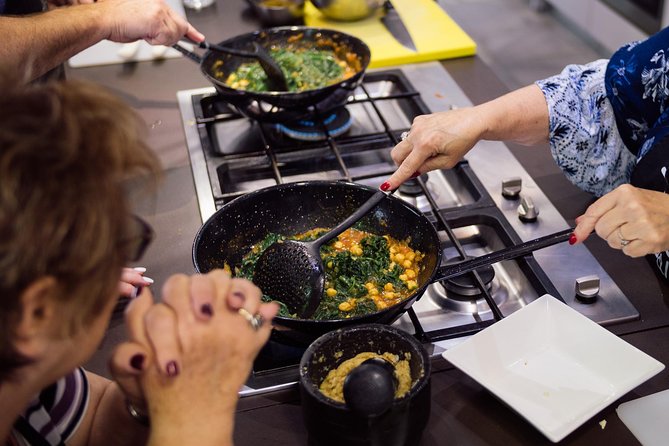
The second savory dish is spinach with chickpeas, a traditional Sevillian tapa. It is a good example of the class’s regional focus because it uses familiar, inexpensive ingredients in a dish with plenty of character.
This course also gives you a break from the idea that Spanish food is mainly cured meat, seafood, or paella. The chickpeas provide substance, while the spinach and seasonings create a dish that works well as a small plate or part of a larger meal.
You do not need advanced cooking skills. The instructors explain each stage, demonstrate preparation techniques, and then let you carry out the work. One class included lessons on breaking down a whole chicken and preparing an artichoke, so the exact tasks can be more substantial than stirring a pot.
I especially like this dish for home cooks. It does not require unusual equipment, and it gives you a practical way to bring an Andalusian flavor to your own kitchen without trying to recreate an entire restaurant meal.
More Seville Food Tours:
- Sevilla Food Tour: Tapas, Wine, History & Traditions
★ 5.0 · 3,468 reviews - The Seville Tapas Crawl Tour by Food Lover Tour
★ 5.0 · 1,213 reviews - Seville Ultimate Food Tour
★ 5.0 · 898 reviews - Seville Food Tour: Vermut, Churros & 10+ Tasty Local Dishes
★ 5.0 · 420 reviews
Cooking paella with the chef’s guidance
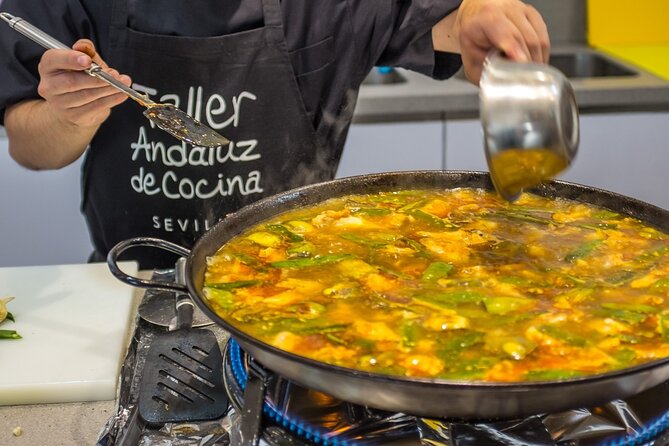
Paella is the main event for many people. The listed menu uses chicken and vegetables in a Valencian-style paella, while dietary adjustments can produce a vegetarian version. Families have also prepared chicken and vegetarian portions within the same class.
The chef explains the cooking process and the traditions behind the dish. You may learn about preparation and timing, how to handle the ingredients, and how to build the final flavor. The key value is that you participate in the work, while the chef keeps the group coordinated.
This is a group class, not a private paella lesson. You will share tasks and workspace, and the precise amount of individual cooking time can depend on class size. Still, a maximum of 16 people gives the session enough room for questions and participation.
Chef Dom, David, Diana, Carlo, and other instructors have been praised for keeping the mood easy and encouraging. Their style appears to be informal rather than strict. That suits beginners and solo participants, especially if you would rather meet people over a shared meal than attend a formal demonstration.
The paella is also where the market tour pays off. You have already seen the ingredients, heard about Spanish food traditions, and then used those products in a dish associated with the country. The meal feels tied to Seville rather than copied from a generic cooking-school menu.
Sitting down to the lunch you prepared
After the cooking, you eat the dishes as a three-course lunch. The menu includes salmorejo, spinach with chickpeas, paella, and a light dessert of lemon sorbet with cava.
The structure is slightly more generous than the simple three-course label suggests because the paella follows two earlier dishes and the dessert closes the meal. You are not just tasting small samples. You eat what the group has prepared.
Homemade sangria is served during the class, and lunch includes up to two drinks per person. You can choose Spanish wine, local beer, or soft drinks. The combination makes the meal feel social, but it also means the experience is not ideal if you want a quiet, alcohol-free workshop. Soft drinks are available, and dietary needs can be handled if arranged ahead of time.
The shared table is part of the appeal. You may be cooking with people from several countries, and solo participants can fit into the group without needing to organize a private booking. Families have also used the class successfully, including children aged three and six who stayed engaged through the session.
Dietary changes and cooking comfort
The operator says it can accommodate vegan, gluten-free, seafood-free, and pork-free diets. You should provide those details in advance, since the menu and ingredient preparation may need to change.
This flexibility is useful, but it does not mean every version of the meal will be identical. A vegetarian paella, for example, will differ from the chicken version. If a particular dish matters to you, ask about the planned substitution before booking.
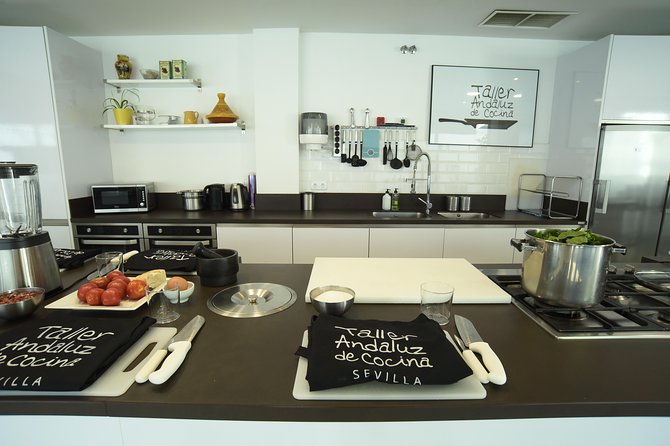
The equipment is supplied, including aprons, chopping boards, knives, and kitchen utensils. You do not need to bring cooking tools or ingredients.
The class is designed for people with different skill levels. You can attend as a complete beginner, and the informal approach keeps the focus on learning and enjoying lunch. If you are an experienced home cook, you may find the most value in the market explanations, local methods, and regional context rather than advanced technique.
What the $90.70 price includes
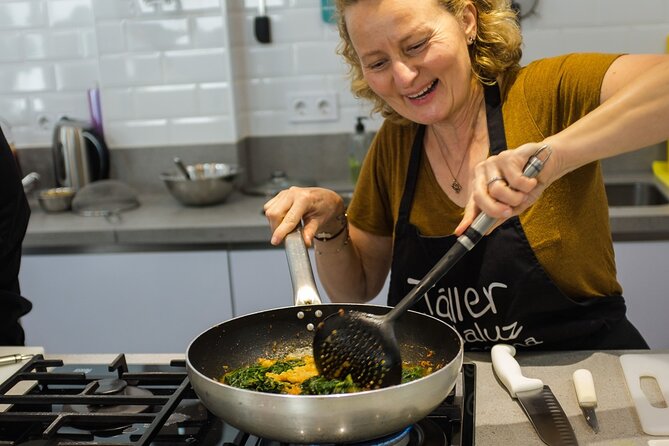
At $90.70 per person, this is not the cheapest way to eat lunch in Seville. It is also more than the price of a market visit or a single restaurant meal.
The value comes from combining several parts: a guided food-market walk, roughly three and a half hours of instruction, all ingredients, kitchen equipment, a full meal, homemade sangria, two additional drinks, and recipes to take home. You are paying for an activity as well as food.
I would consider it good value if you want one organized experience that combines local food, practical cooking, and meeting other people. It is less attractive if your main goal is simply to eat paella cheaply, or if you already have a packed schedule of morning sightseeing.
The recipes add lasting value. You can prepare the dishes again at home, and the written tips help bridge the gap between enjoying the meal in Seville and remembering what you actually did.
Timing, group size, and cancellation terms
Plan on about three and a half hours, beginning at 10:30 a.m. The session may run a little longer, sometimes until around 2:30 p.m., so leave room in your afternoon plans.
Because the activity requires a minimum number of participants, the operator may cancel if that number is not reached. In that case, you are offered another date or experience, or a full refund.
You can cancel for a full refund up to 24 hours before the local start time. Changes or cancellations made less than 24 hours ahead are not accepted for a refund.
The experience is offered in English and uses a mobile ticket. Confirmation is provided when you book.
Who should book this Seville cooking class?
I would choose this for first-time visitors who want food to explain the city. It suits couples, families, solo participants, and friends who enjoy working together more than sitting through a standard sightseeing tour.
It is also a good match for anyone who wants to learn dishes that can be repeated at home. Salmorejo and spinach with chickpeas are practical additions to a home menu, while paella gives you a more ambitious project.
You may want to skip it if you dislike group activities, have only a short morning available, or prefer to choose every dish from a restaurant menu. The class has a social, shared-work atmosphere, and the final dishes depend partly on the group’s pace and participation.
Should you book the Triana Market cooking class?
Yes, if you want a hands-on morning that connects Seville’s market food with its cooking traditions. The strongest parts are the market walk, the chance to prepare real dishes, the friendly teaching style, and the meal you eat afterward.
Book early if your dates are fixed, since the activity is often reserved well ahead of time. Before confirming, give the operator any dietary restrictions and allow extra time to find stalls 75 and 77 inside Triana Market.
For the right person, this is more than lunch. It is a useful, social lesson in how Andalusian ingredients become the food on your plate, with recipes that can follow you home.
FAQ
Where does the Spanish cooking class begin?
It begins inside Triana Food Market at Taller Andaluz de Cocina, Mercado de Abastos de Triana, Plaza del Altozano, stalls 75 and 77, Seville.
What time does the activity start?
The class starts at 10:30 a.m.
How long does the cooking class and market tour last?
The experience lasts approximately three hours and 30 minutes. Some sessions may continue until about 2:30 p.m.
What food will I prepare?
The sample menu includes salmorejo, spinach with chickpeas, chicken and vegetable paella, and lemon sorbet with cava.
Are drinks included?
Yes. Homemade sangria is served during the class, and lunch includes up to two drinks per person. Choices include Spanish wine, local beer, or soft drinks.
Can dietary restrictions be accommodated?
Yes. Vegan, gluten-free, seafood-free, and pork-free menus can be accommodated when requested in advance.
More Workshops in Seville
- Seville: Flamenco Dance Class with Optional Costume
★ 4.9 · 1,032 reviews - Seville: Paddle Surf Route and Class
★ 5.0 · 346 reviews - Sevilla: Rooftop Paella Cooking Class & 30-minute expert Q&A
★ 5.0 · 198 reviews - Flamenco Dance Class in Seville with optional Flamenco Costume
★ 5.0 · 191 reviews
More Triana Tours
- Seville: Live Flamenco Show at “Teatro Flamenco Triana”
★ 4.6 · 3,290 reviews - Seville: Baraka Sala Flamenca Show with Drink in Triana
★ 4.8 · 1,761 reviews - Flamenco Show Tickets to the Triana Flamenco Theater
★ 4.5 · 599 reviews - Baraka Triana. Flamenco show with drink
★ 5.0 · 497 reviews
Just added around Seville
- The Villages of Andalusia: Full-Day Trip from Seville★ 4.8 · 19 reviews
- From Seville: White Villages Tour★ 5.0 · 9 reviews
- White Villages & Ronda 2-Days Trip & Overnight Stay★ 4.6 · 5 reviews
- Your Photo Story in Seville★ 5.0 · 16 reviews
- Triana Market Tapas Tour★ 4.9 · 12 reviews
- Seville: Guided visit of the Casa de Pilatos with entrance tickets★ 4.3 · 18 reviews
- From Seville: Wine Tourism Half Day Tour★ 4.0 · 17 reviews
- Wine tourism, visit to a traditional winery and wine tasting★ 5.0 · 3 reviews
Seville Food Tours, compared.
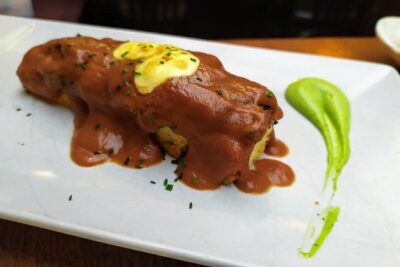
Sevilla Food Tour: Tapas, Wine, History & Traditions
Read our review →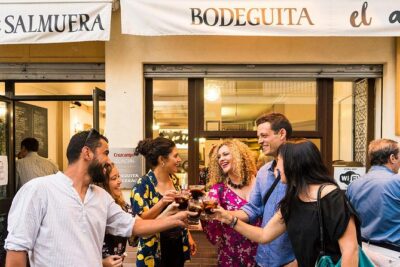
The Seville Tapas Crawl Tour by Food Lover Tour
Read our review →
3.5-Hour Spanish Cooking Class & Triana Market Tour
Read our review →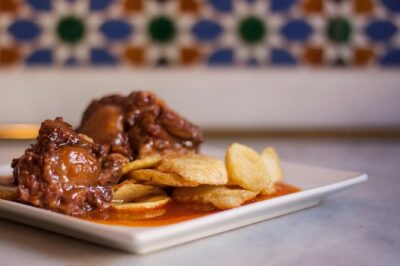
Seville Food Tour: Vermut, Churros & 10+ Tasty Local Dishes
Read our review →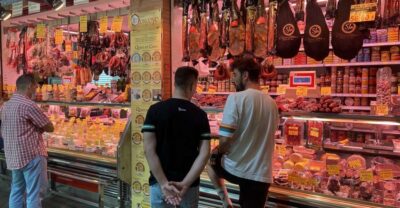
Flavors of Andalucía Guided Food Tour with Tastings
Read our review →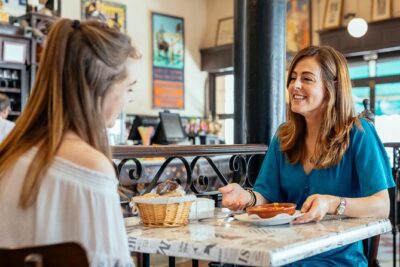
The Award-Winning Private Food Tour of Seville: 6 or 10 Tastings
Read our review →
Seville Food Tour: Tapas, Drinks and Delights with a Local
Read our review →Browse the lists this tour appears in